Four complete installation series available for museum and institutional acquisition. Each offered as a complete body of work—no individual pieces sold separately.
These works provide comprehensive frameworks for exhibitions, educational programming, and community engagement around themes of witness, memory, and social justice.
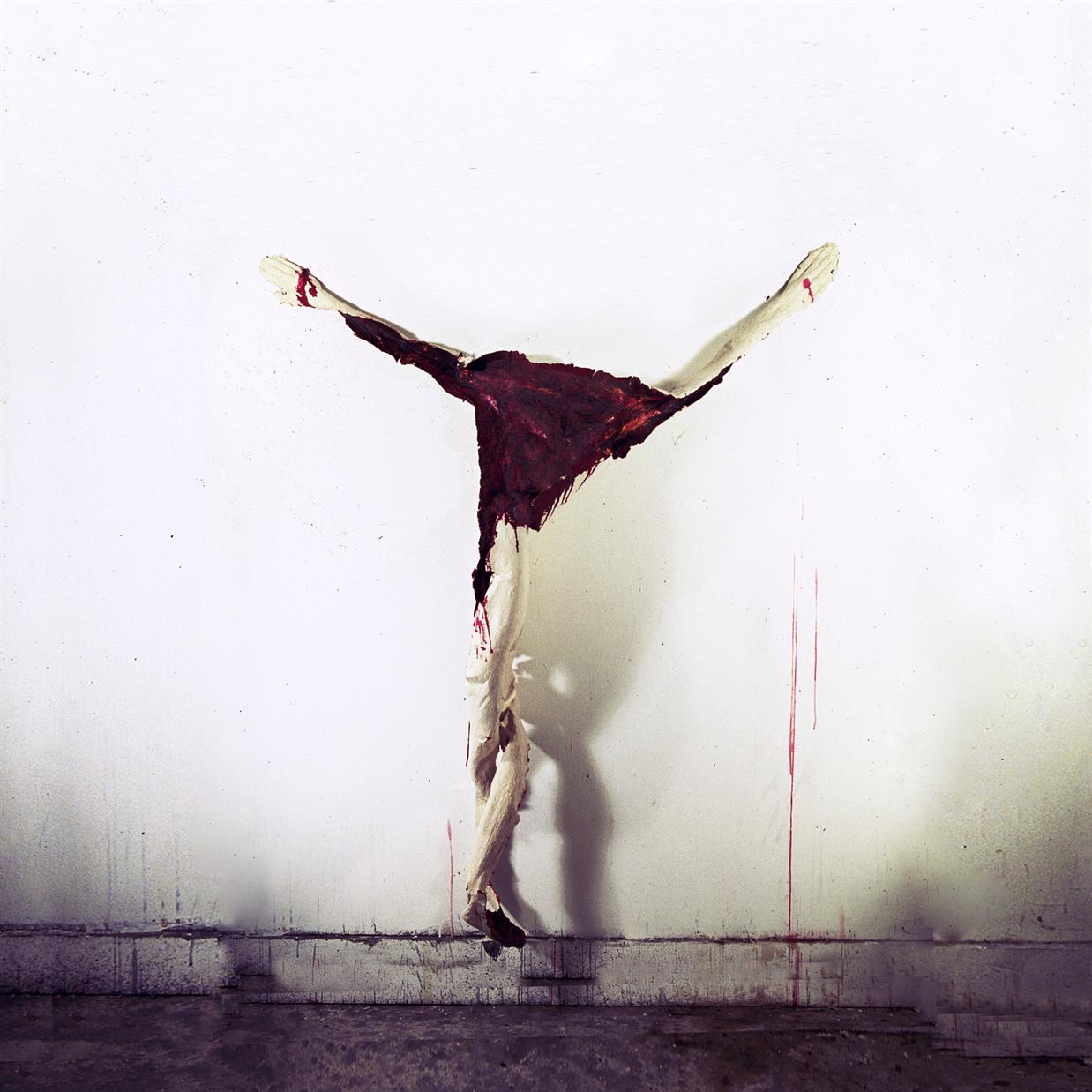
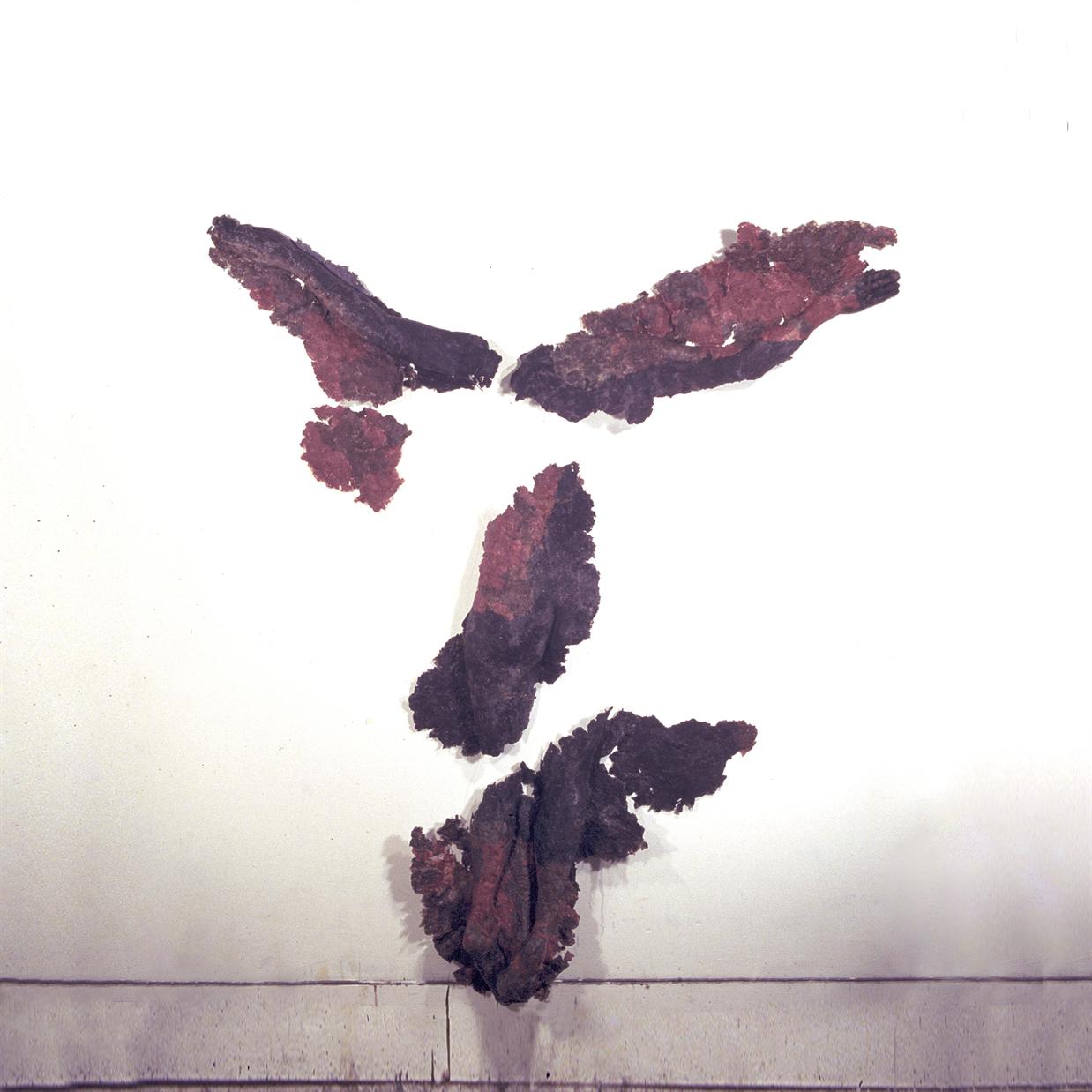
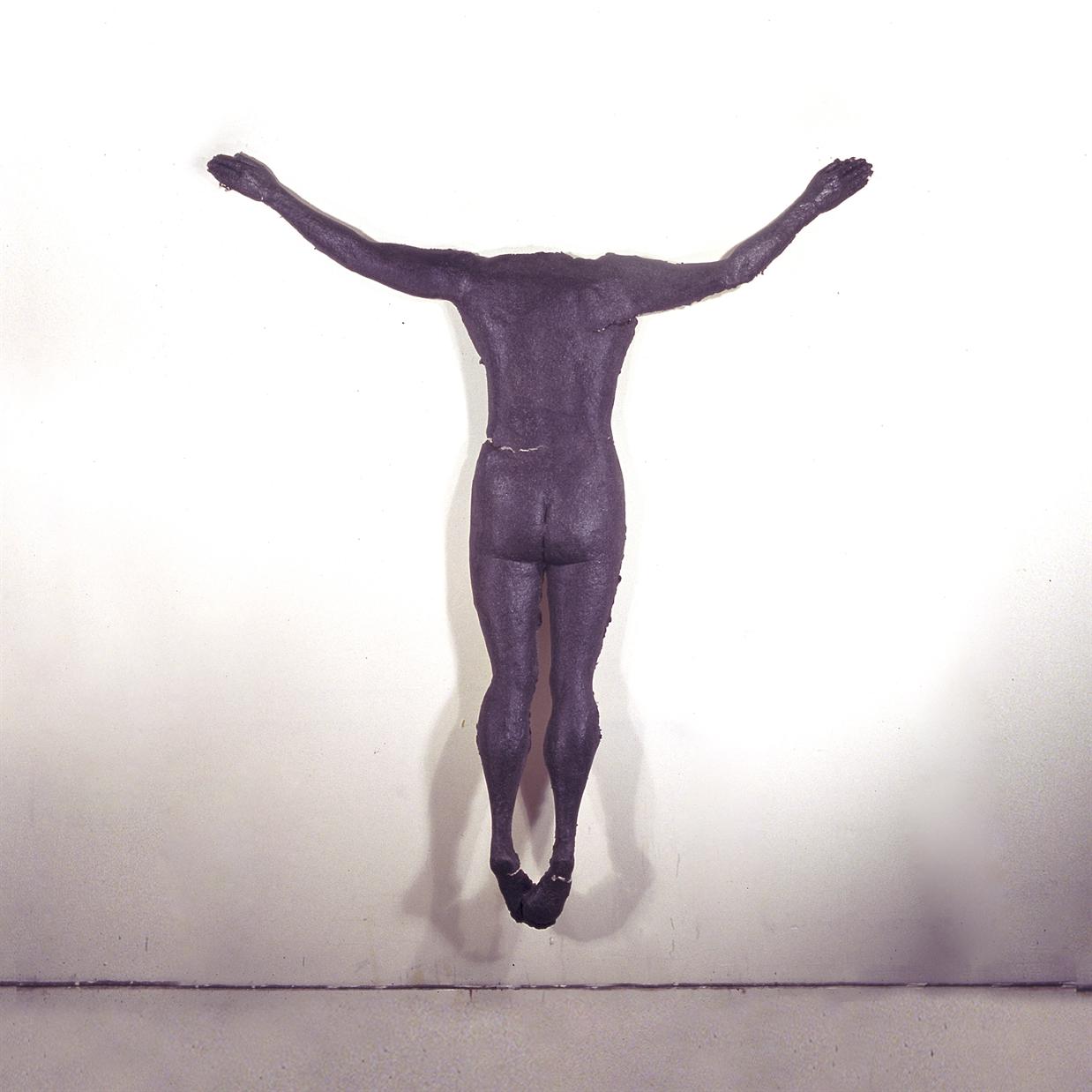
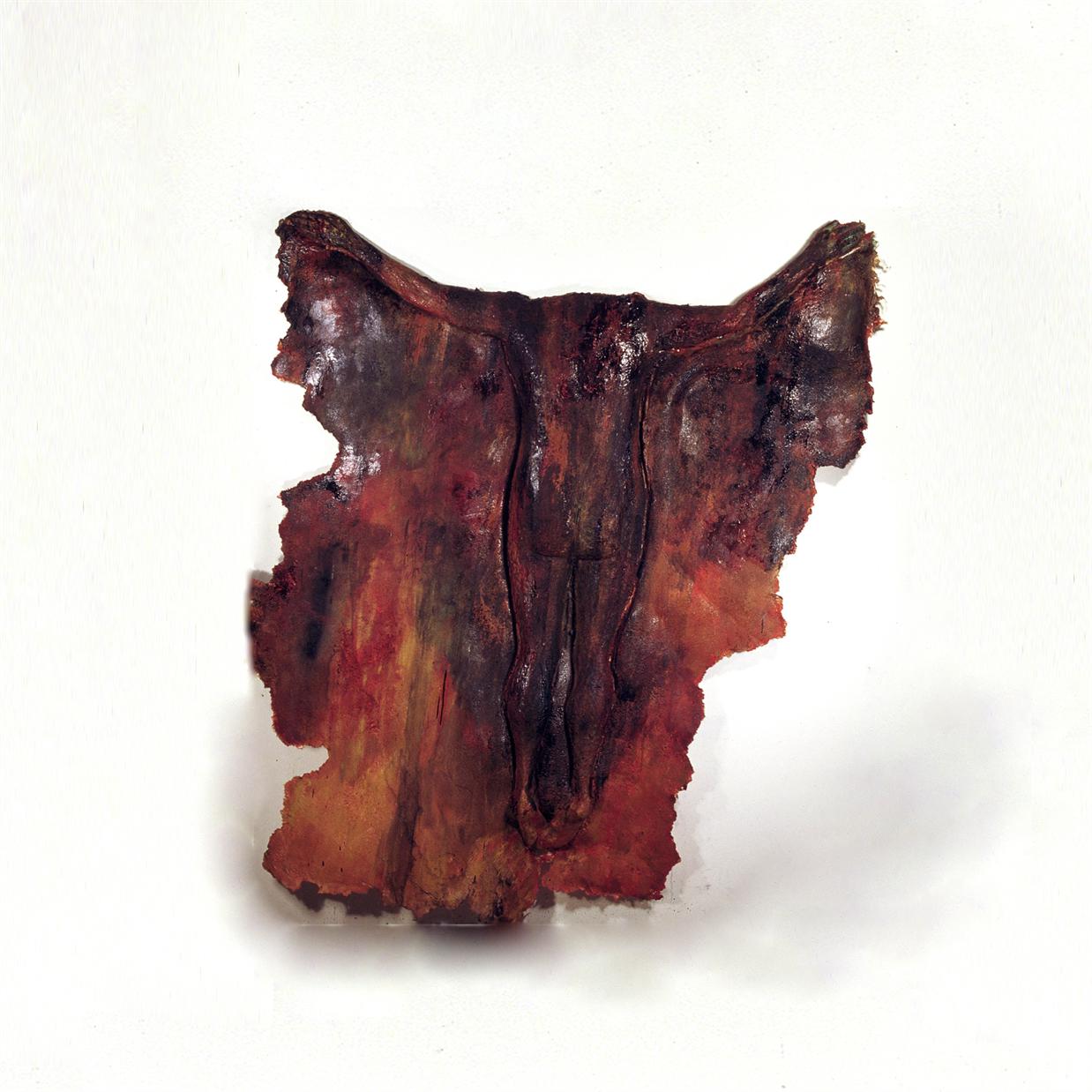
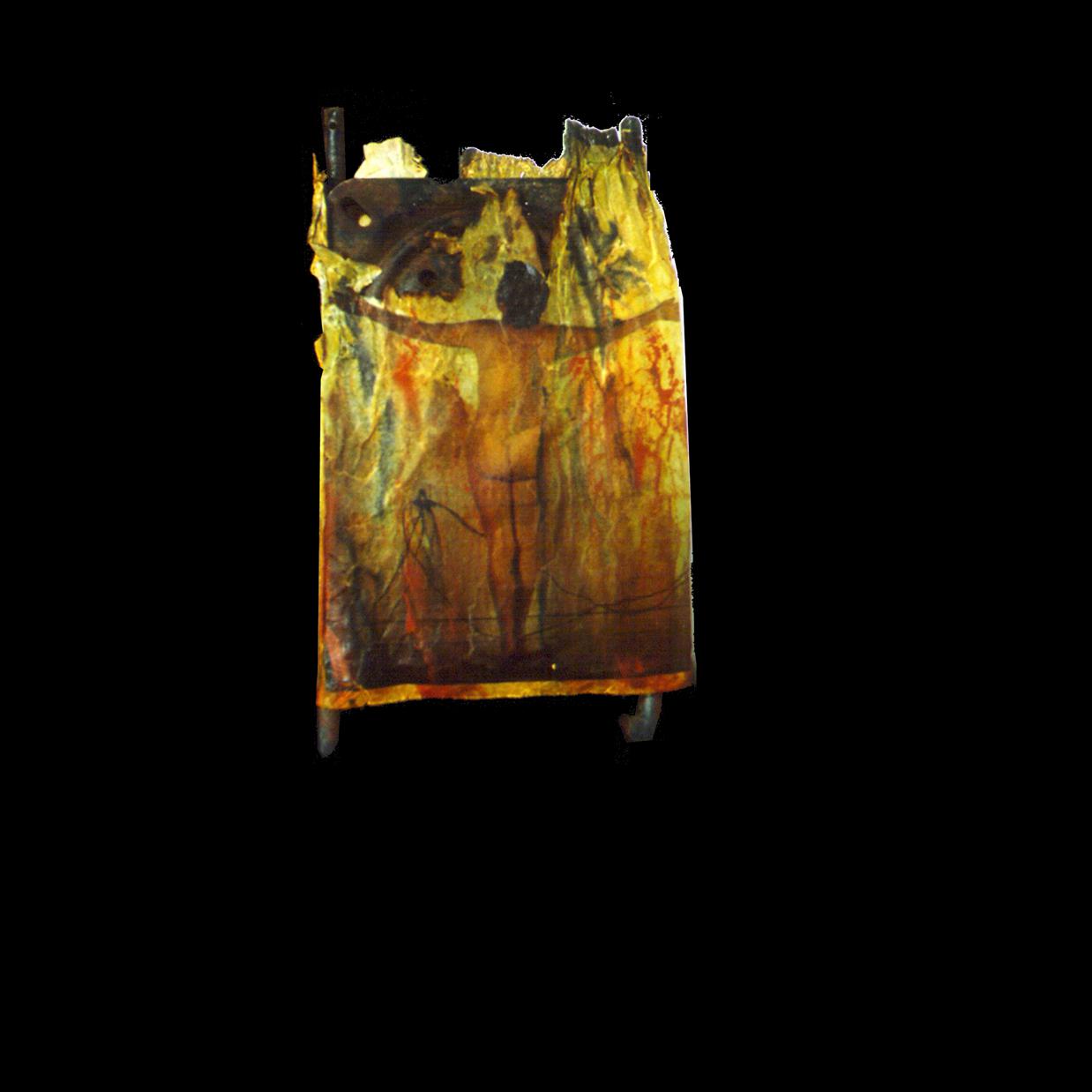
"I used my own body to show empathy and to personalize the experience for the viewer."
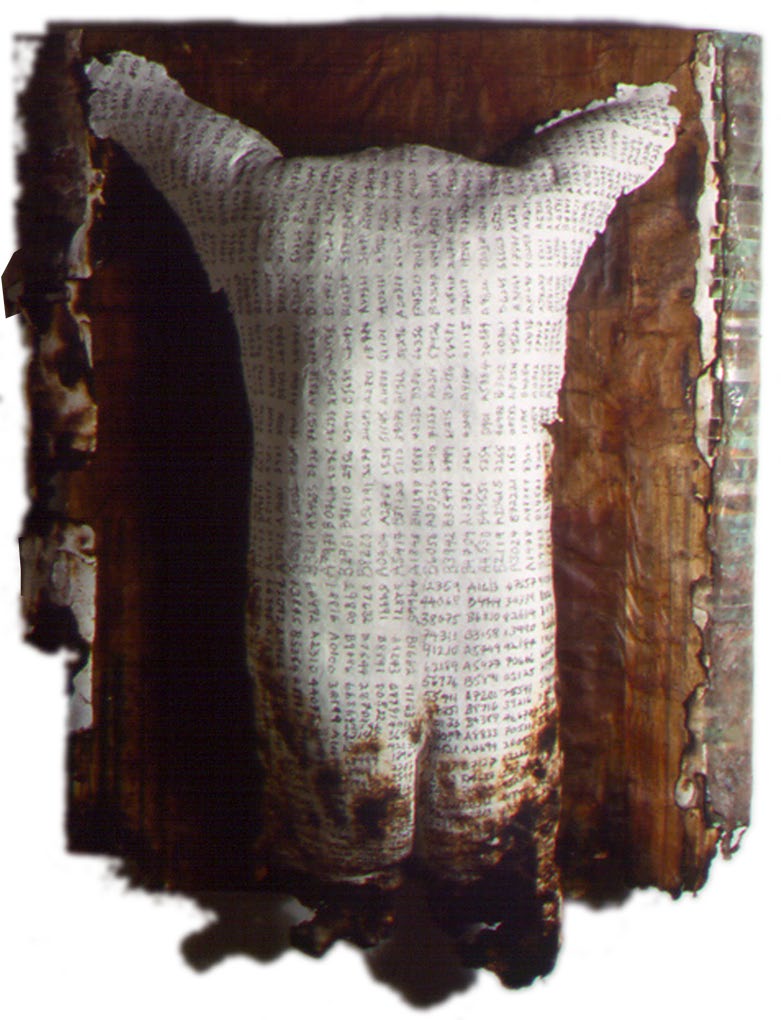
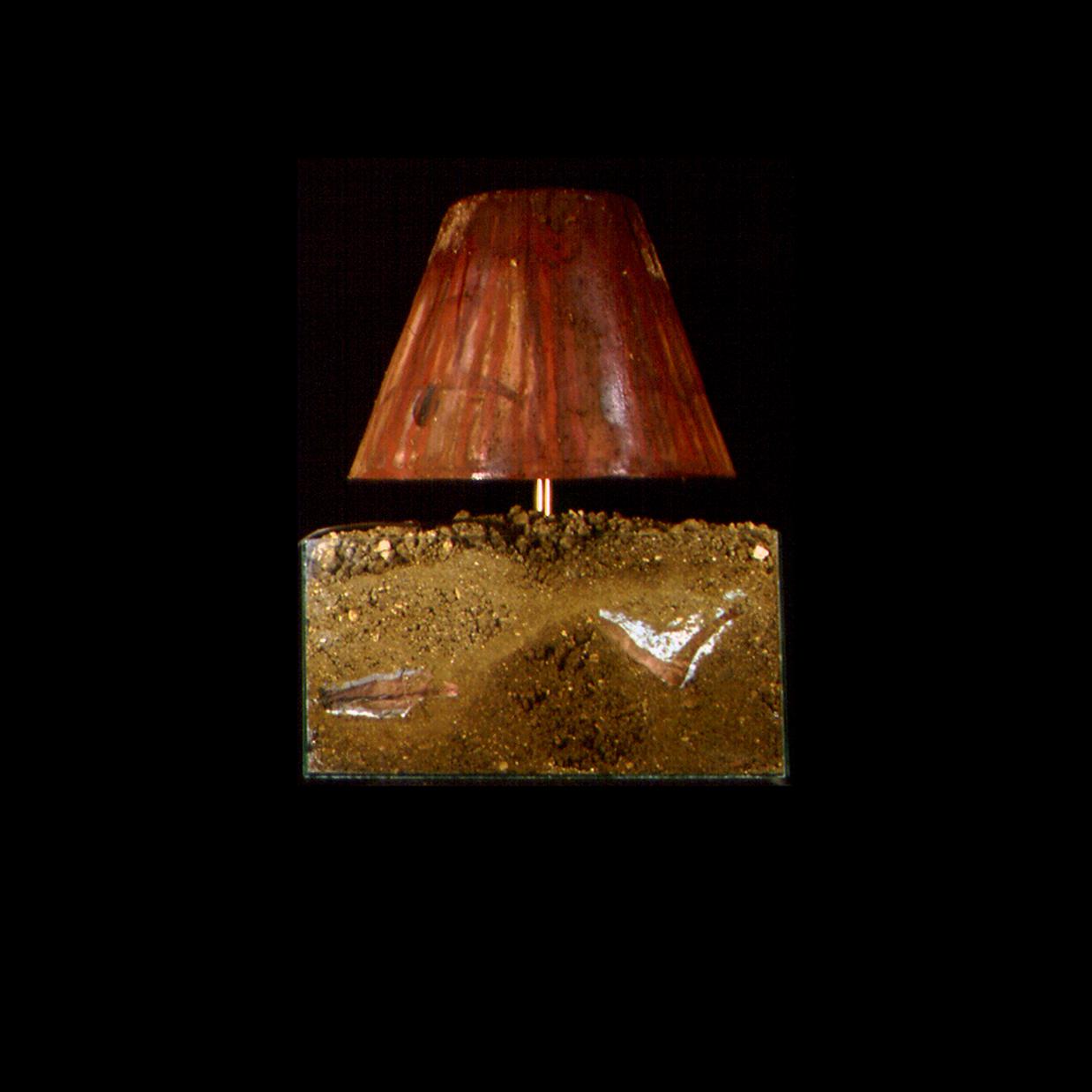
After visiting the Hiroshima Peace Memorial Museum in 1990, I was profoundly moved by the preserved artifacts of the atomic bombing—melted bottles, charred clothing, shadows burned into stone. I realized that to truly honor these victims, I needed to use my own body as the template for the work.
COMPLETE SERIES: 35 individual paper sculptures
MATERIALS: Handmade paper, plaster molds, mixed media
DOCUMENTATION: View Complete Catalog →
EXHIBITION HISTORY: The Hiroshima/Nagasaki Memorial Project toured Japan in 1994-1995, with exhibitions in Hiroshima (October-November 1994), Osaka (November 1994), and Nagasaki (December 1994). The work was also exhibited extensively in California, including Los Angeles, San Francisco, Berkeley, and Hawaii.
PERFORMANCE COLLABORATIONS: Iona Pear Dance Theatre created original choreography in response to the installation, integrating live performance with the sculptural works. These collaborations emphasized the connection between historical trauma and embodied memory.
"There are people who feel it is inappropriate for someone like me, who did not experience the Holocaust first hand, to attempt to depict it. I contend that precisely this kind of effort—to put oneself in the shoes of those who experienced the camps—is necessary to expose human suffering in a powerful way."
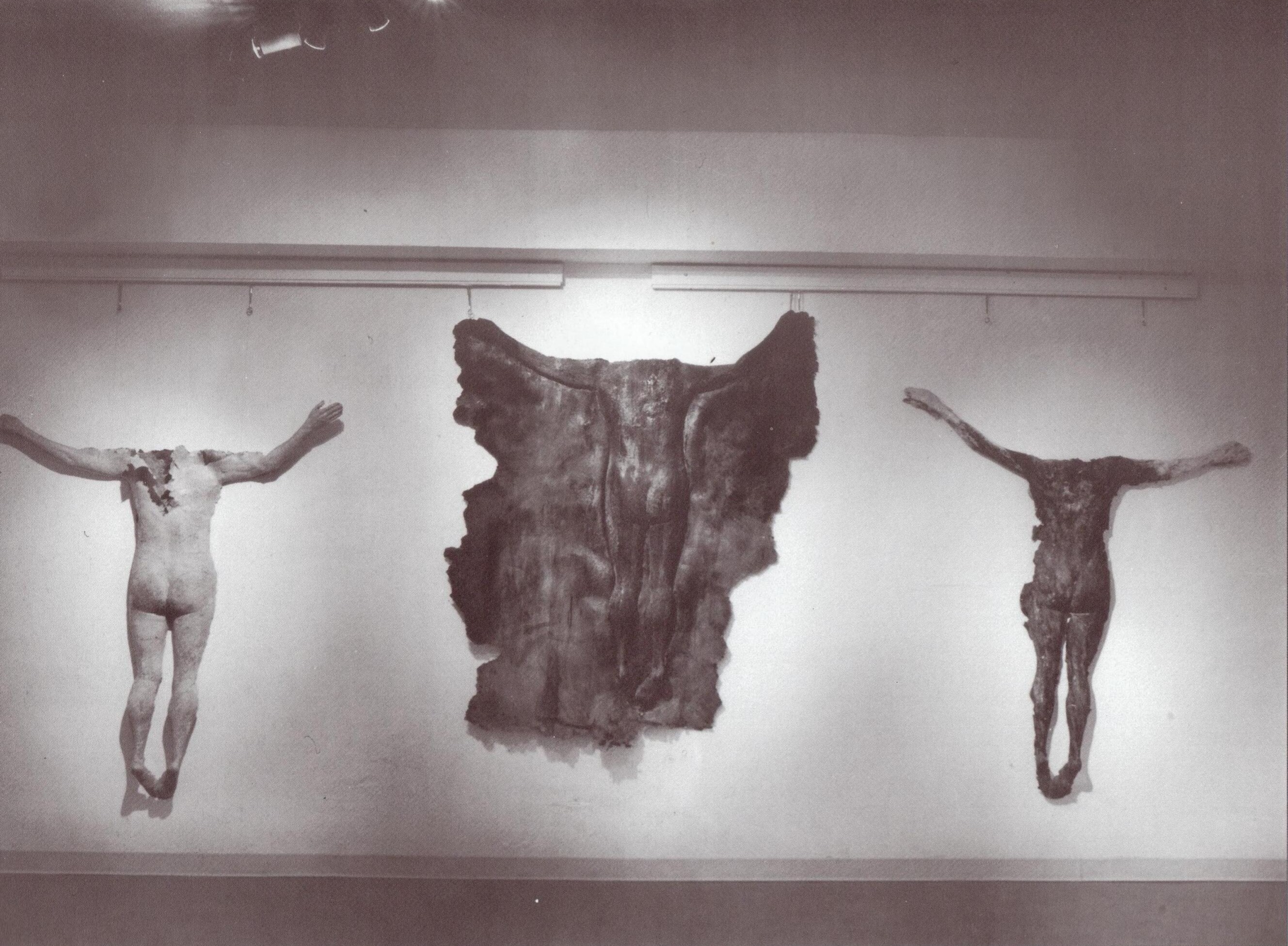
EXHIBITION: LA Artcore Brewery Annex, Los Angeles, 1996
PHOTOGRAPHY: Keith Drosin
COLLECTIONS: Smithsonian Archives of American Art
DOCUMENTATION: View/Download Complete Documentation →
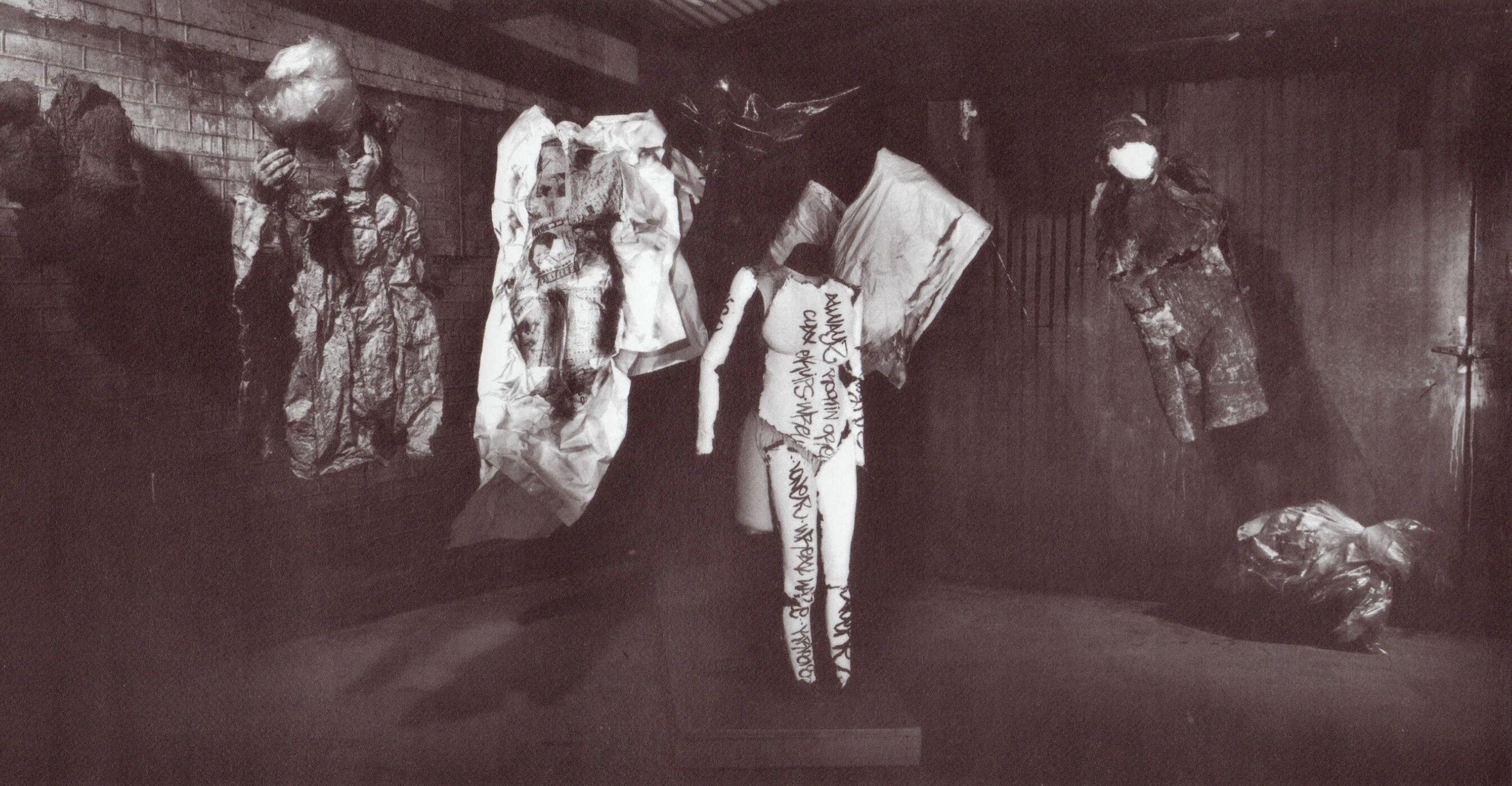
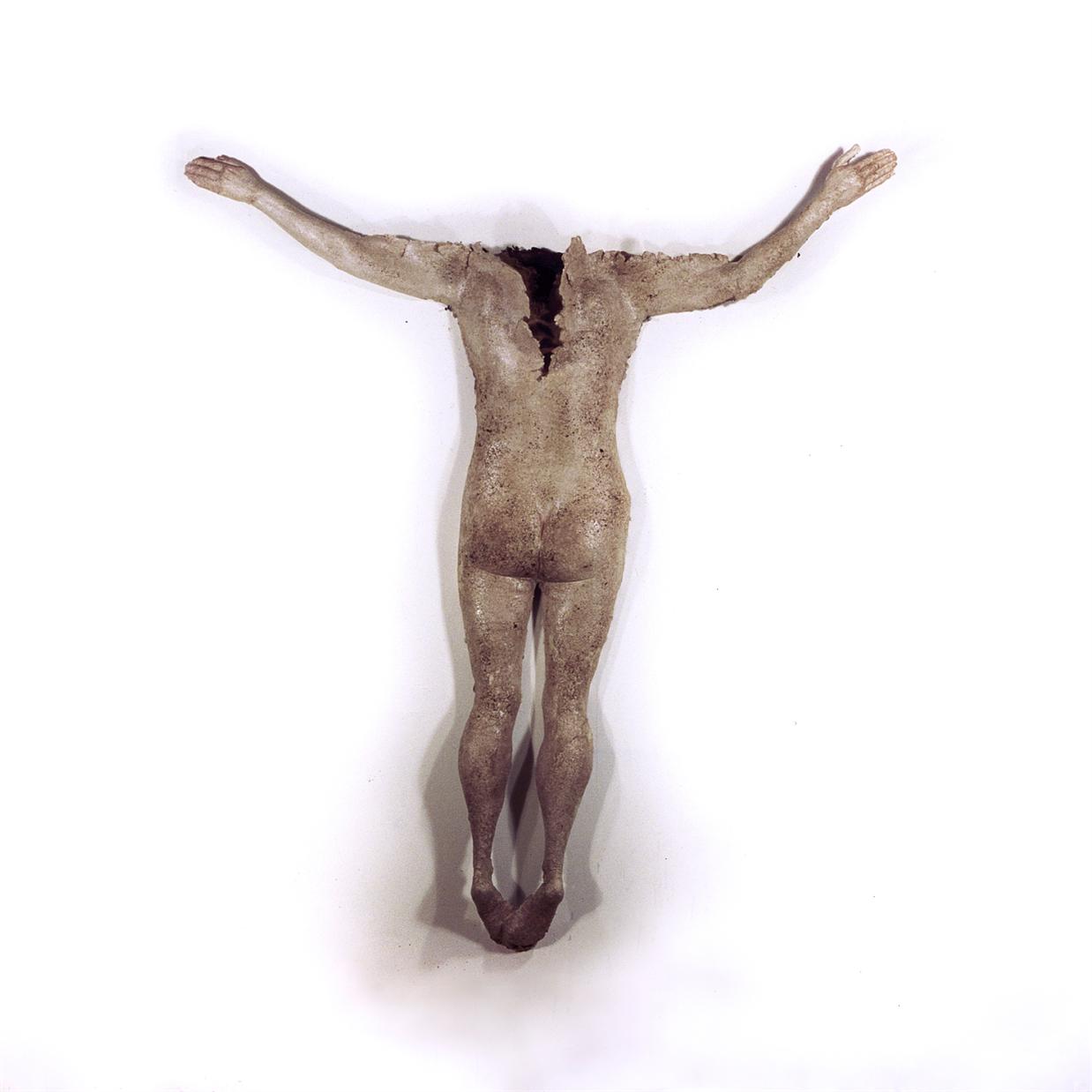
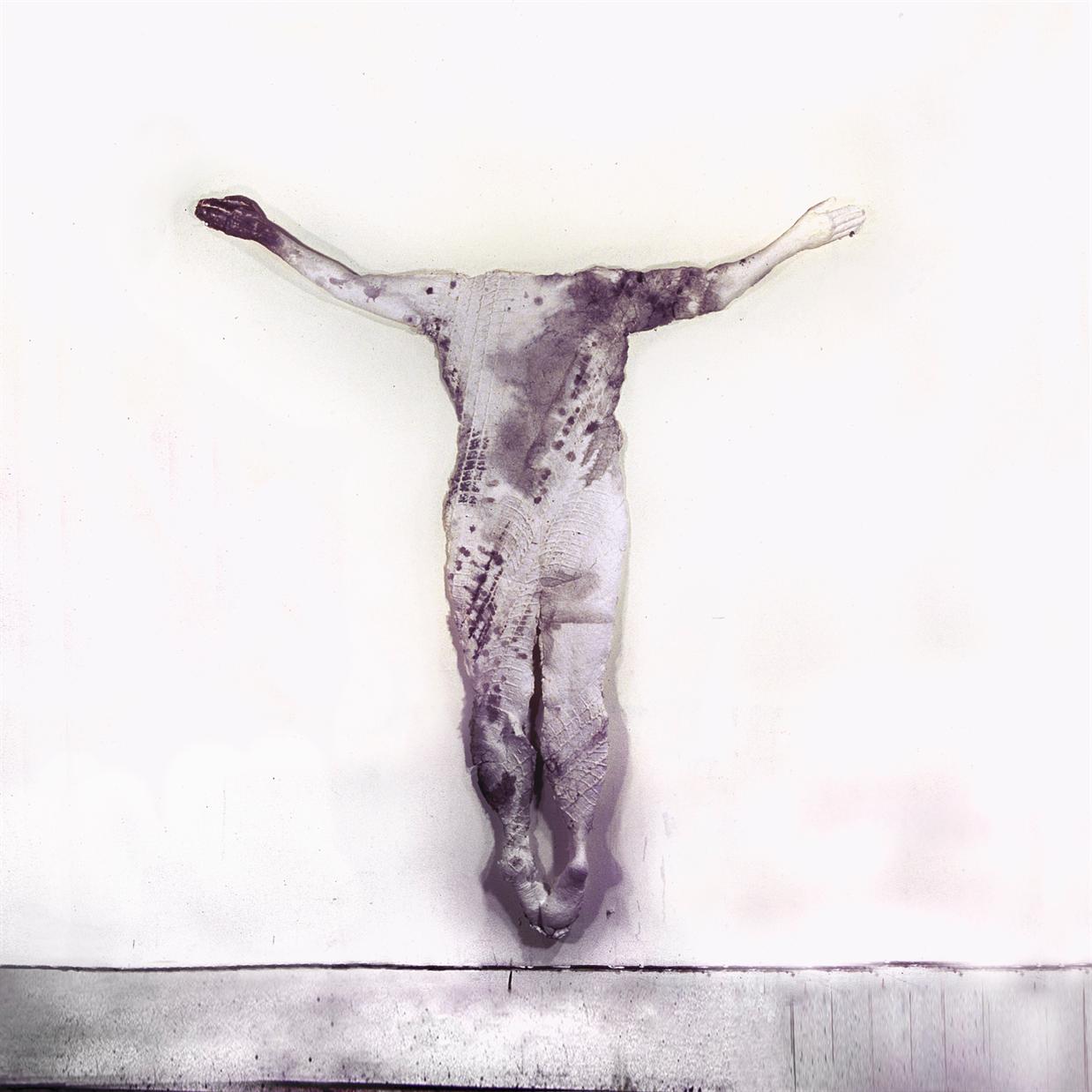
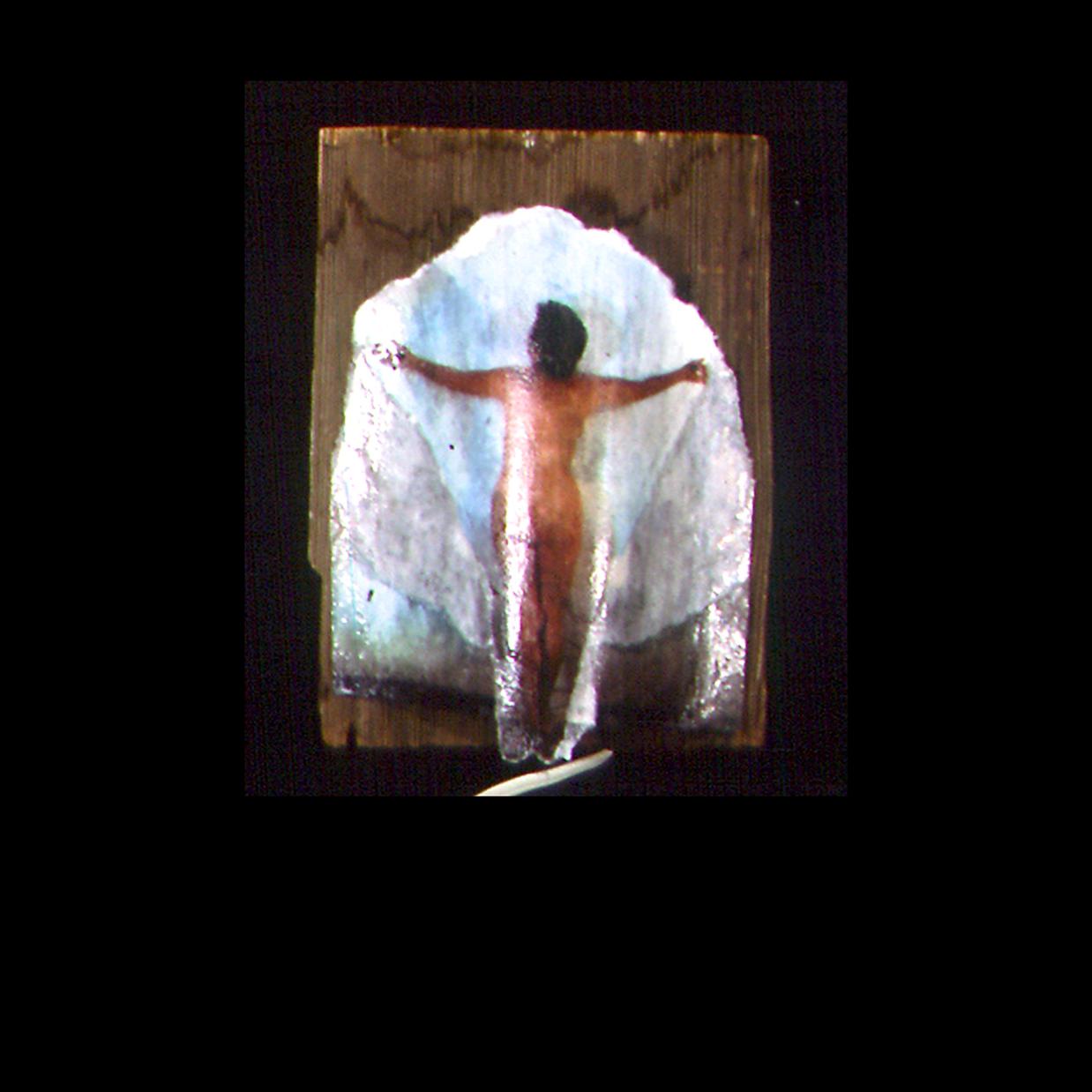
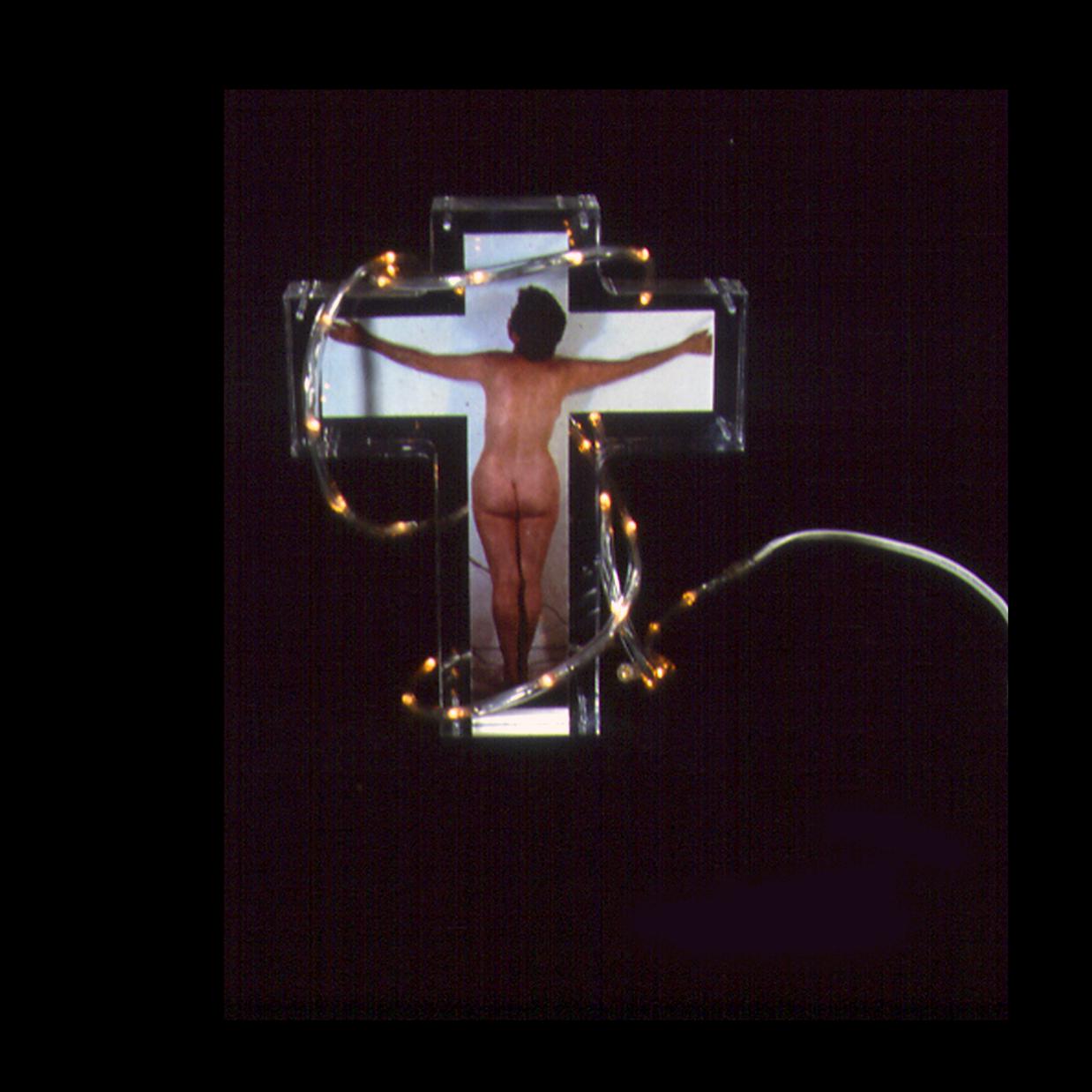
"The figure in flight conjures up a familiar female archetype—an angel—an arbiter between human suffering and transcendence."
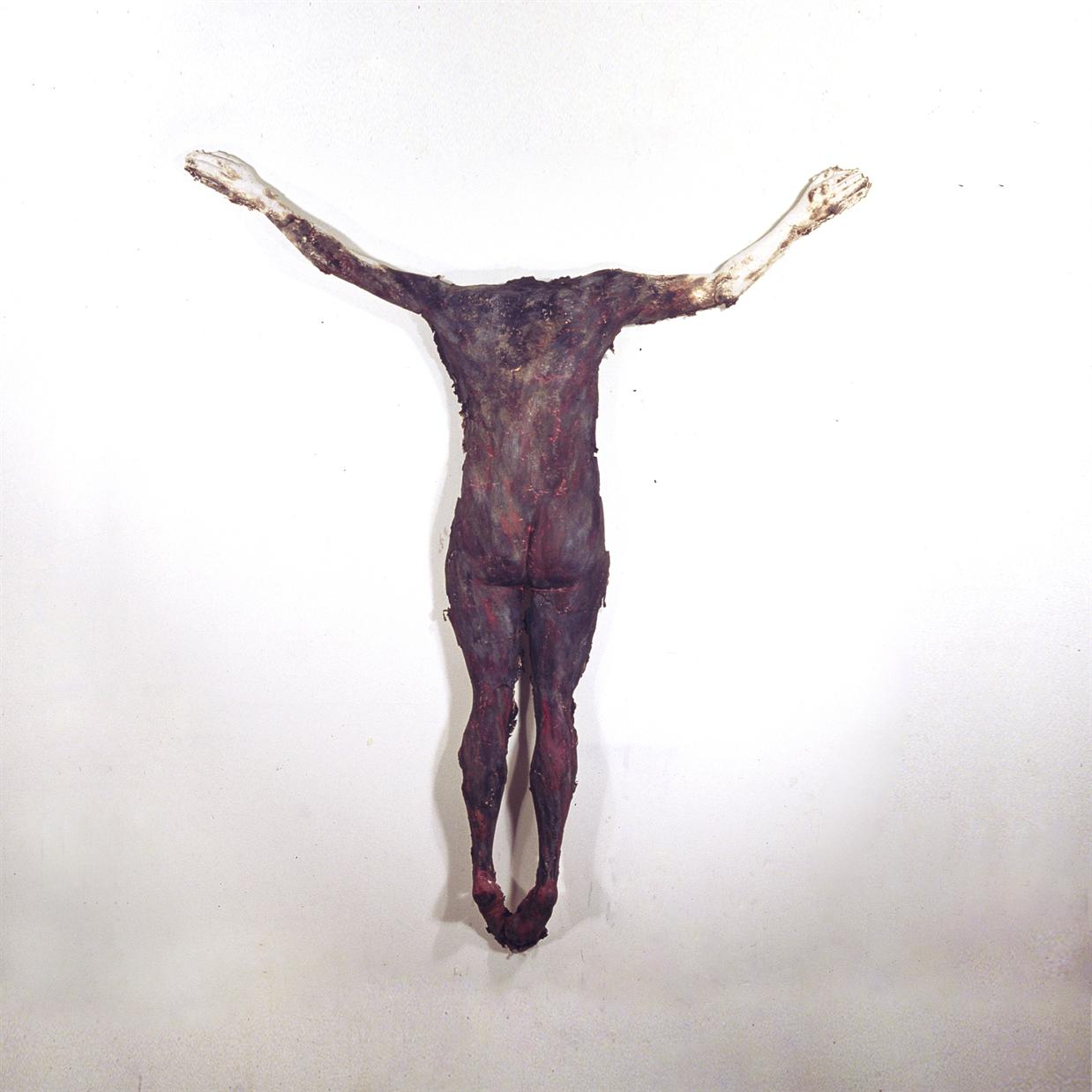
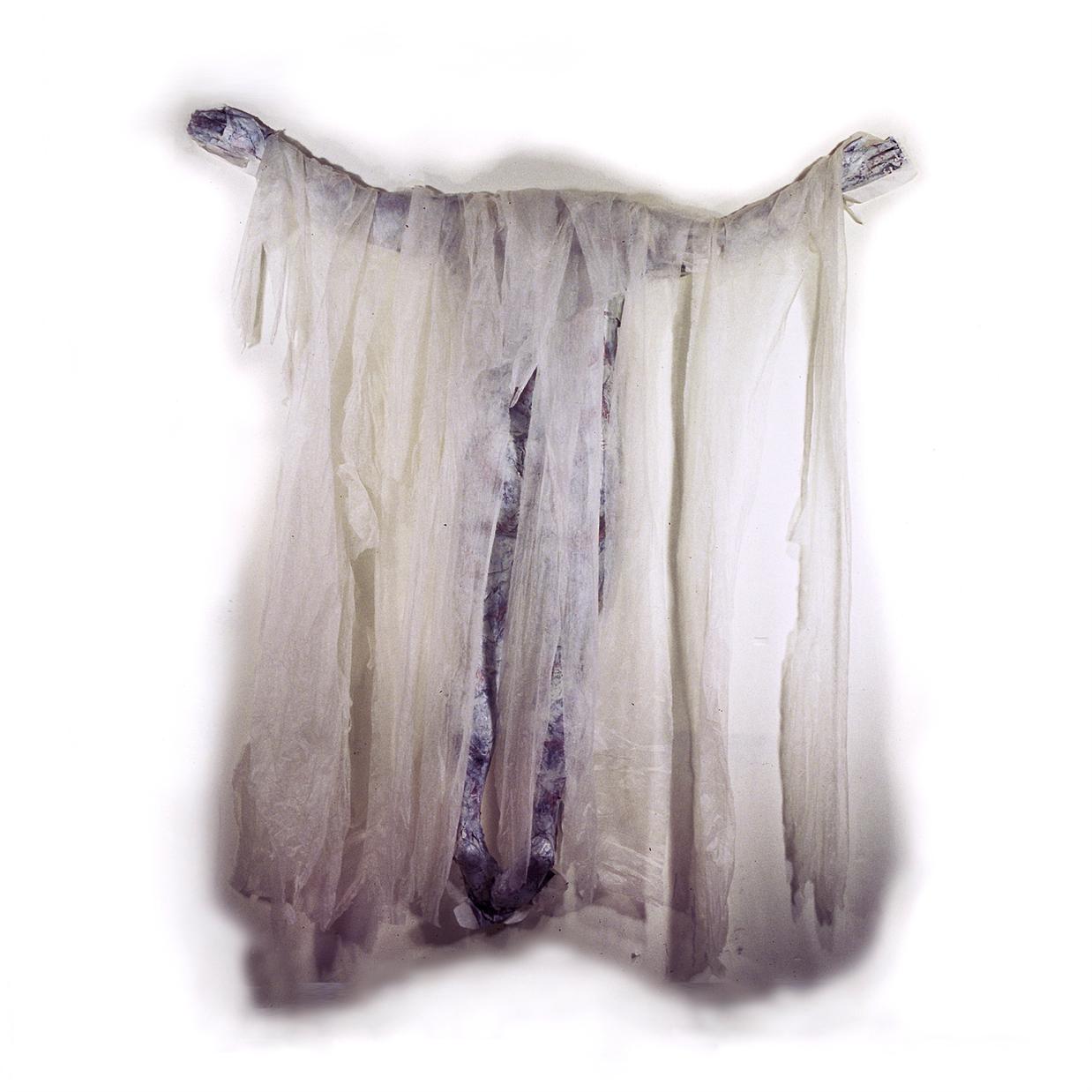
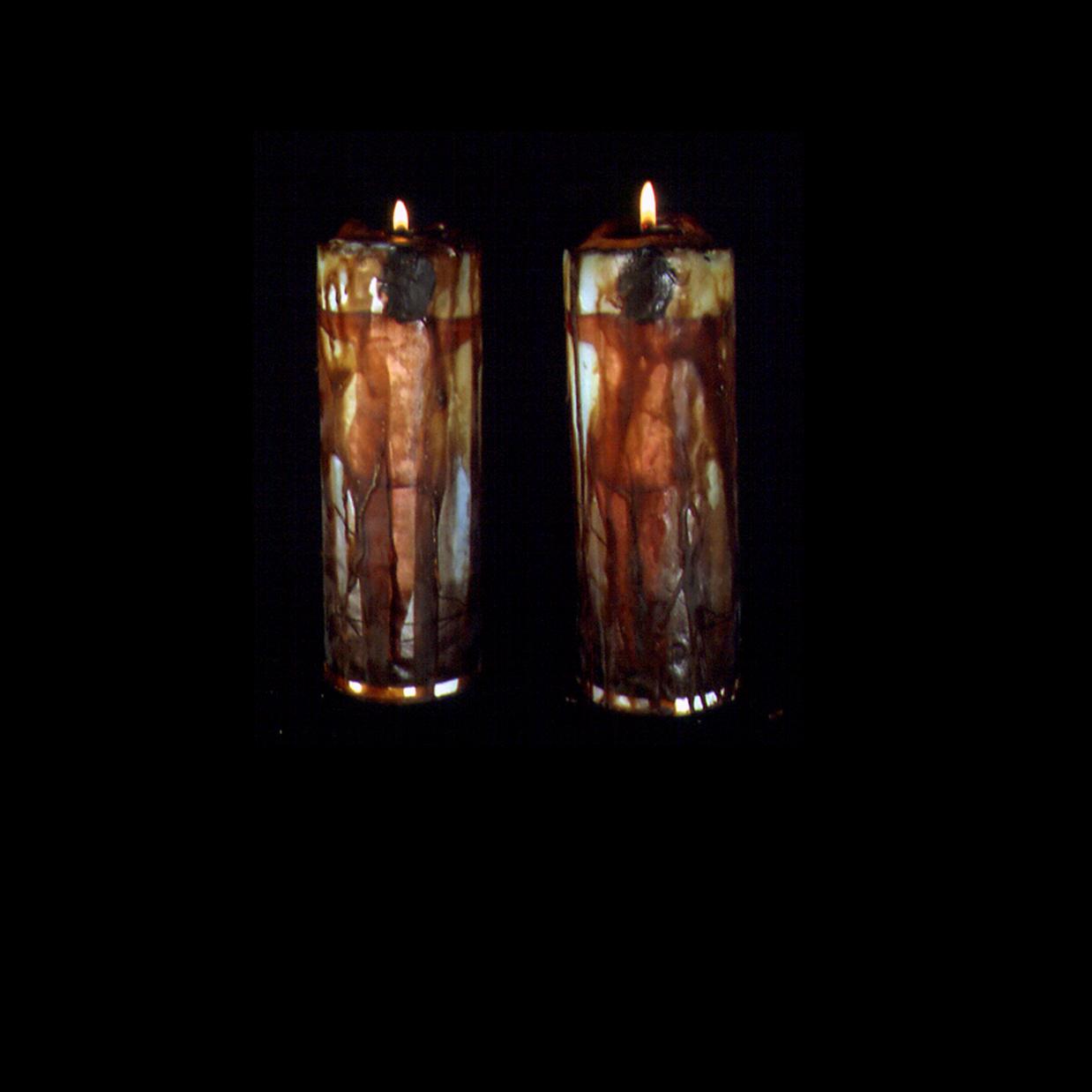
Nine life-size female figures cast in the same mold from my body, each treated with different handmade papers and techniques to recall specific injuries. Though technically these served as the "transcendent" ending to the Hiroshima/Nagasaki Memorial Project, these works have special significance as a separate installation when exhibited in churches and ceremonial spaces.
INSTALLATION: Church at Ocean Park + sacred spaces
DOCUMENTATION: Amazon ISBN: 978-1-7330719-4-9
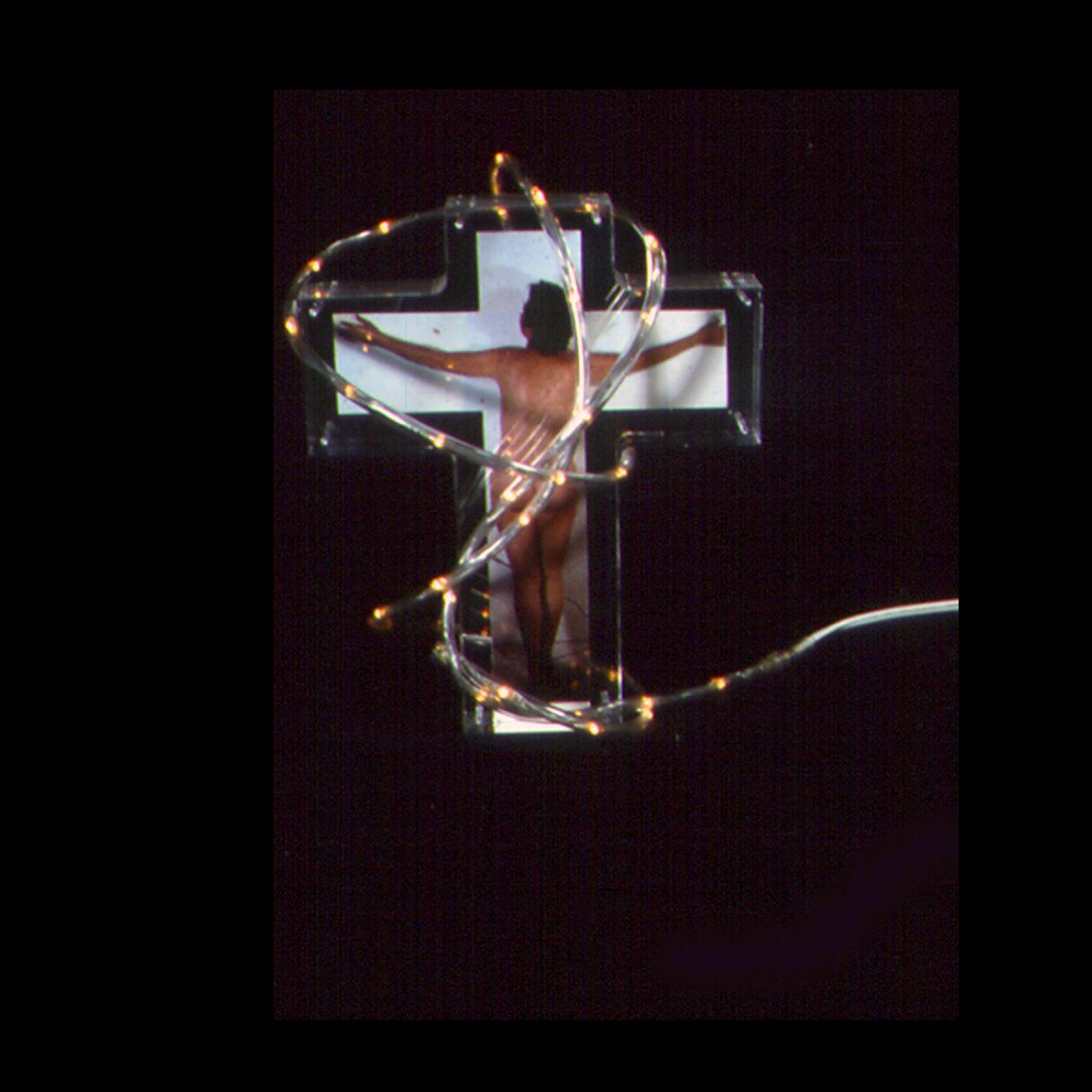
The "Shrine of the Angels" series utilize color photo Xerox printouts of the source image for the Angels, each one incorporating a lighting element and on a scale that can collectively be installed as a shrine.
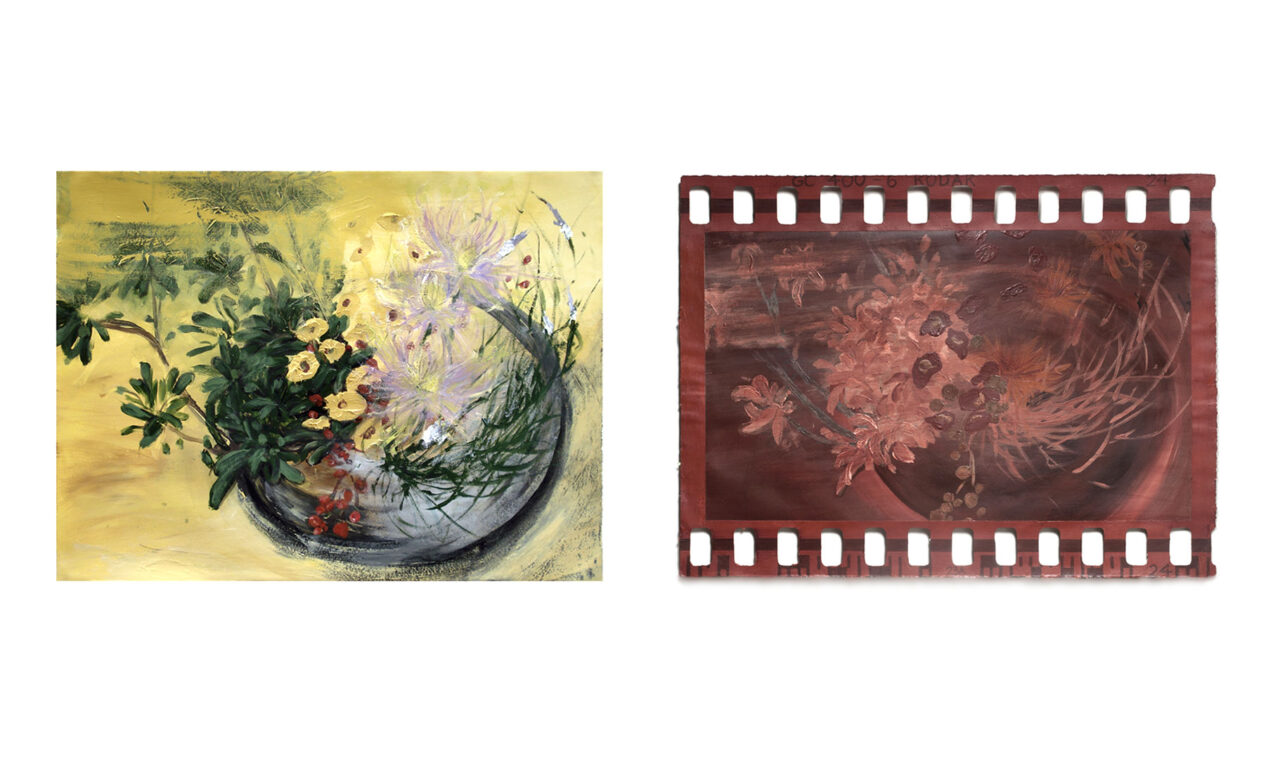
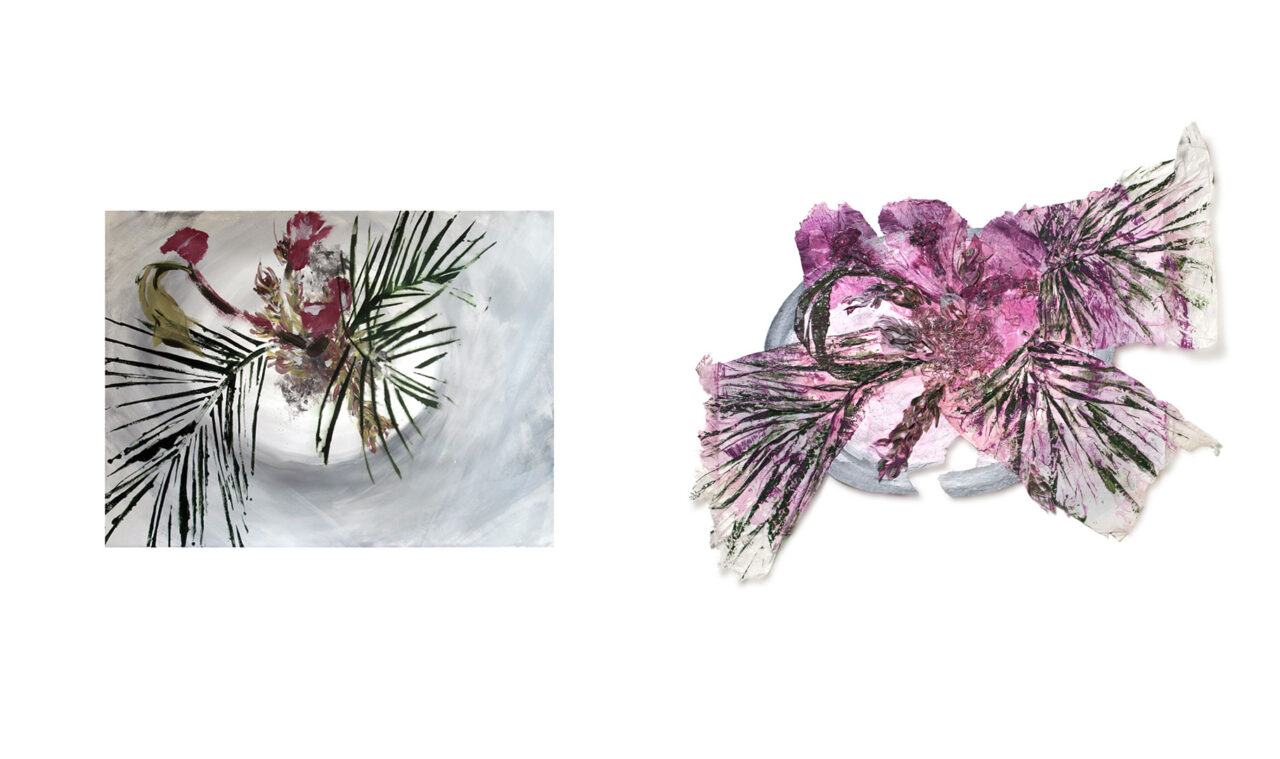
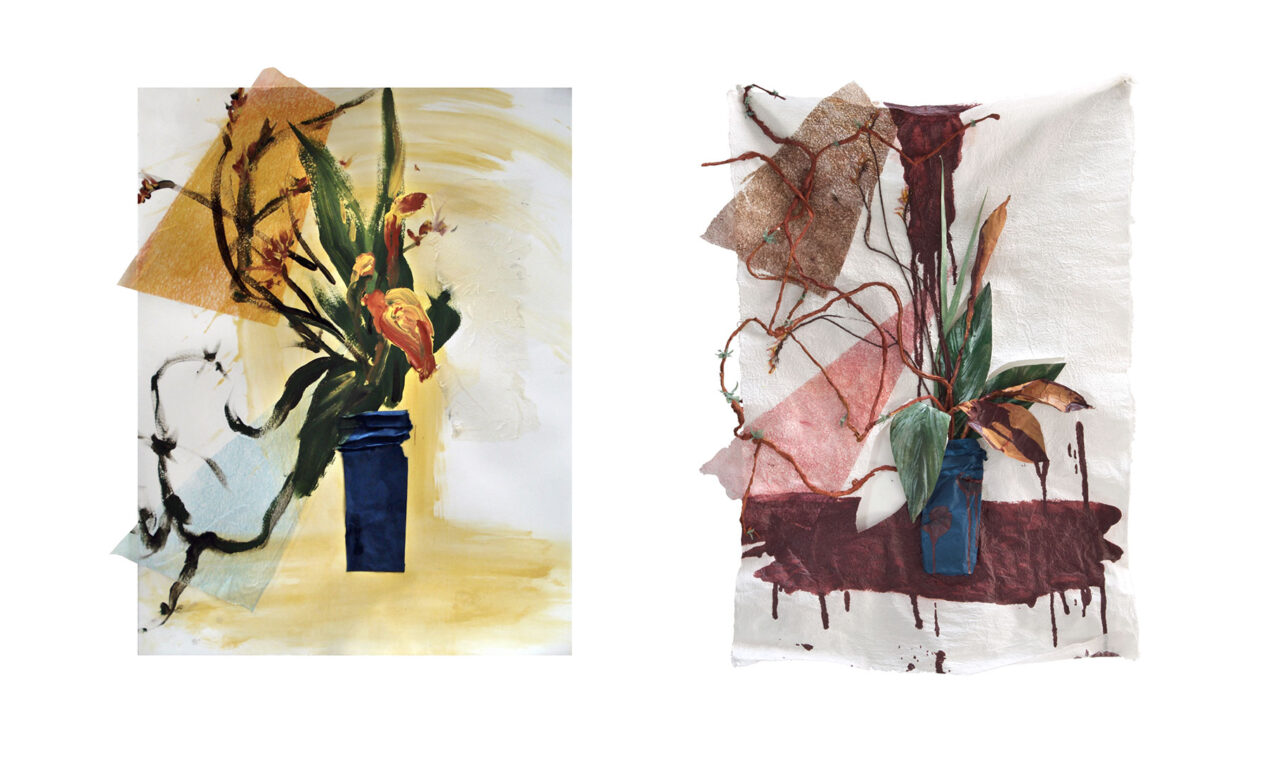
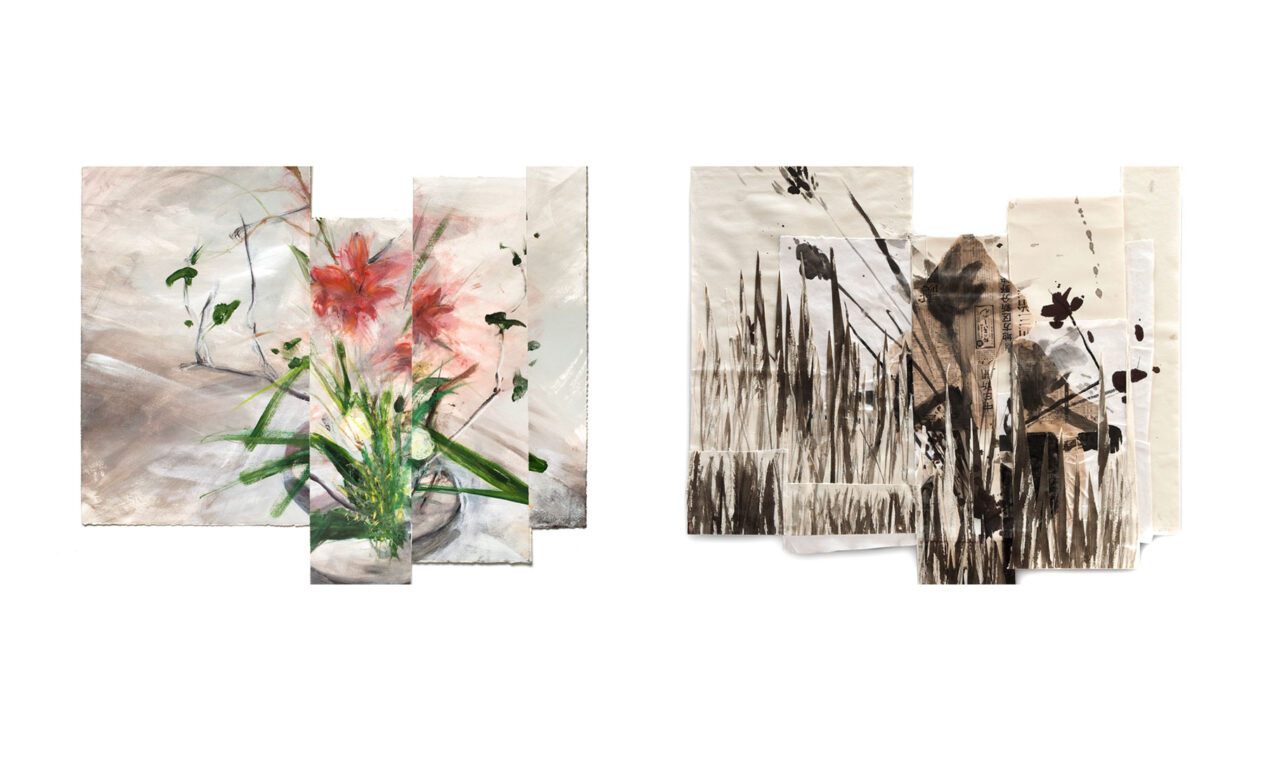
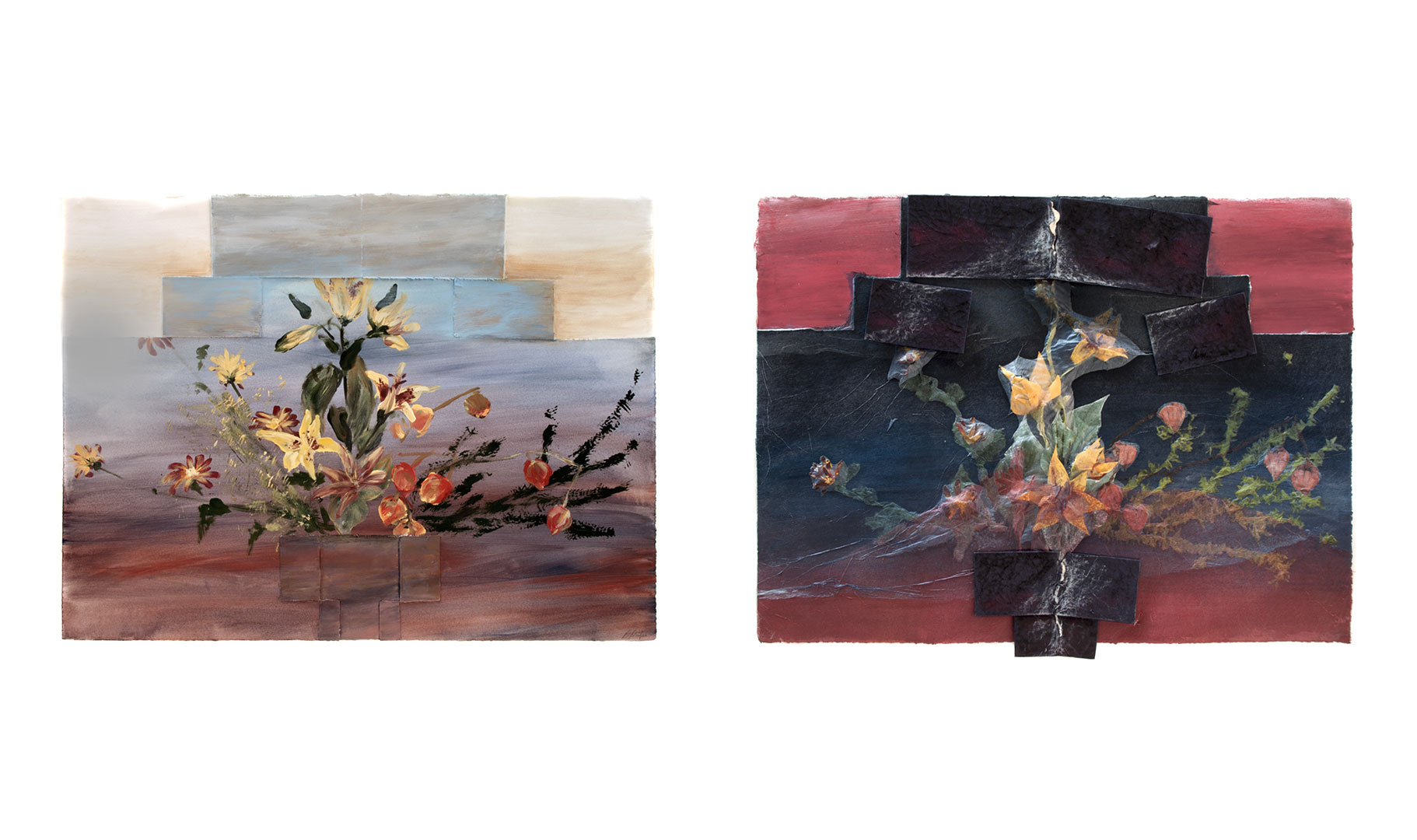
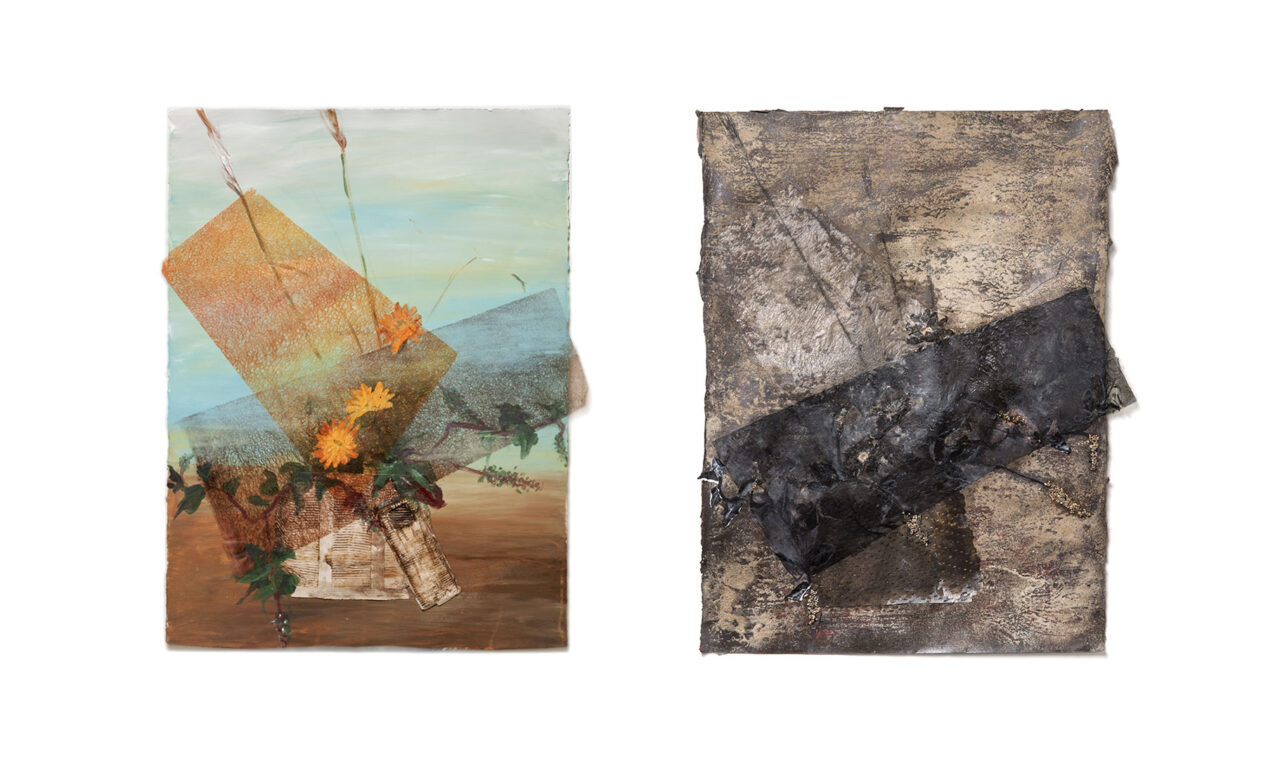
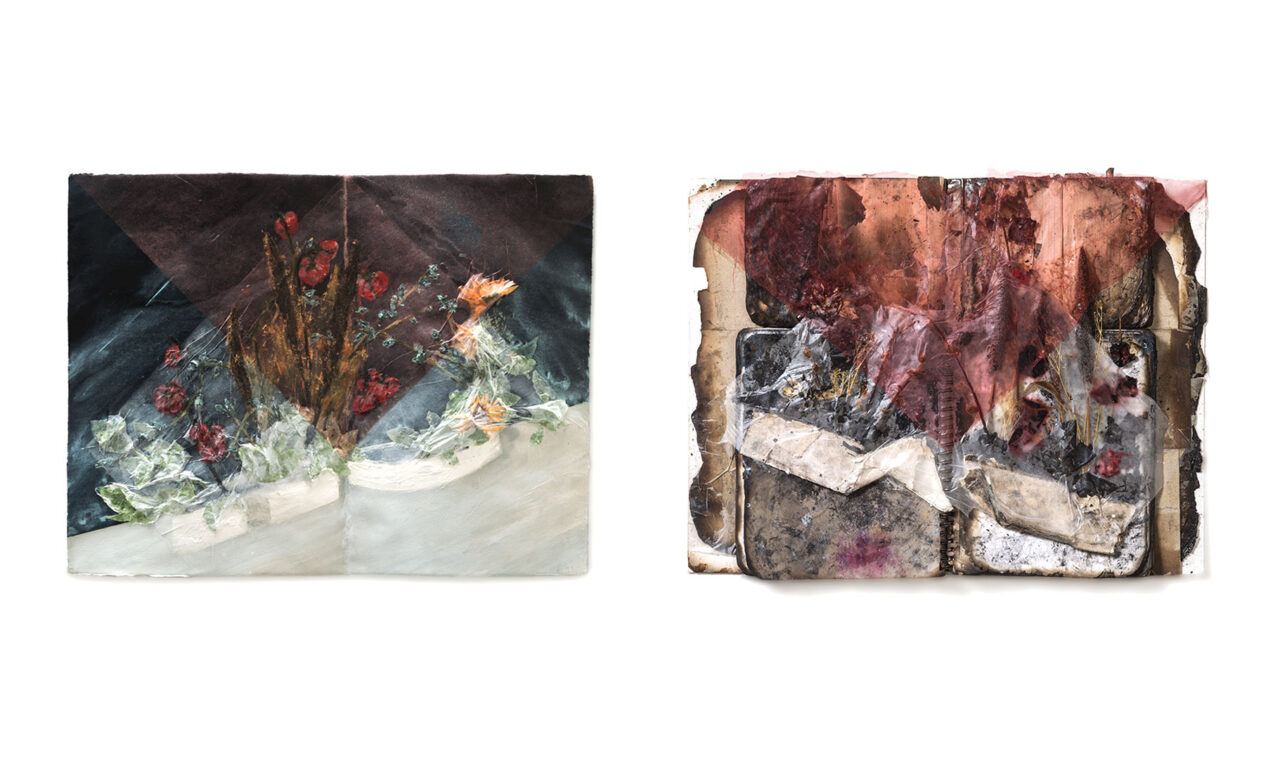
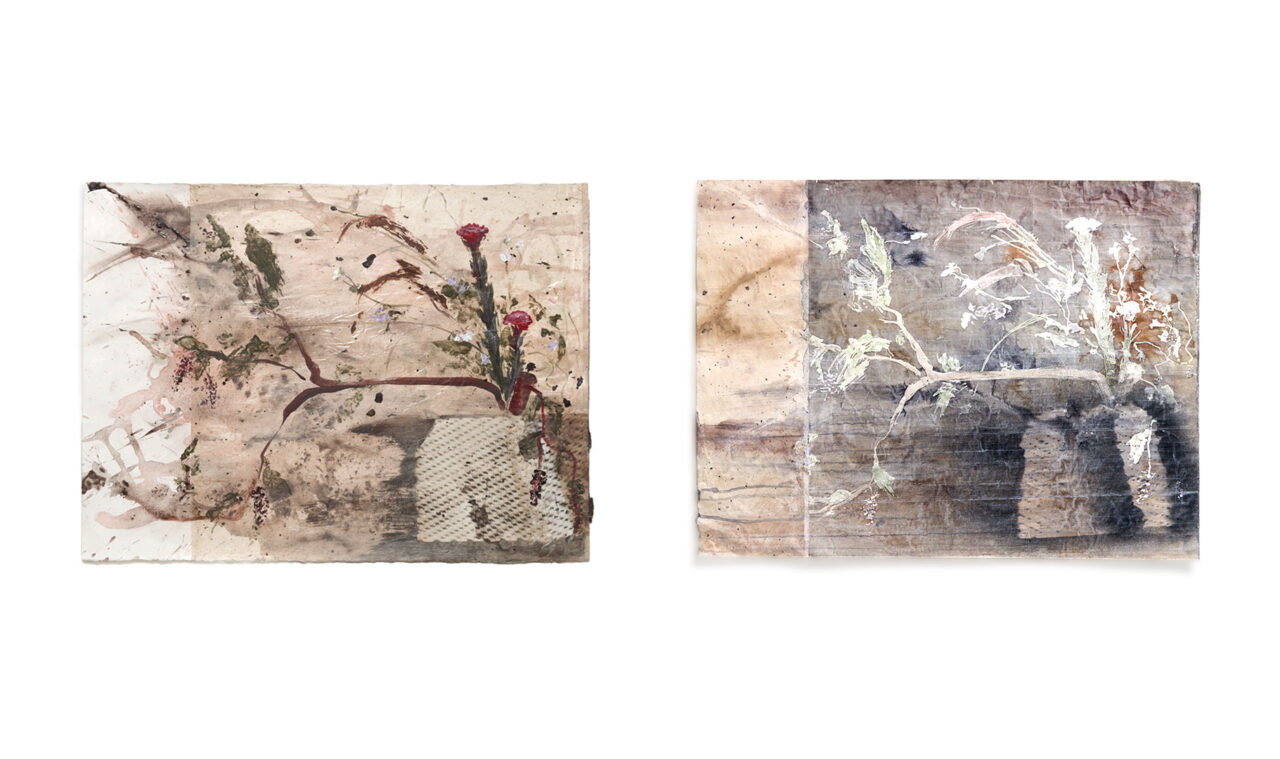
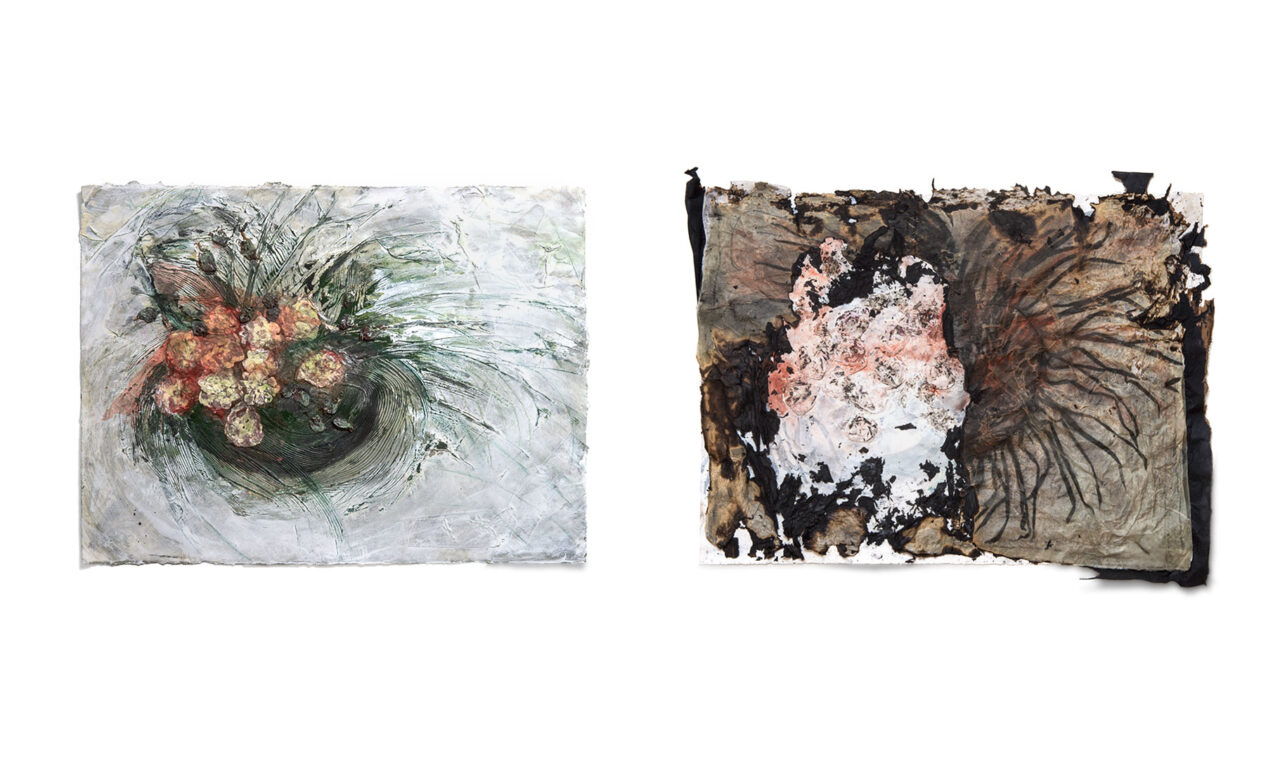
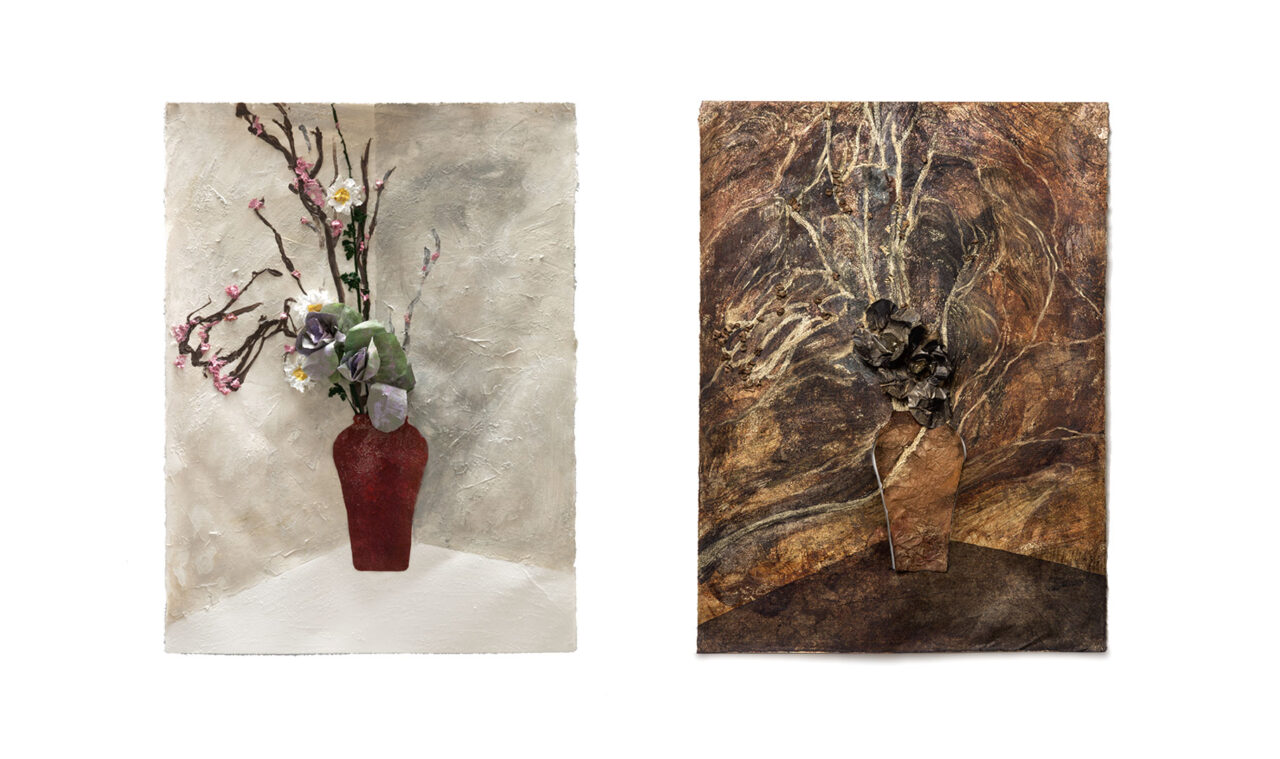
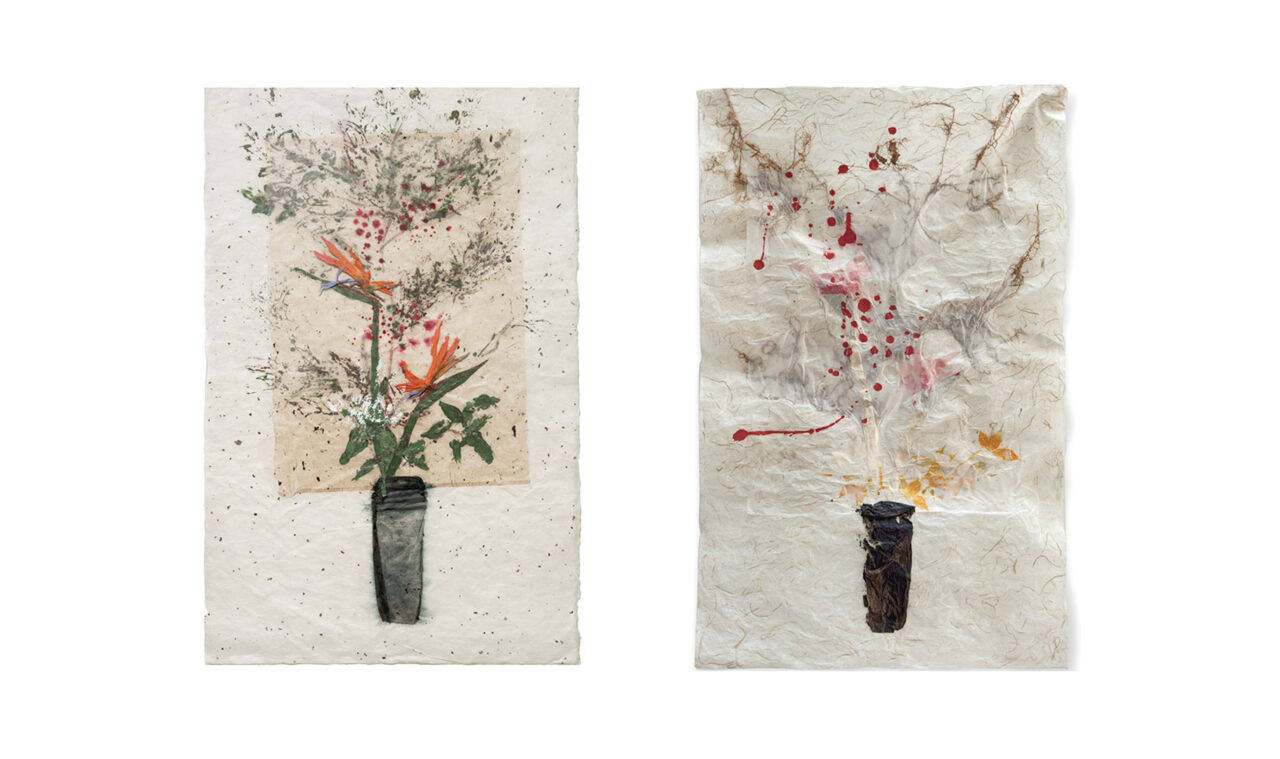
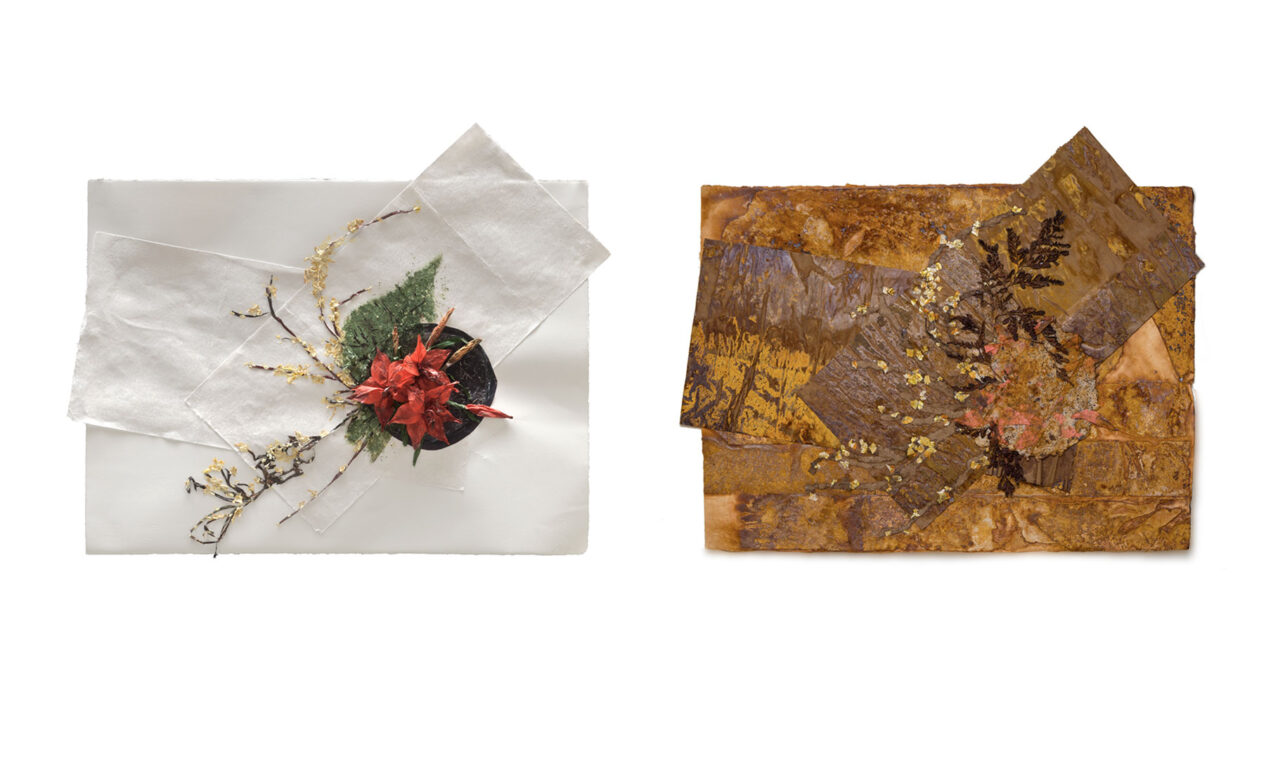
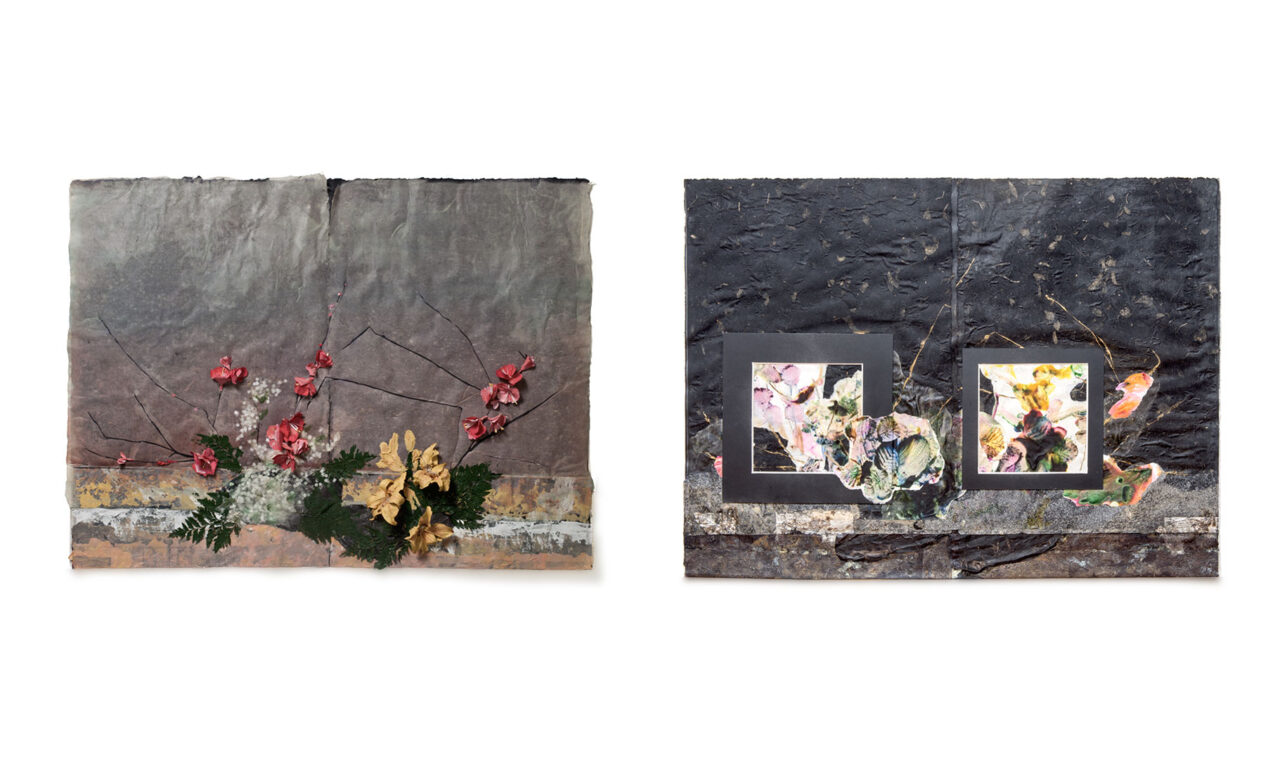
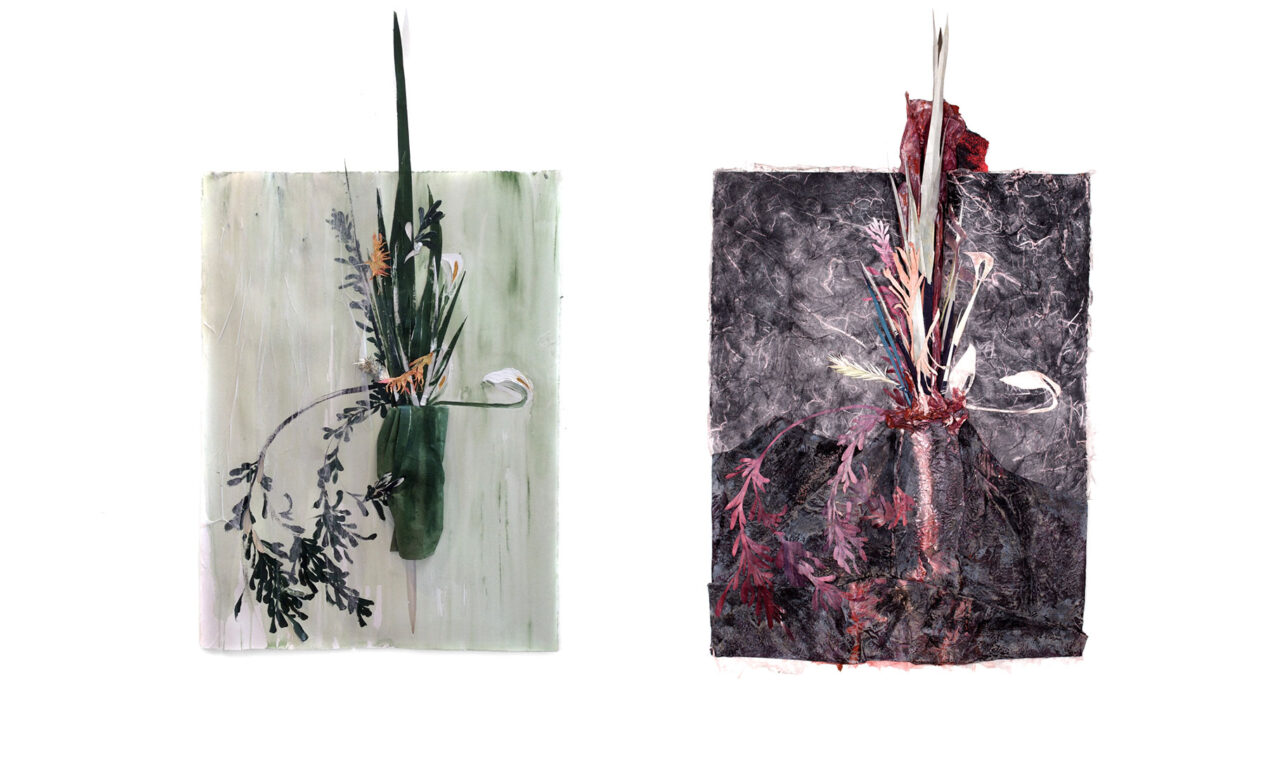
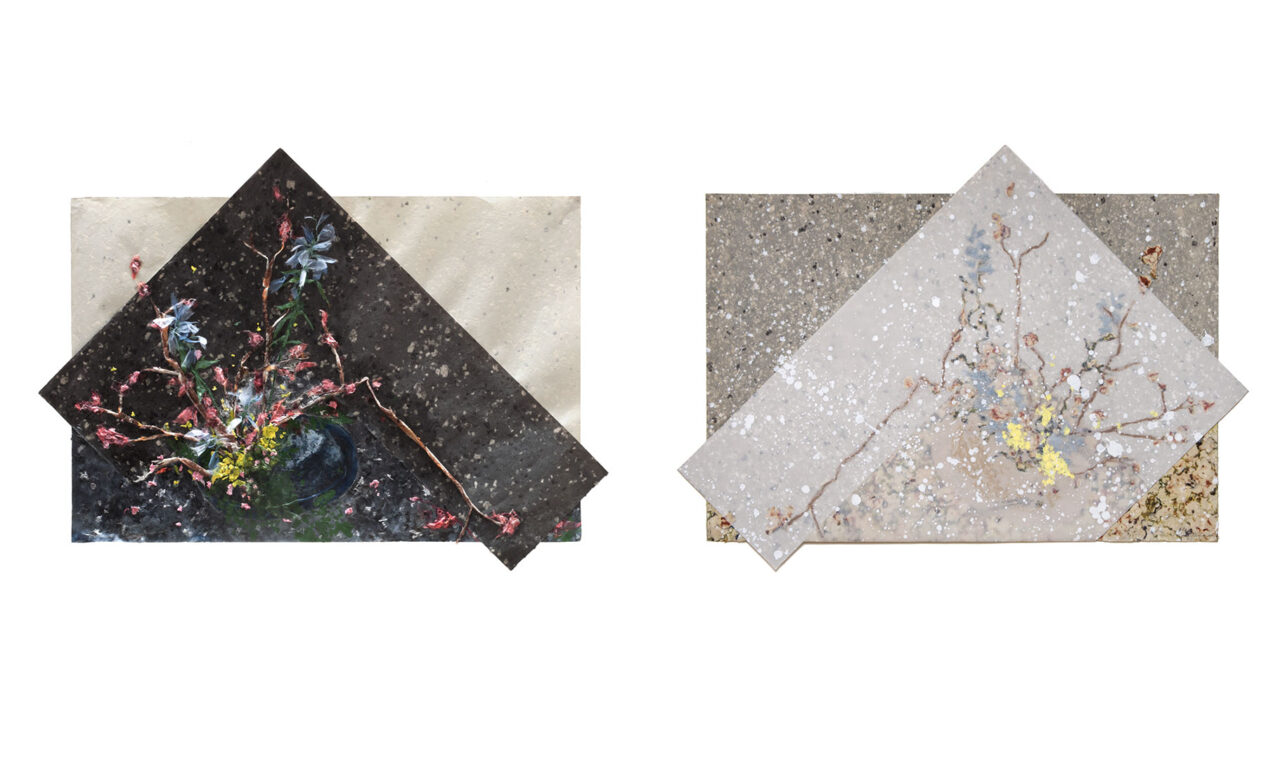
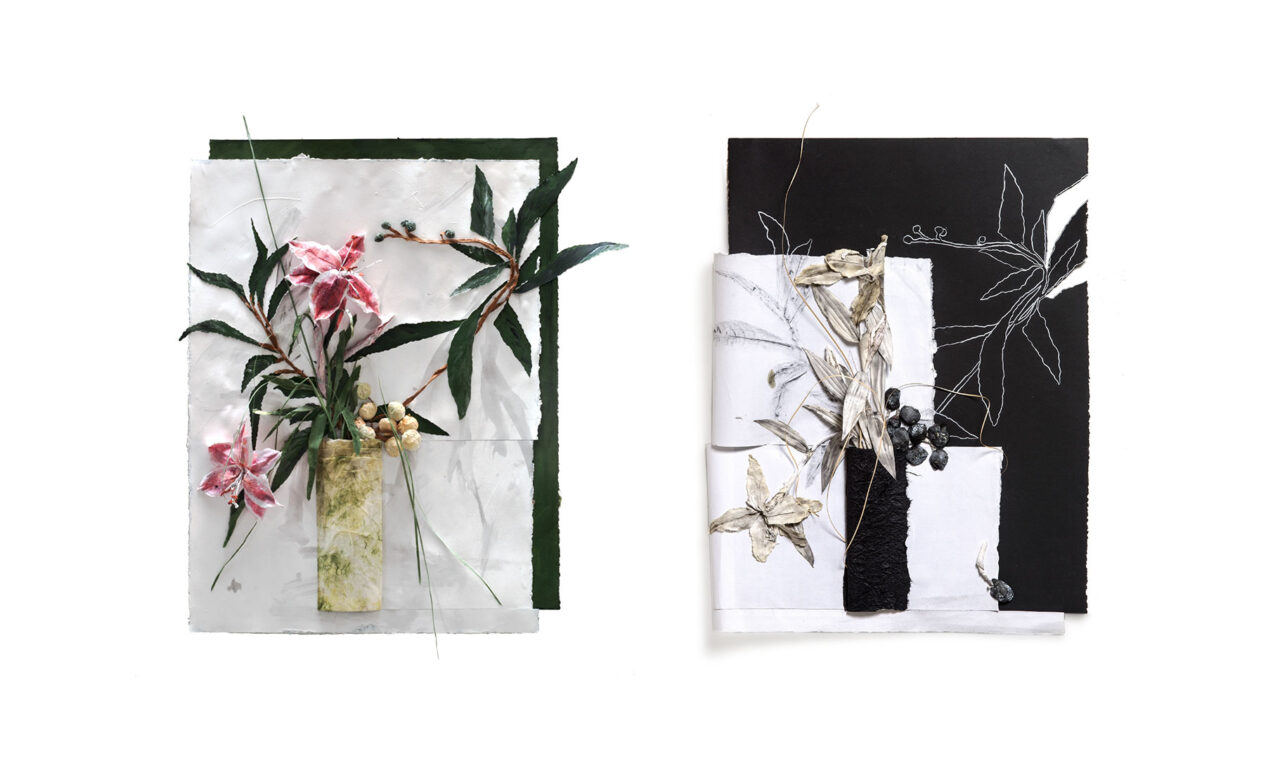
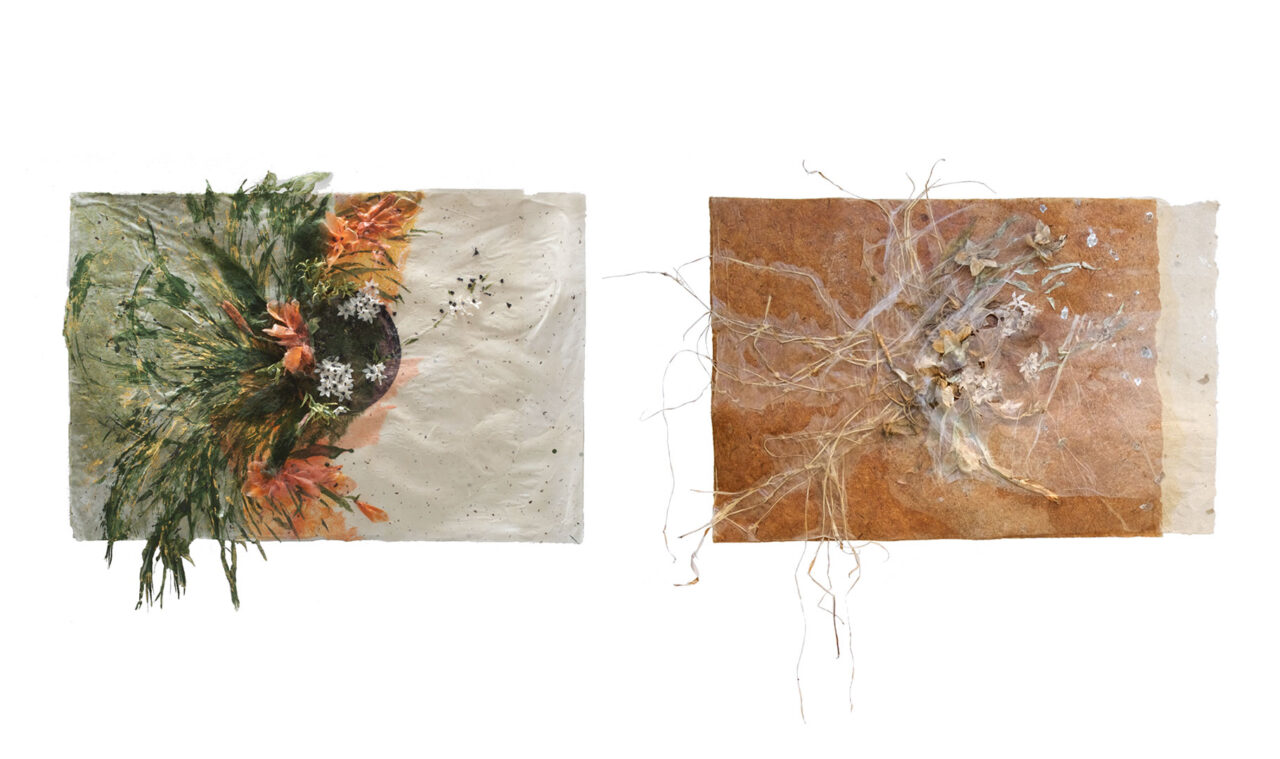
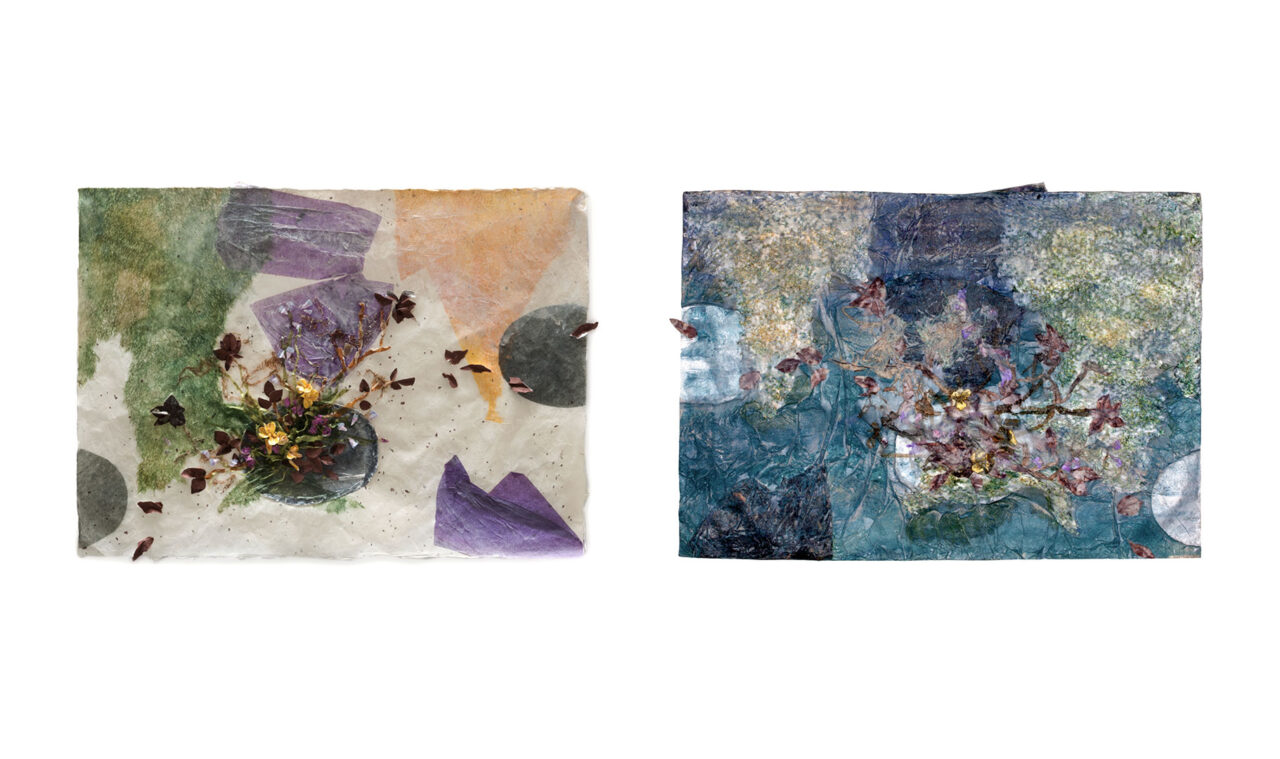
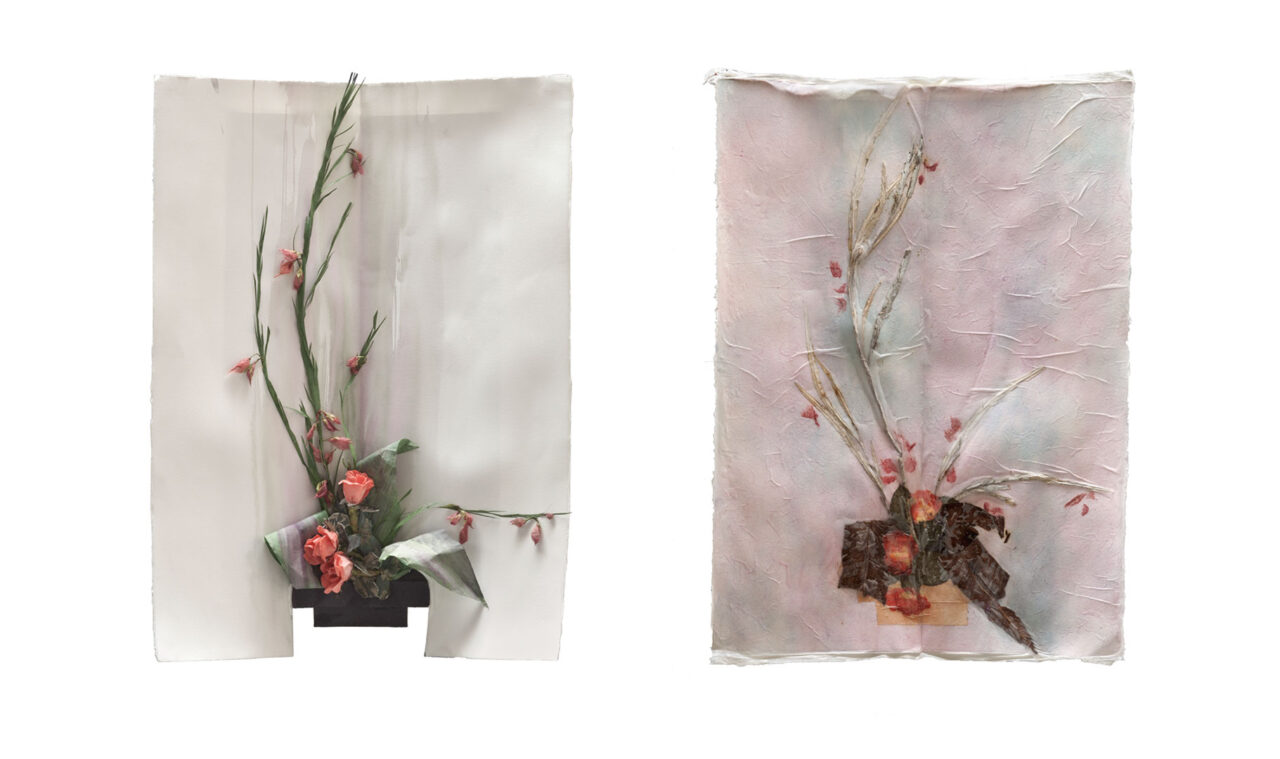
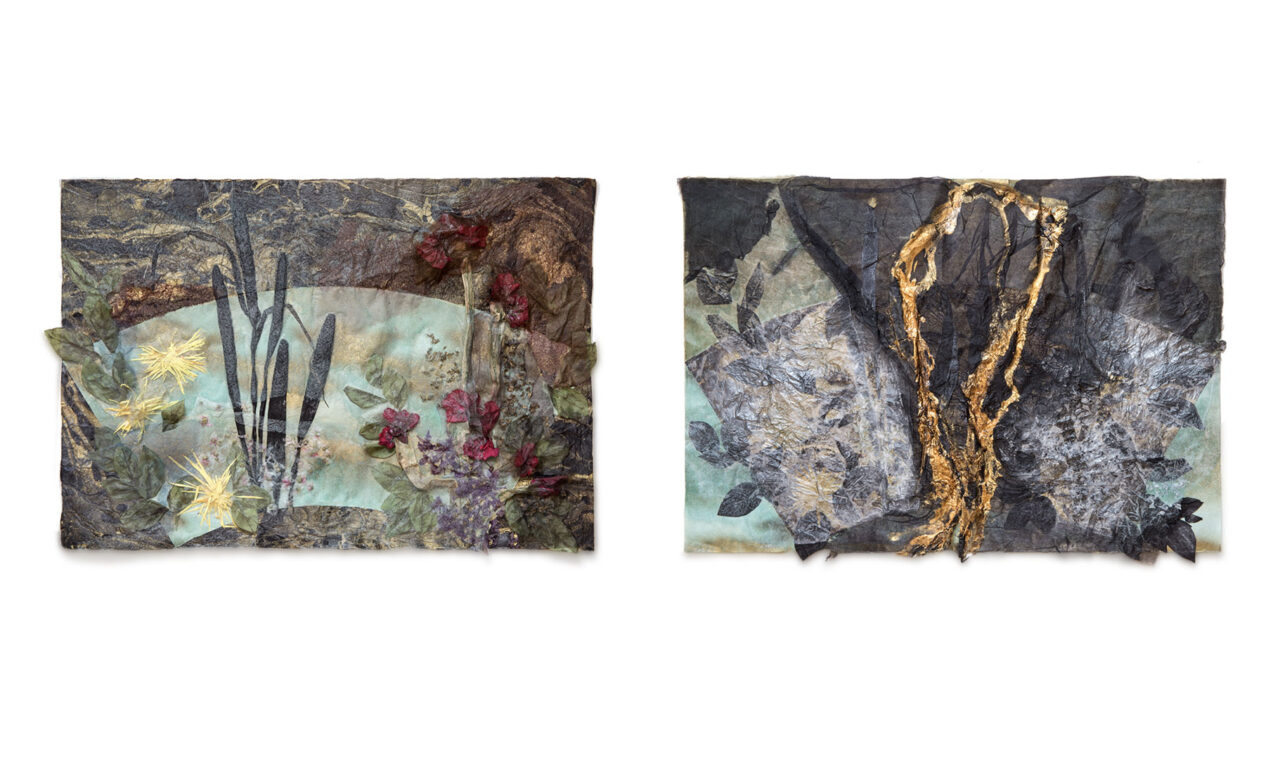
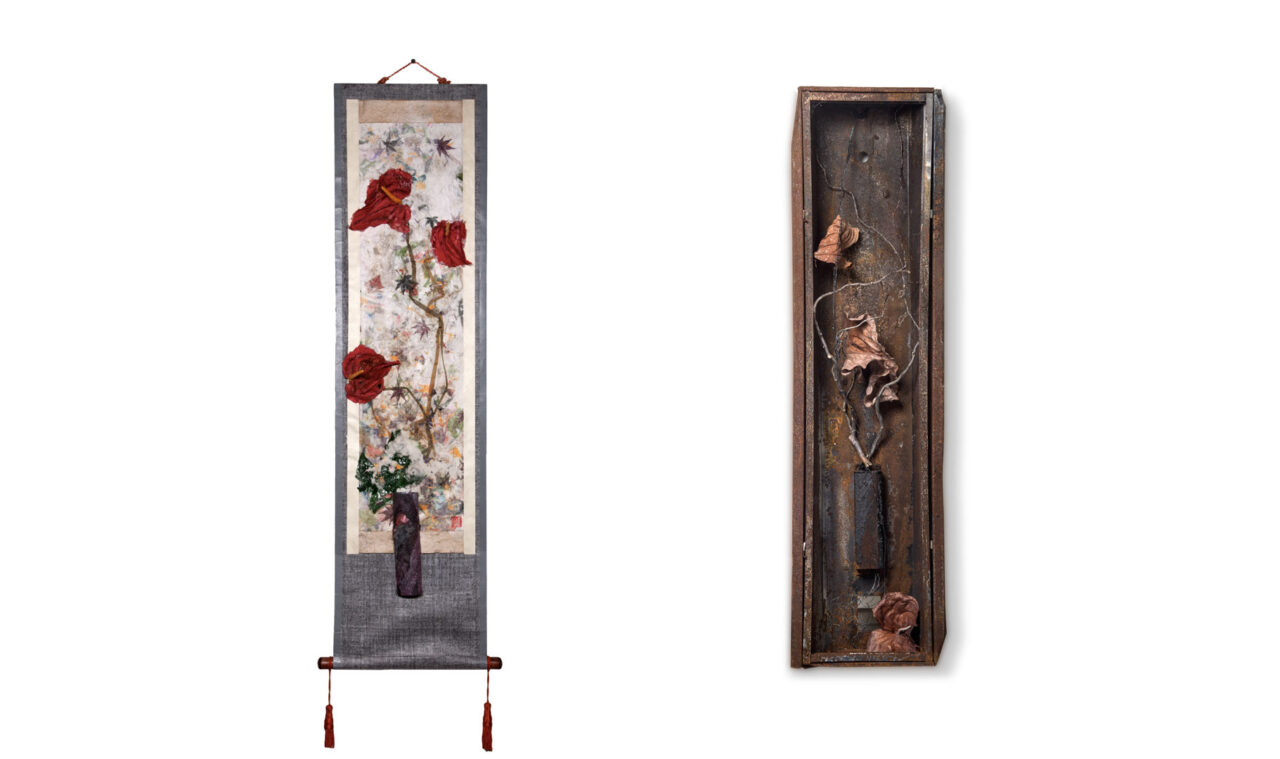
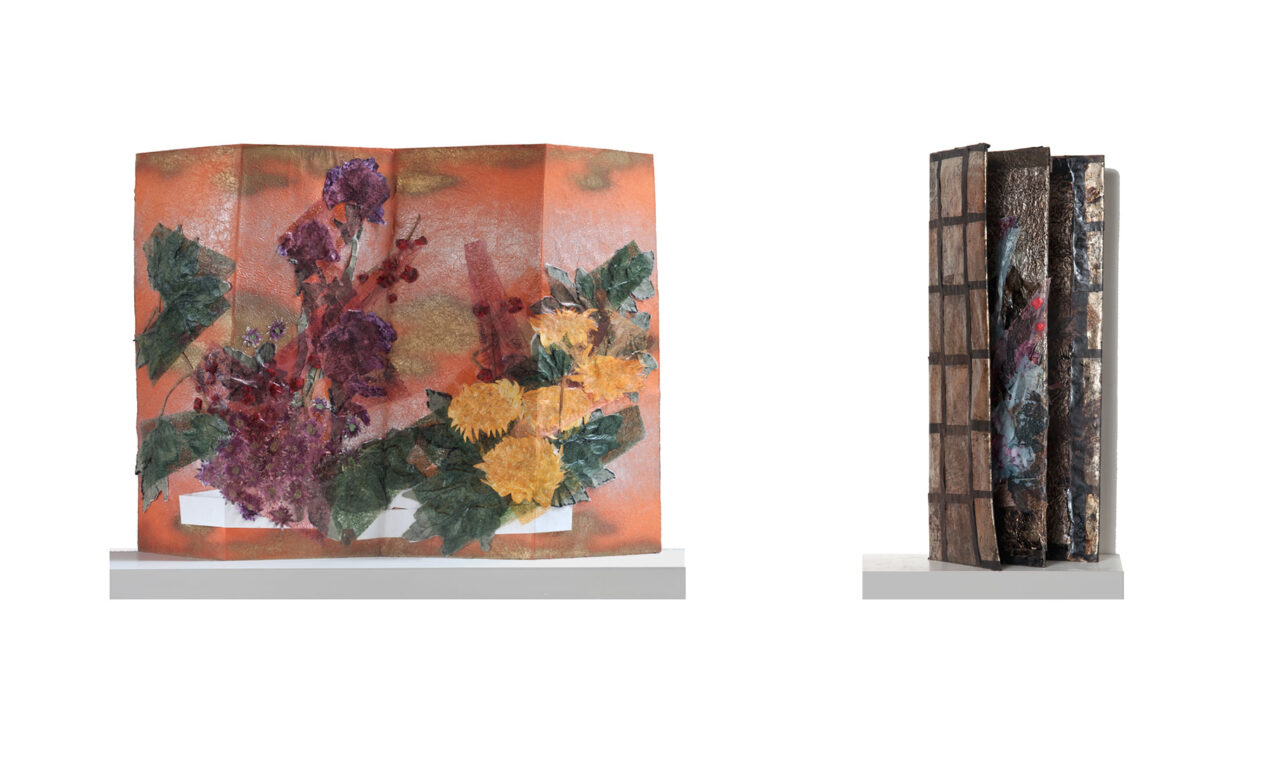
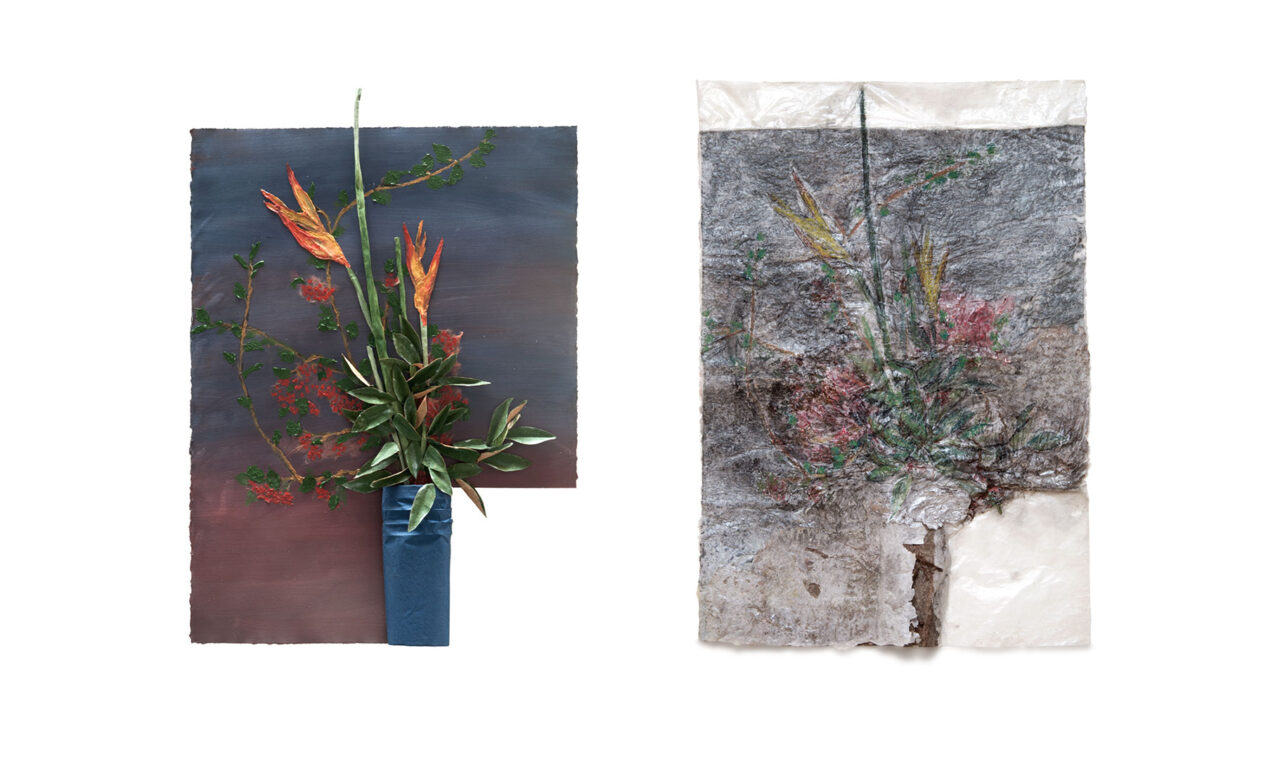
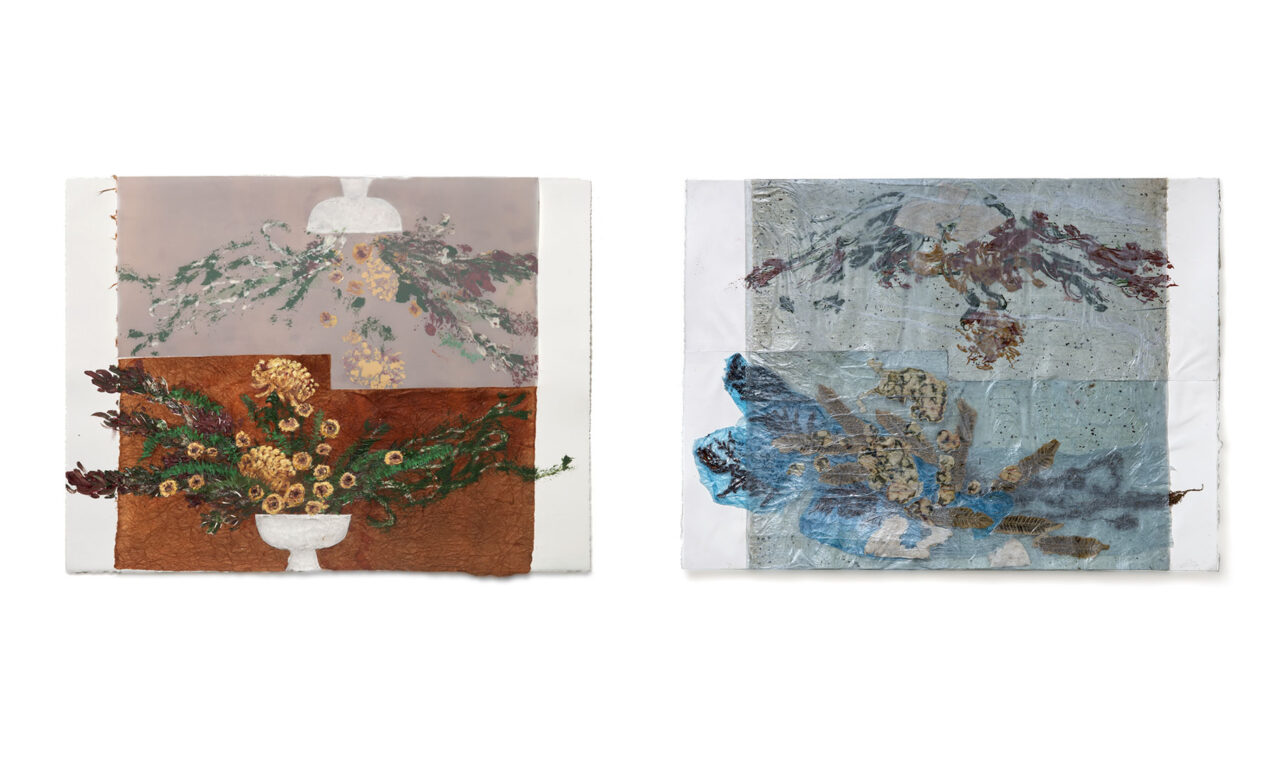
"The Ikebana Series is being put forth as a context for programming on the climate crisis—not to be categorized by the form of the arrangements. It is about the perfection of beauty in living flowers and how their natural demise due to environmental factors exemplifies the tragedy of our intrusions on the planet."
Twenty-five diptychs. Each functions as both celebration and memorial. Left panels: peak vitality. Right panels: destruction by floods, fires, pollution, climate disasters.
COMPLETE SERIES: 25 traditional Japanese flower arrangements
AVAILABLE AS: Limited Edition Artist's Book
PUBLICATION: New Ikebana (February 20, 2023)
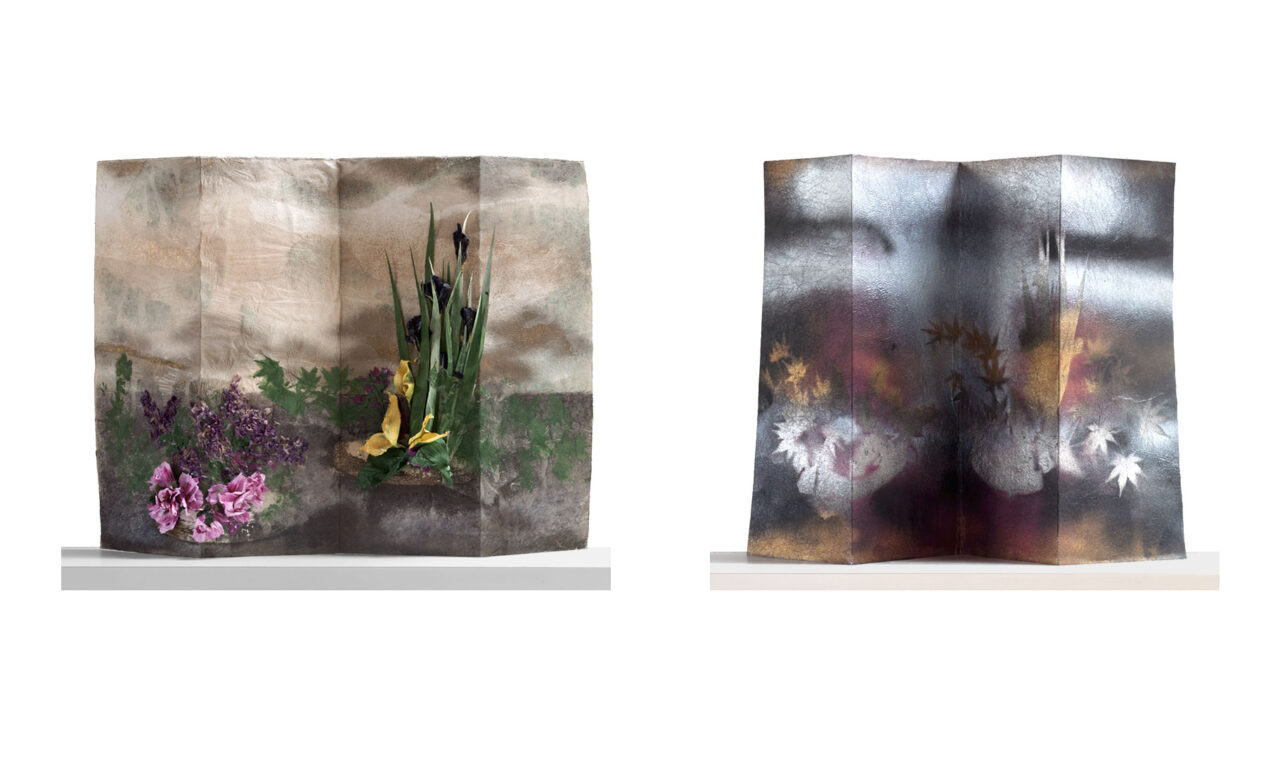
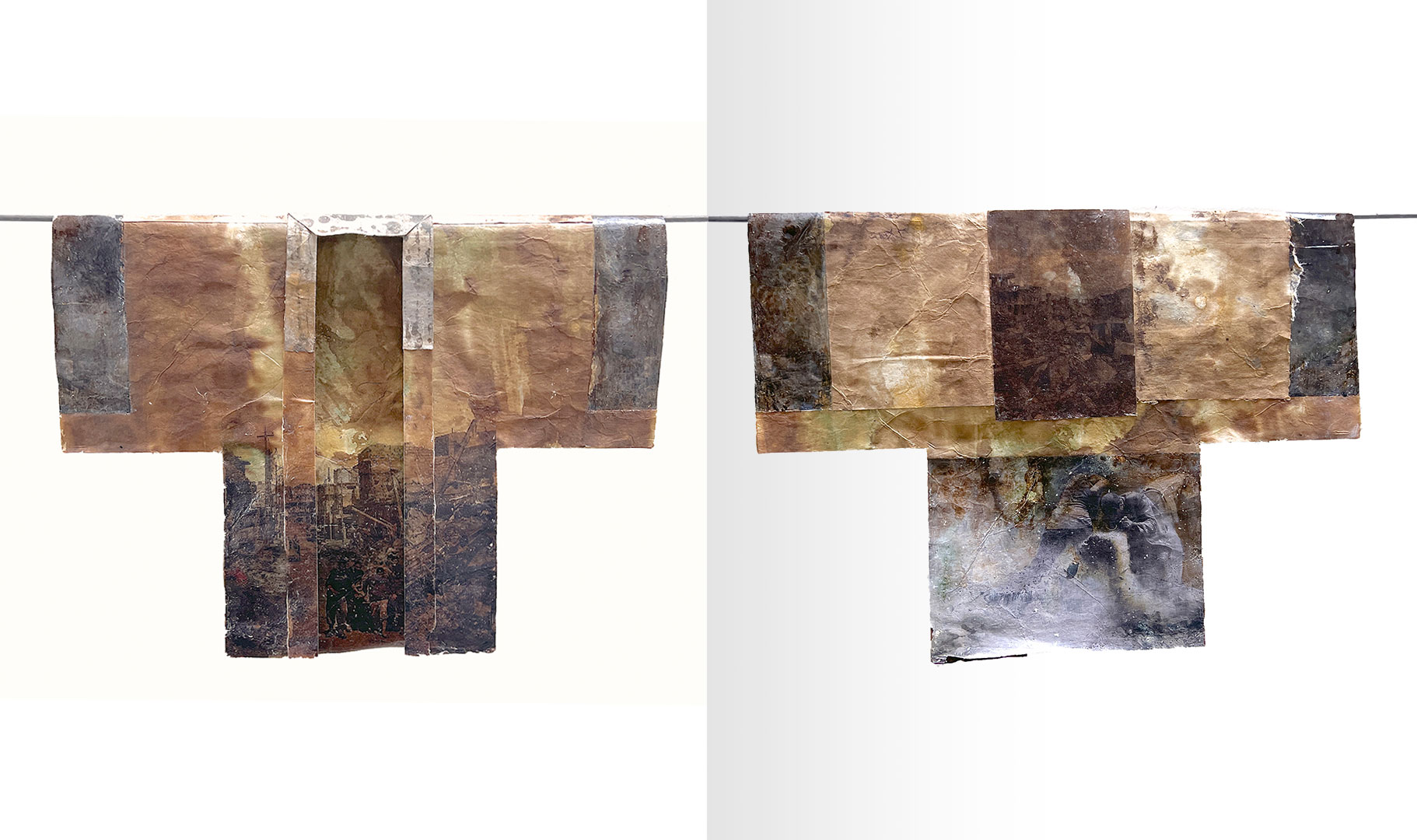
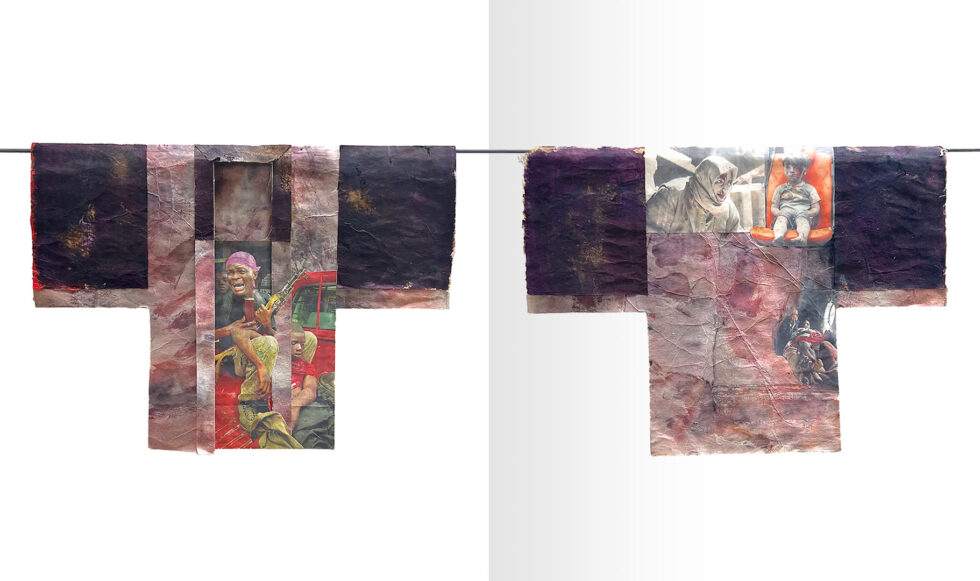
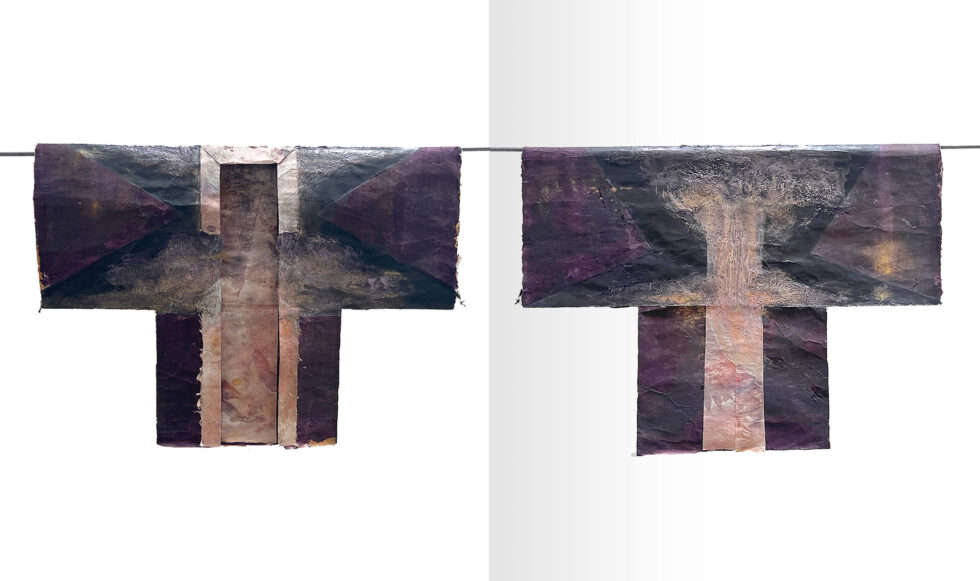
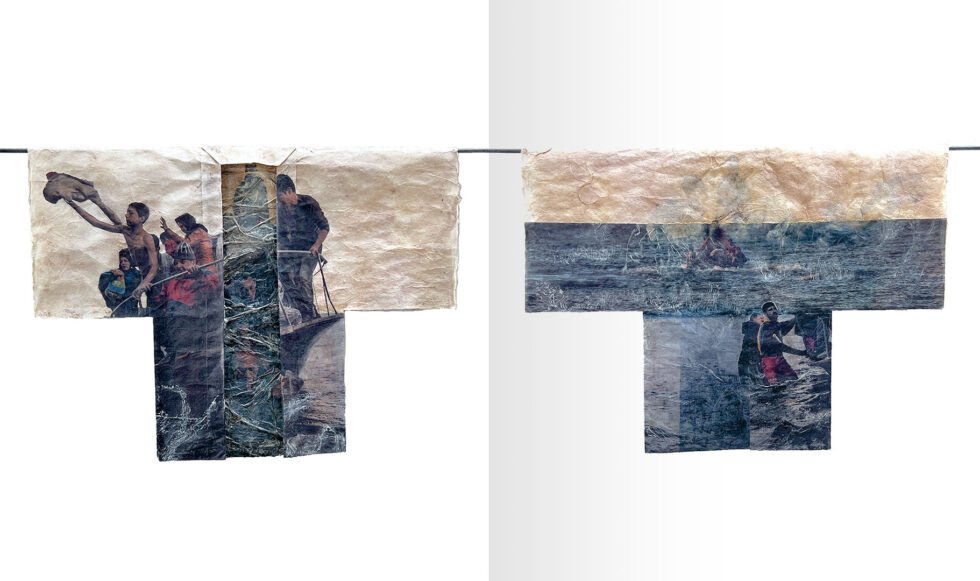
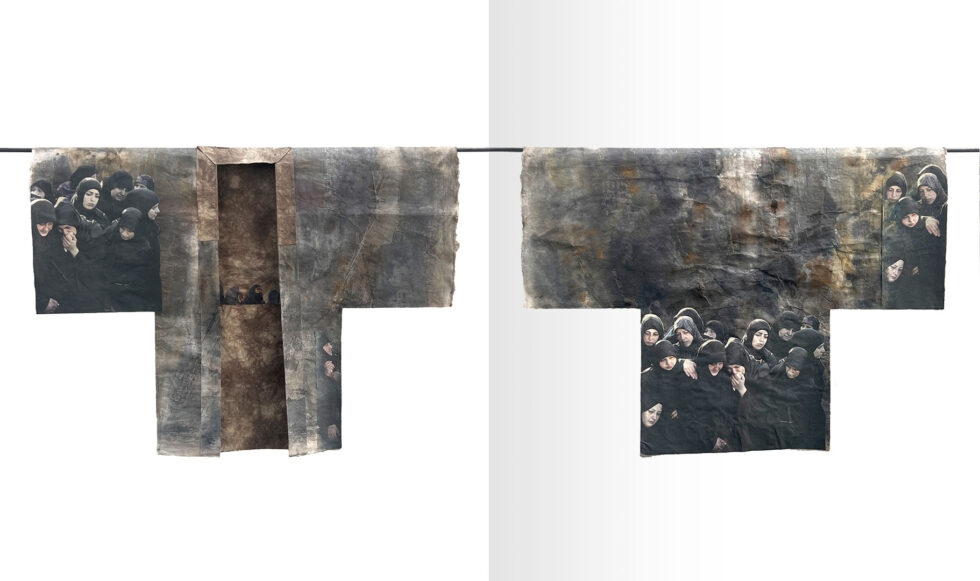
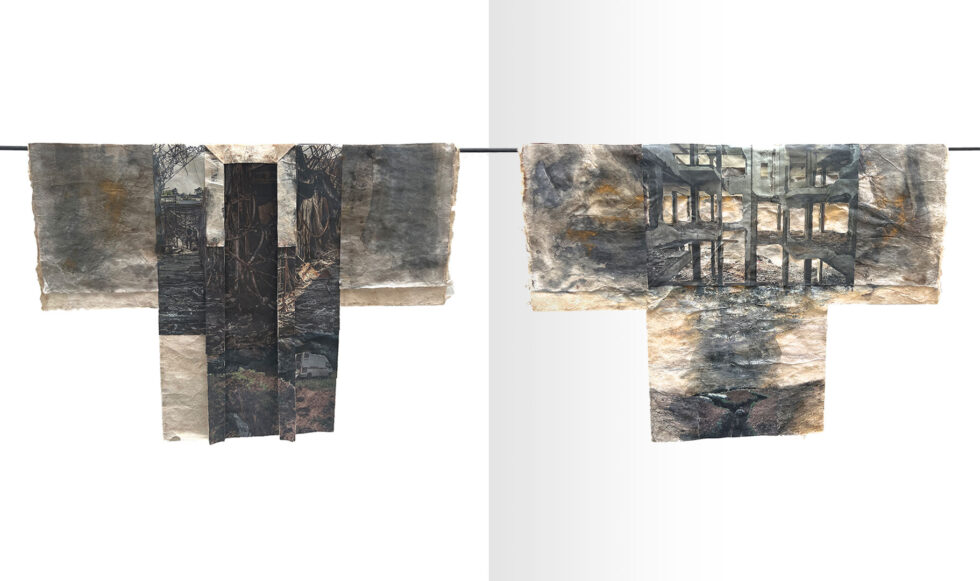
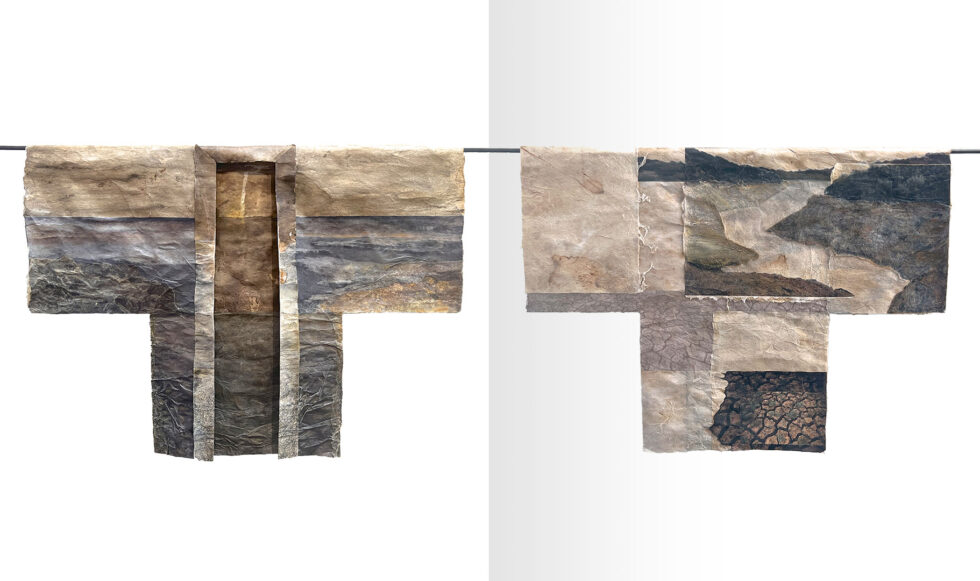
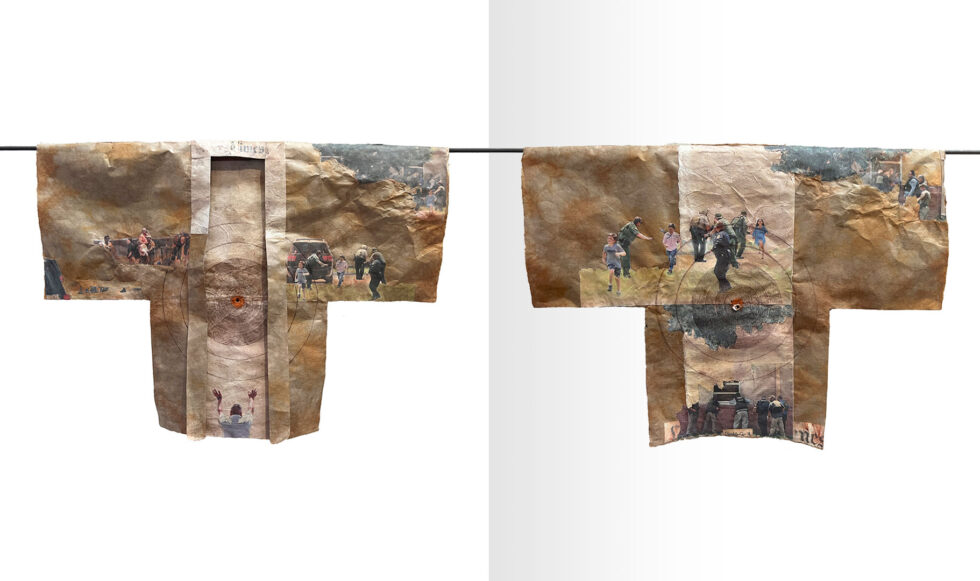
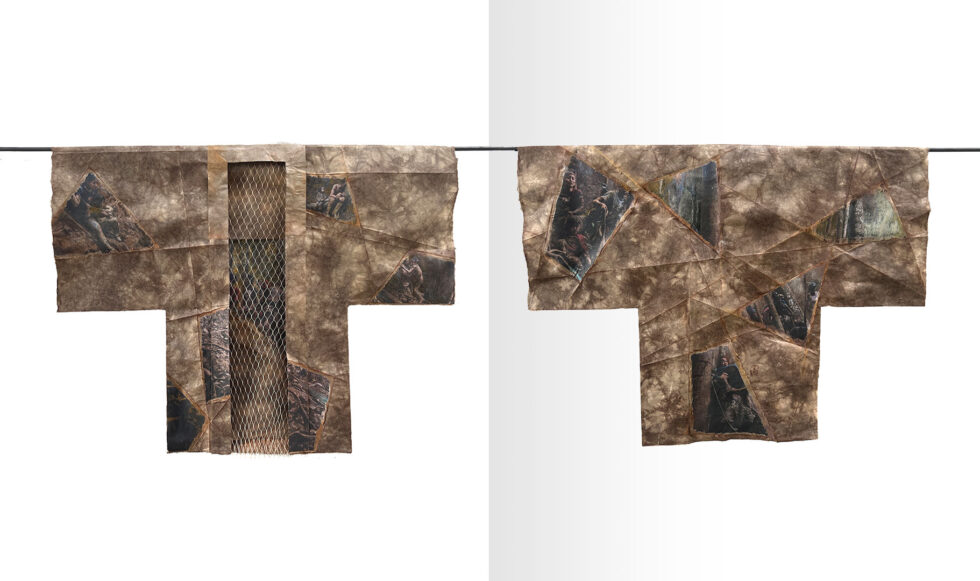
THE TIMES has a double meaning: As a reference to the two newspapers (The New York Times and the Los Angeles Times) and to the timeliness of the subjects of the images collected from their pages. I have been concerned with issues of social justice and environmental crises for decades, which led me to collect newspaper photographs that I feel should become indelible—images to be burned into our collective conscience by canonizing them in an artwork.
These shaped canvases were constructed as a two-sided kimono to suggest that the finished art pieces were wearable and that the wearer thereby becomes an integral part of the condition of the subject depicted. Thus, the viewer wears and bears the tragedy. We in the West often "wear" our opinions on T-shirts and jackets. The format with a front and a back also alludes to "sandwich boards" worn to advertise products. So, when we consider these kimono-like pieces as potentially wearable art, they challenge us to consider the subject on a more personal level.
SERIES: 9 paired kimono works
FORMAT: Two-sided shaped canvas constructions
THEMES: War, tragedy, environmental crisis, social justice
Sandy Bleifer & THE HOLOCAUST: Looking Back from the Future
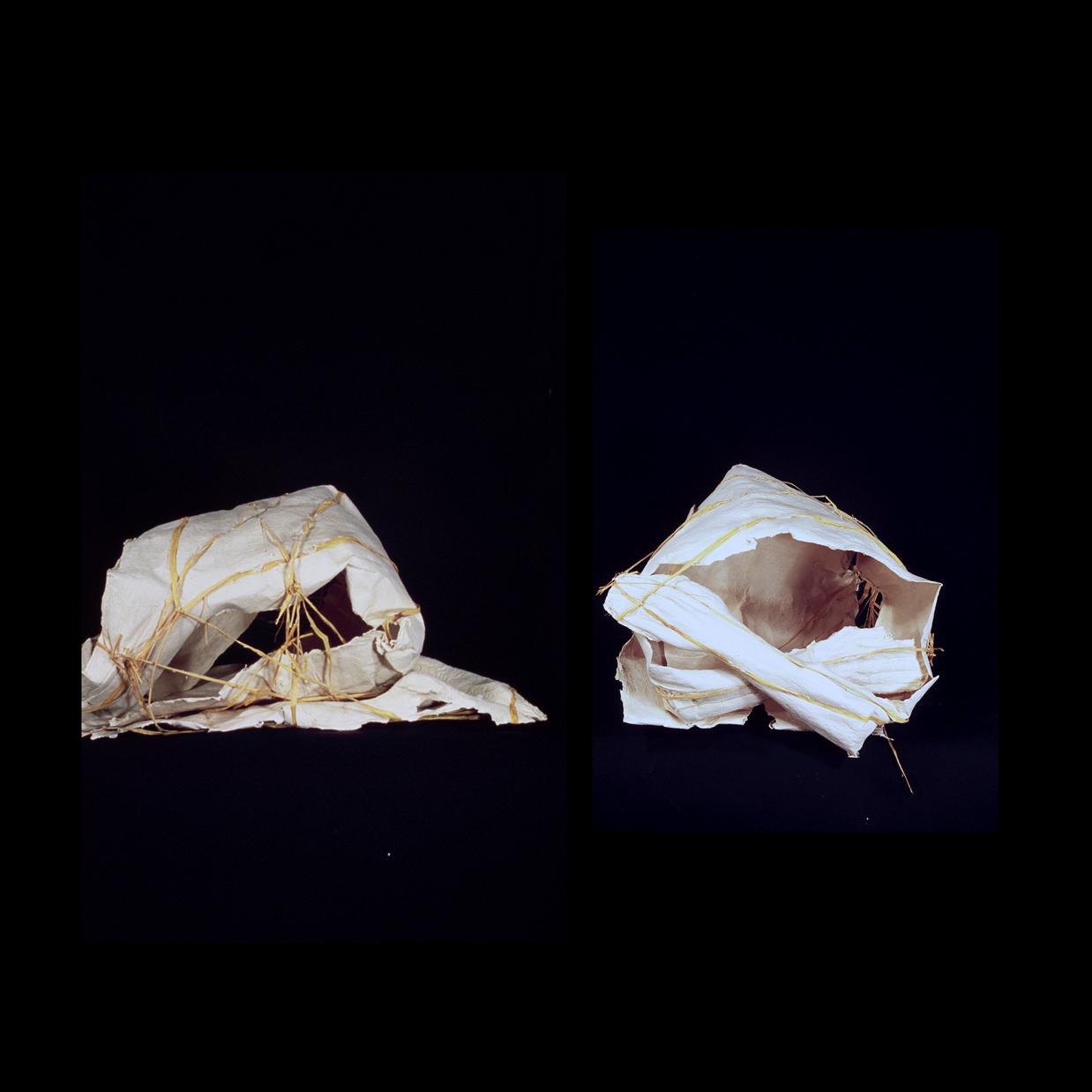
Paper remembers. Paper that was once cloth, cloth that was once uniform, uniform that was once striped, striped that was once a system for counting bodies.
Bleifer doesn't make Holocaust art. She makes paper remember what paper was forced to witness. The medium IS the testimony.
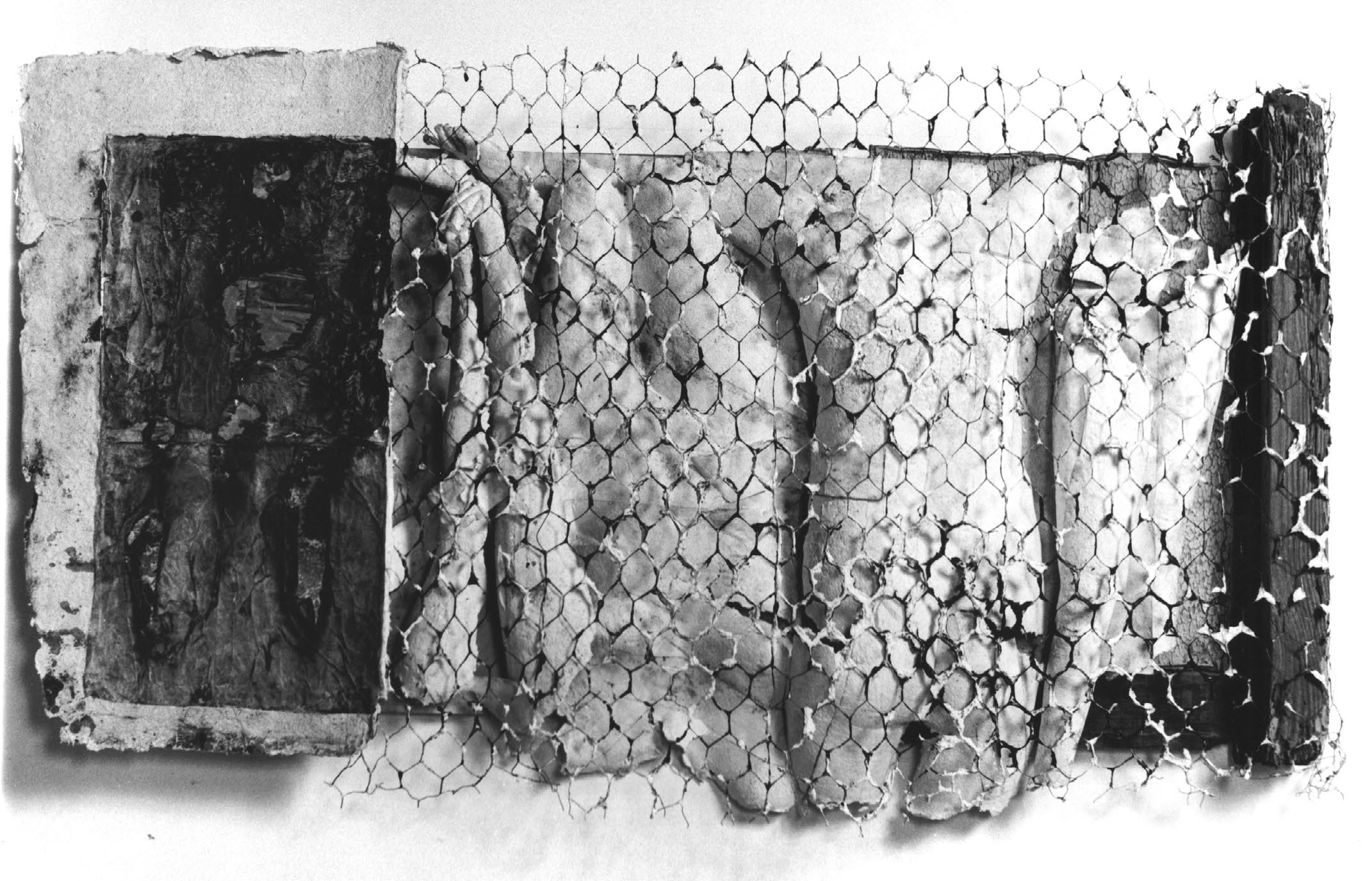
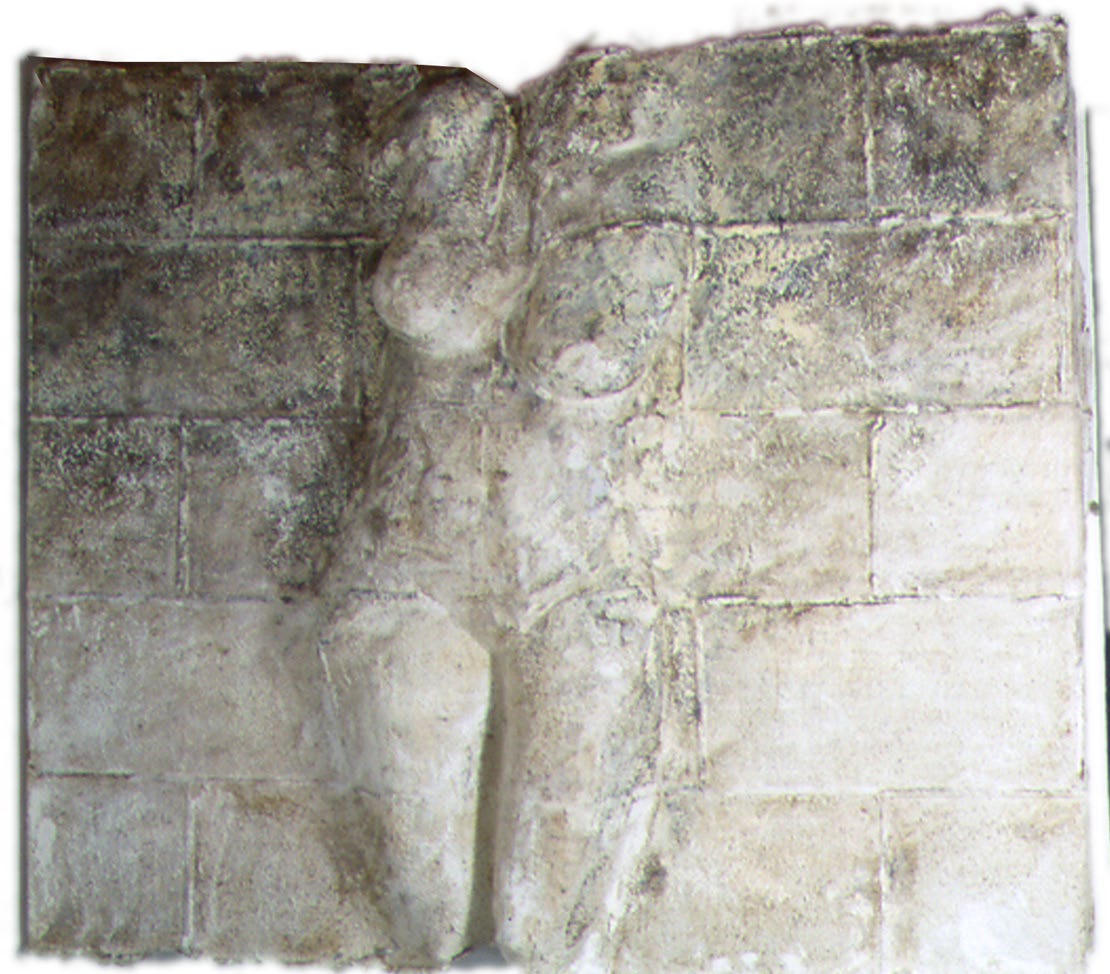
HOLOCAUST #1 • Figure emerging from wall
There is no "Sandy Bleifer, b. 1940, Los Angeles." There is only: someone who understood that fragility is stronger than stone.
Someone who saw that memorials fail because they finish. Bronze statues end. Plaques conclude. Marble closes. Paper continues. Paper degrades. Paper transforms. Paper refuses the comfort of permanence.
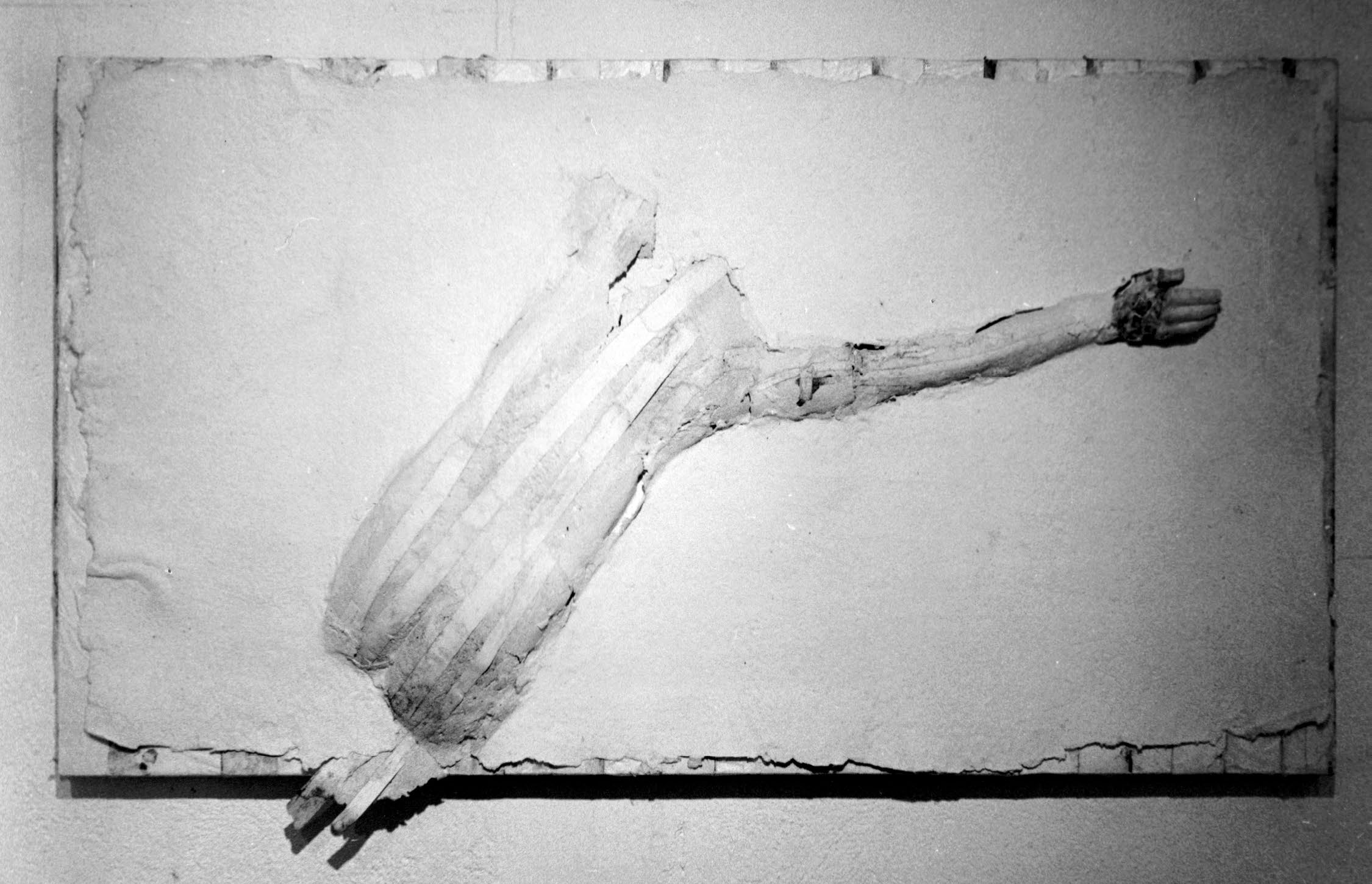
HOLOCAUST #2 • Reaching for help
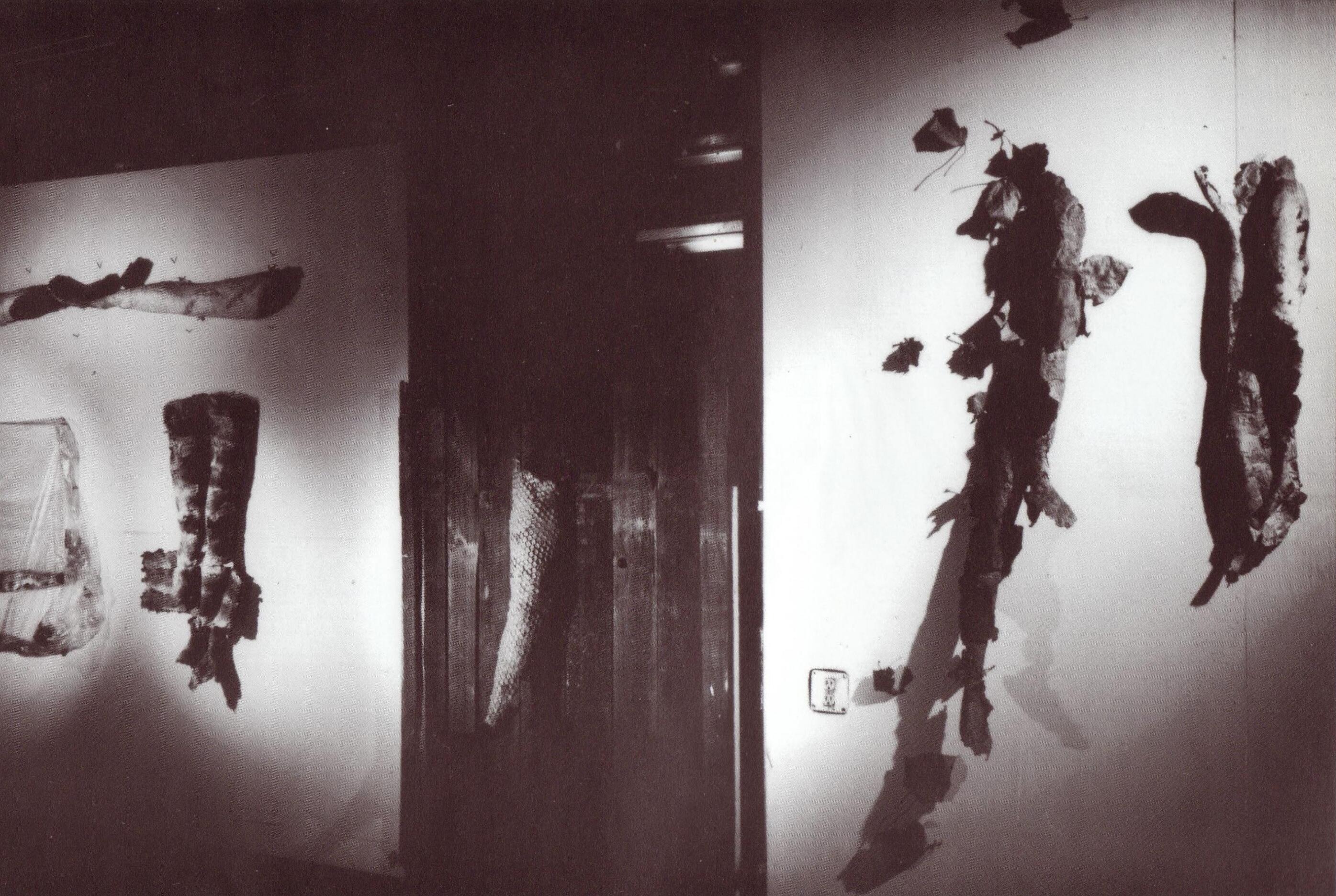
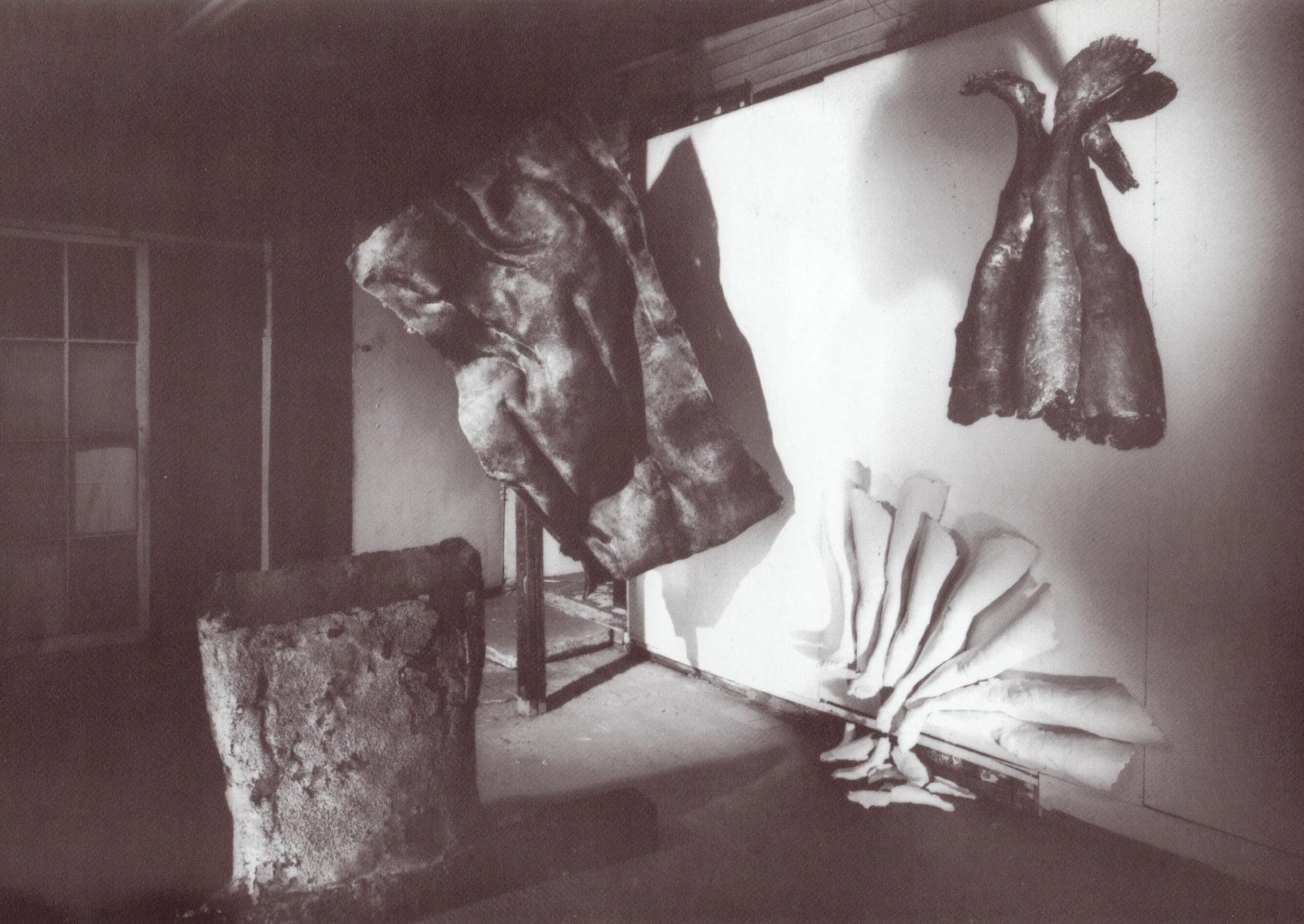
Space Gallery. LA Artcore Gallery. Three-dimensional figurative paper sculptures. Wood. Construction materials.
"Representing the interment of people in the concentration camps." NO. Not representing. RE-PRESENTING. Presenting again. Making present. Refusing past tense.
HOLOCAUST #3 • Tattooed numbers
That the most horrific thing requires the most fragile material. That paper sculpture formatted against the human body creates testimony the body cannot speak. That mold-infected strips recreate what archival documentation sanitizes. That beauty and horror collaborate when you refuse to separate them.
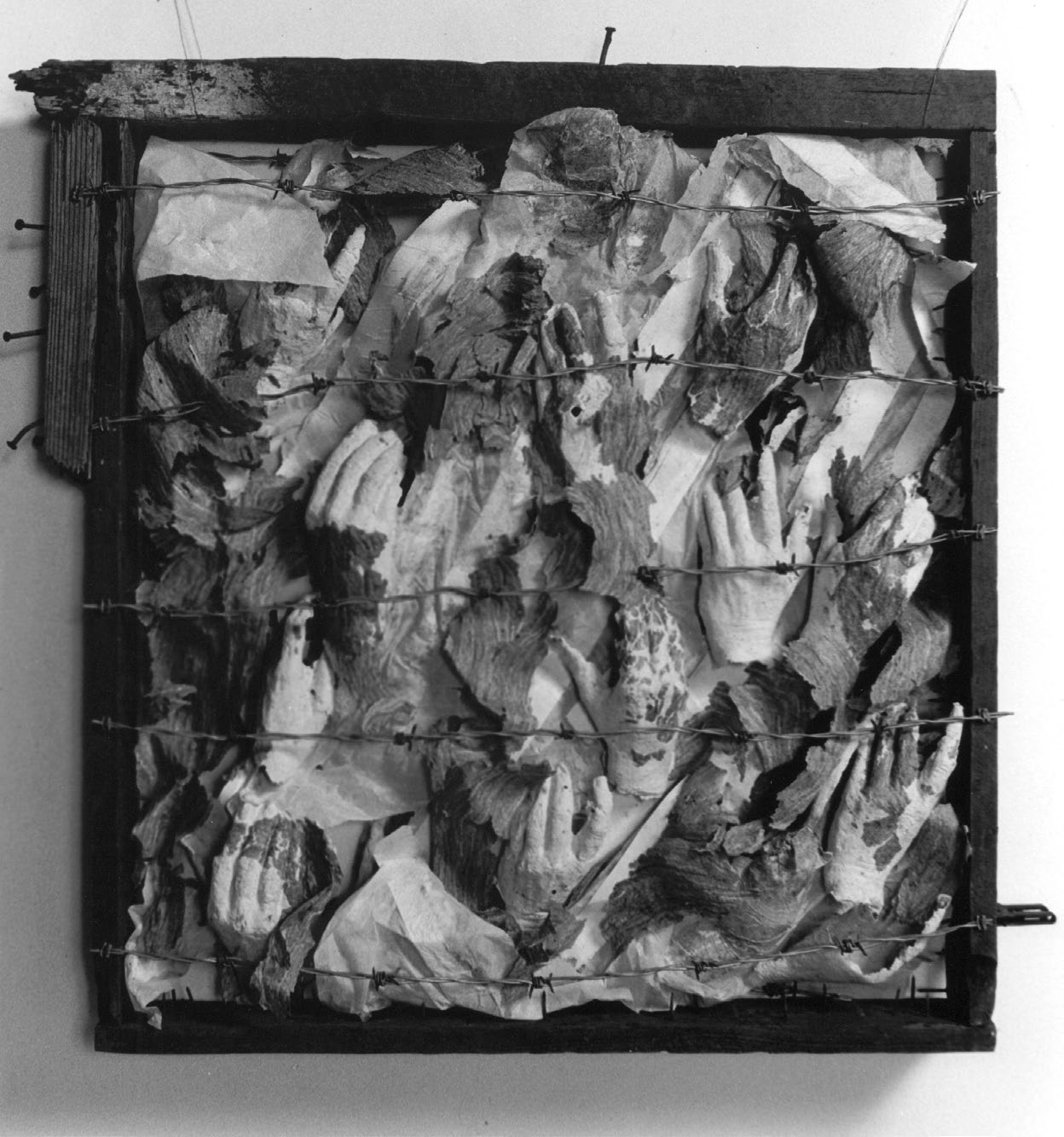
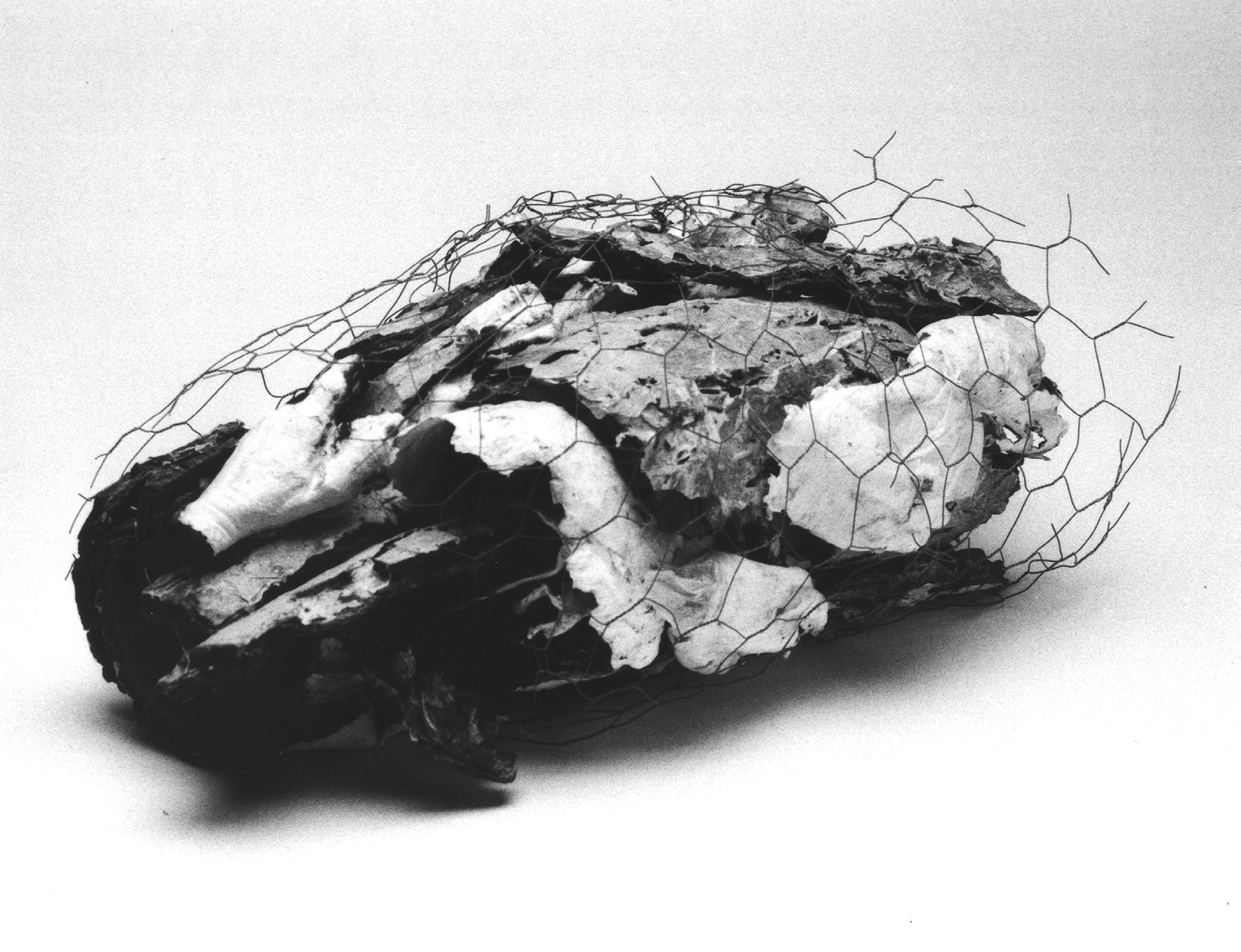
HOLOCAUST #4 • Wire and flesh
How do you make Holocaust art without: Exploitation - Aestheticization of suffering - Distance - Comfort - Closure - The lie that we understand
Answer: You use paper. Paper that tears. Paper that molds. Paper that acknowledges its inability to contain what it carries.
HOLOCAUST #5 • Fragments overflowing
This is the title of the work. This is the temporal fracture at the heart of everything. We are already in the future. The Holocaust is already memory. Memory is already contested.
Bleifer positions viewers as: NOT "someone learning about history" BUT "someone in the future who failed to prevent what comes next"
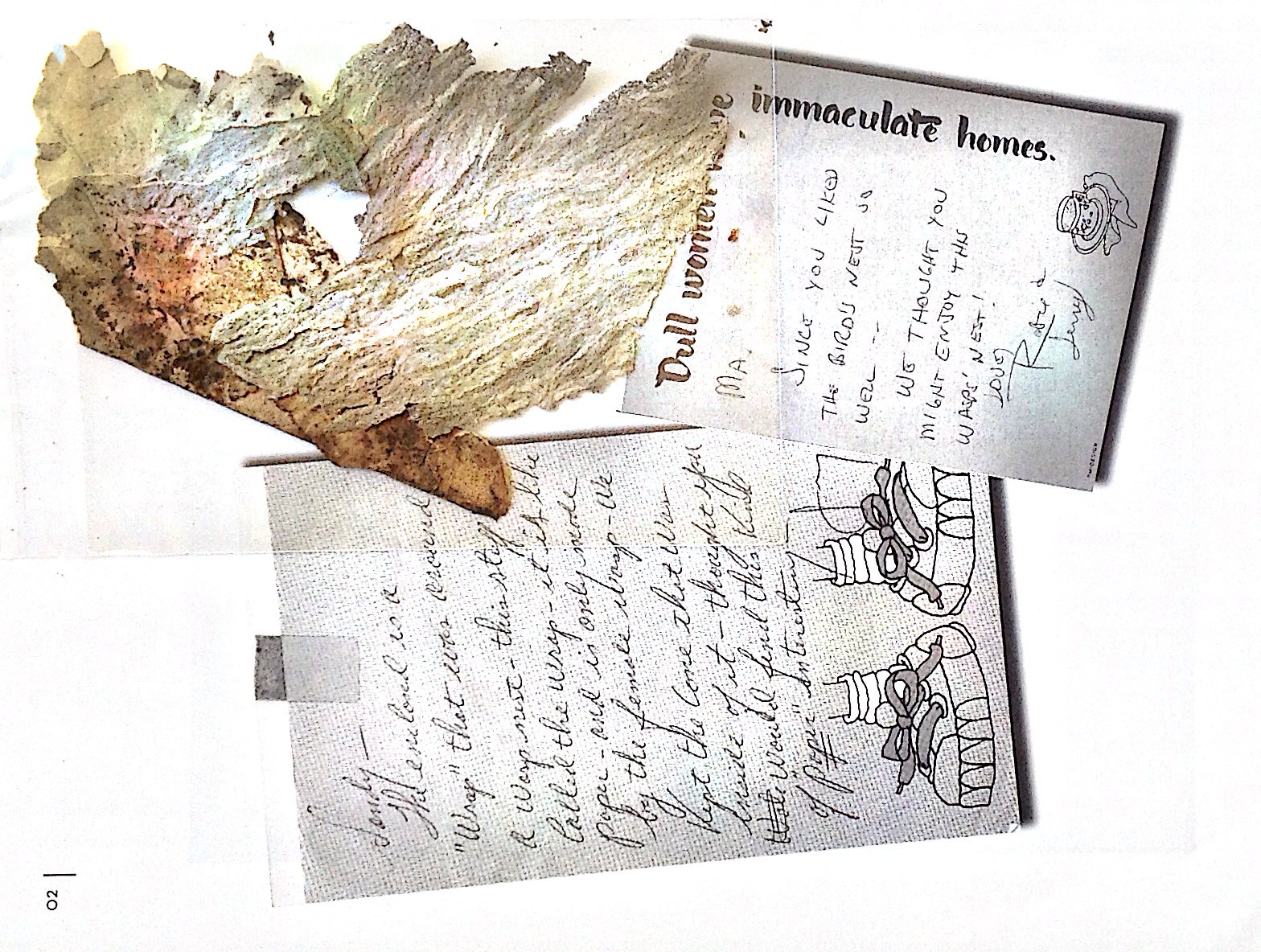
HOLOCAUST #6 • Hands with wasps' nests
You cannot walk through this work neutrally. The three-dimensional figures block your path. The strips hang at eye level. The mold smell enters your body whether you consent or not. This is not contemplation. This is confrontation. This is you, implicated.
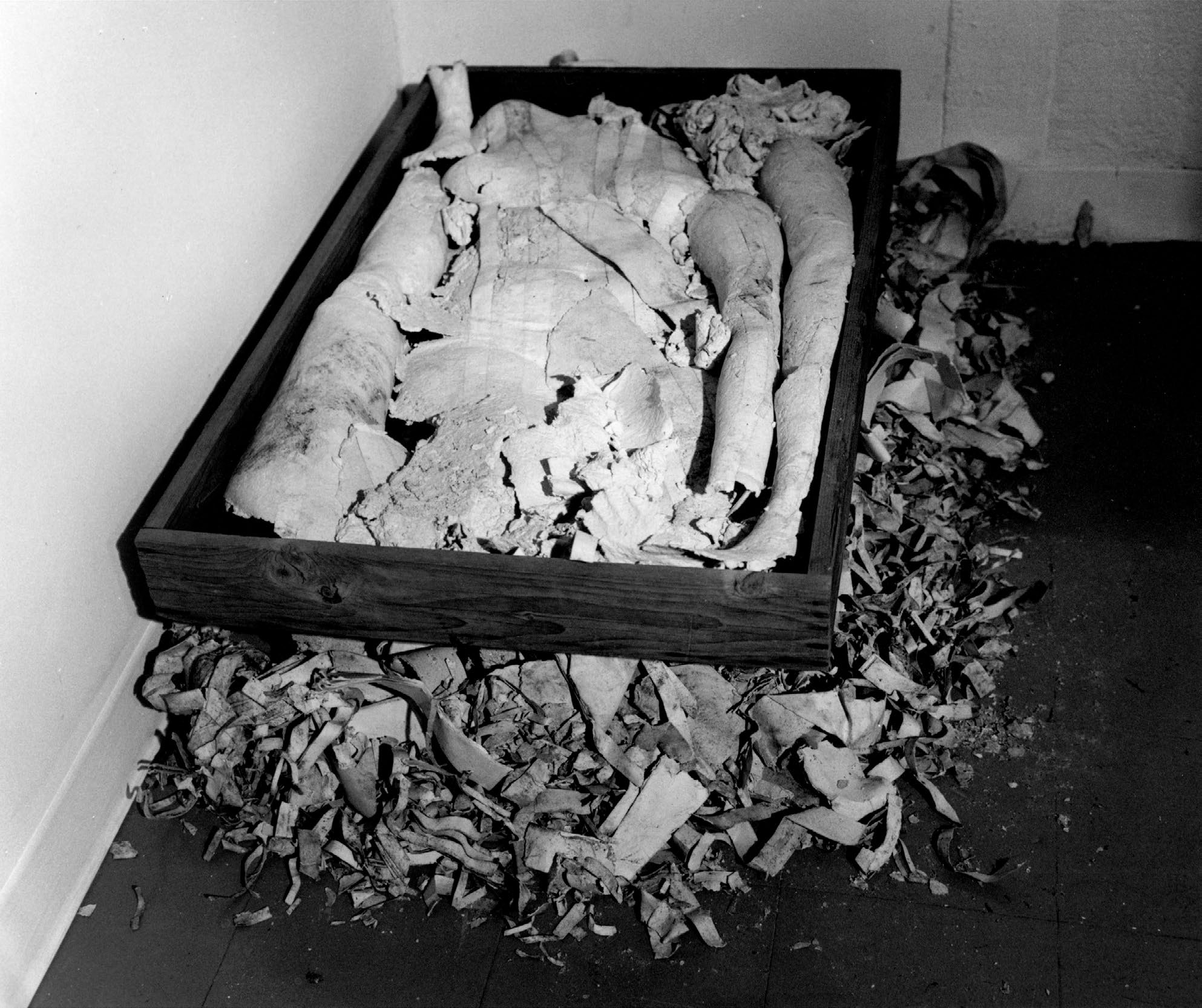
HOLOCAUST #7 • Bundled bodies
Because archives burn. Because paper is what carried the orders. Because paper is what documented the deaths. Because paper is what survivors were reduced to—numbers on paper. Because paper is weak. Because paper tears. Because paper remembers its weakness.
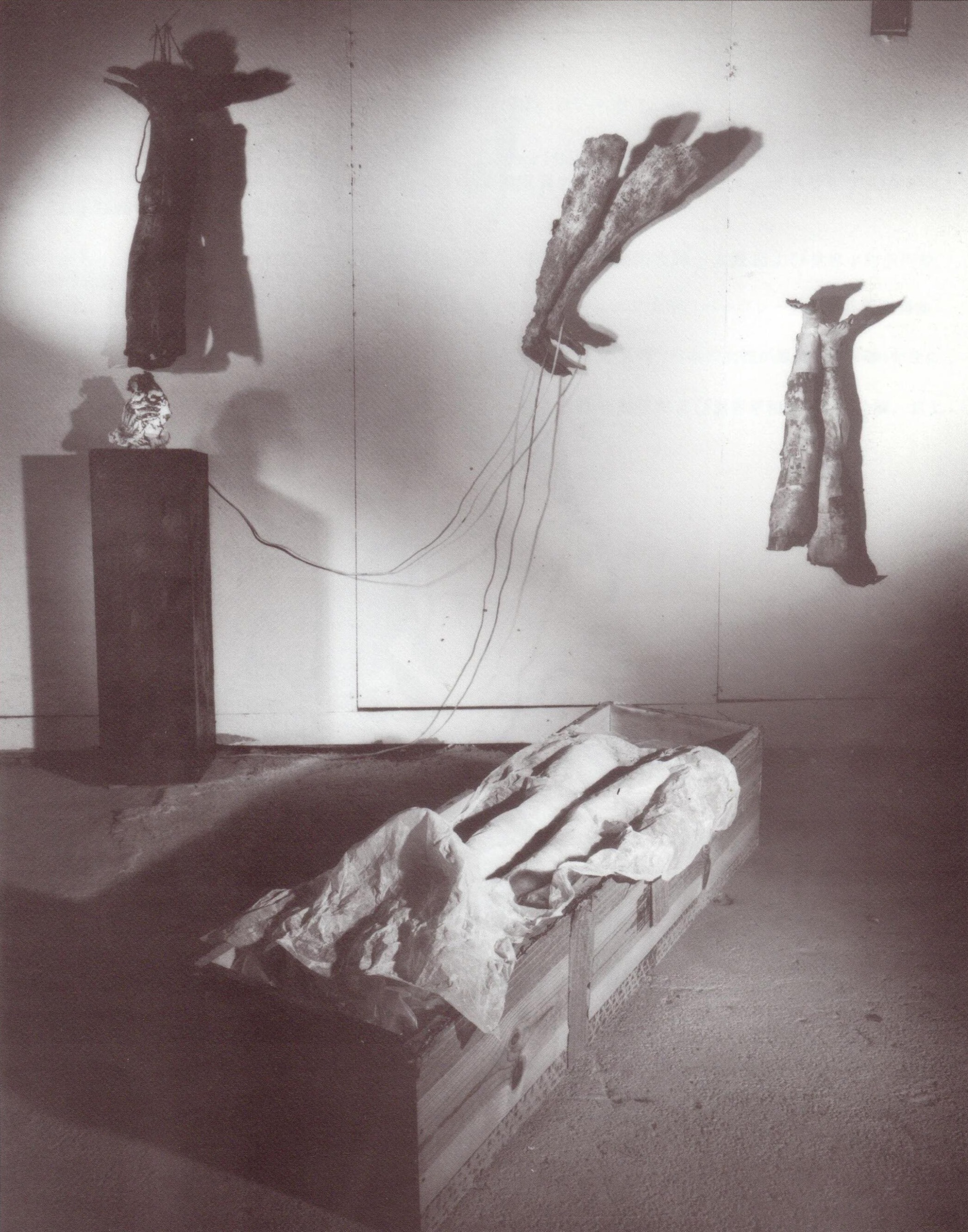
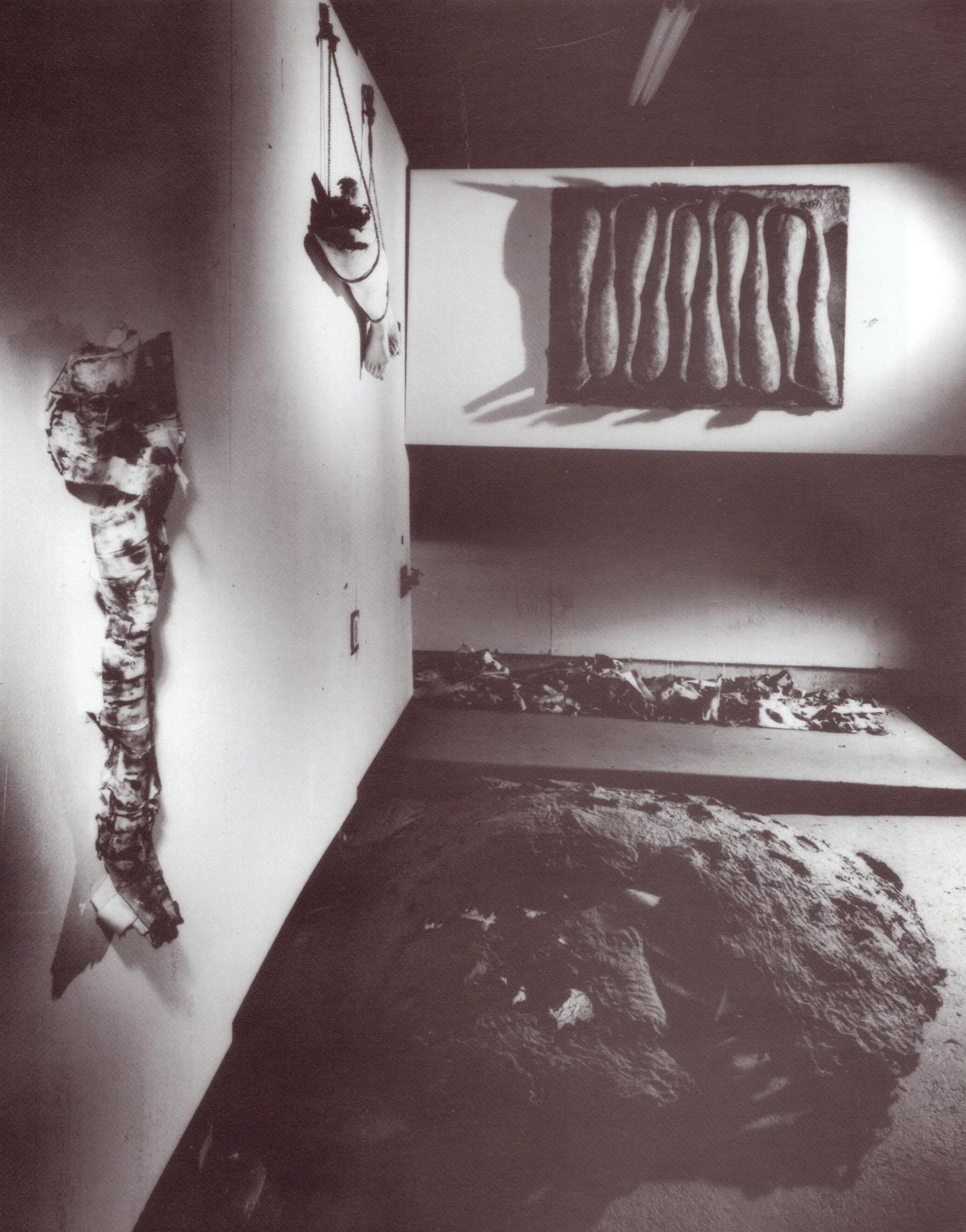
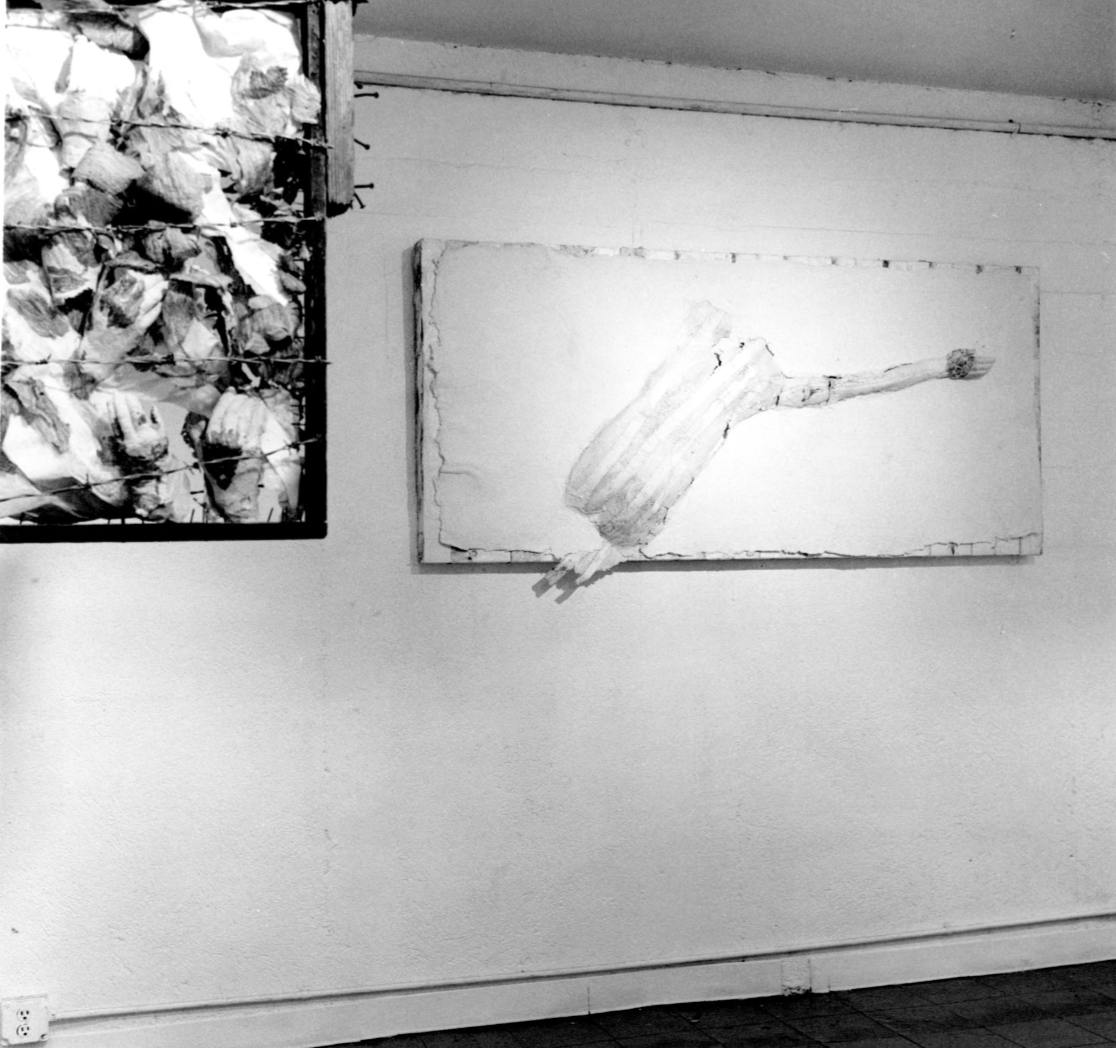
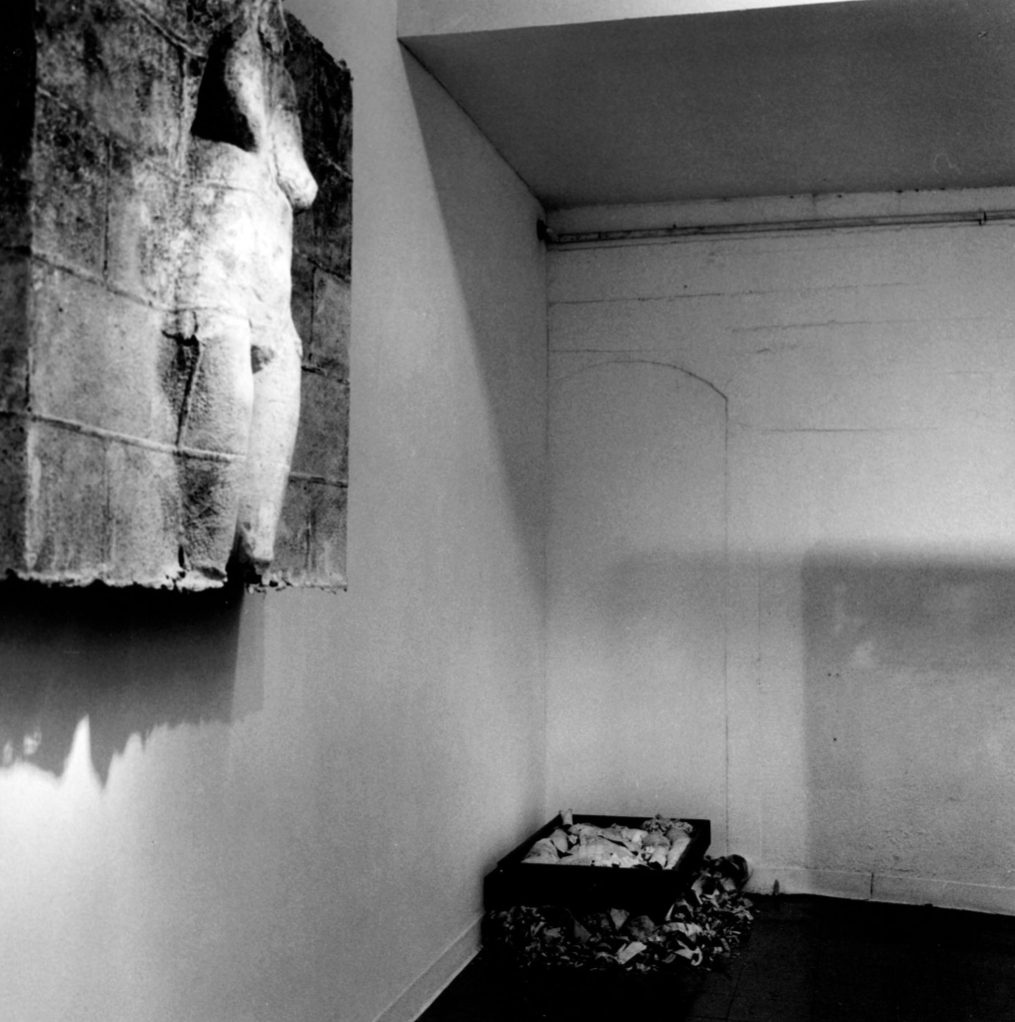
INSTALLATION VIEW • LA Artcore 1996
Bleifer has spent 50 years proving that social activism and studio practice are the same thing. That the Hiroshima/Nagasaki project and the Holocaust project and the environmental work are all ONE WORK. The work is: using fragile materials to prevent powerful systems from forgetting.
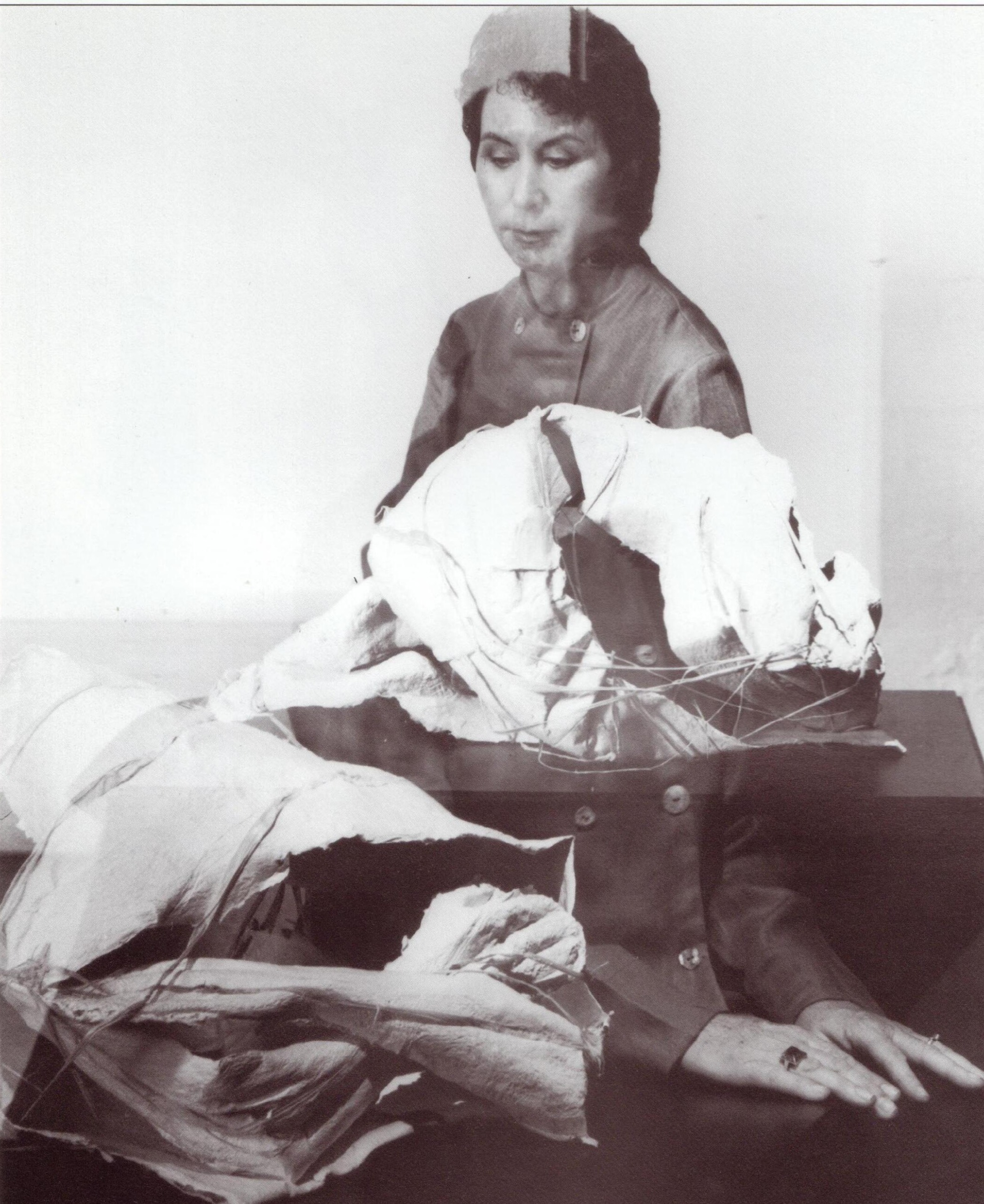
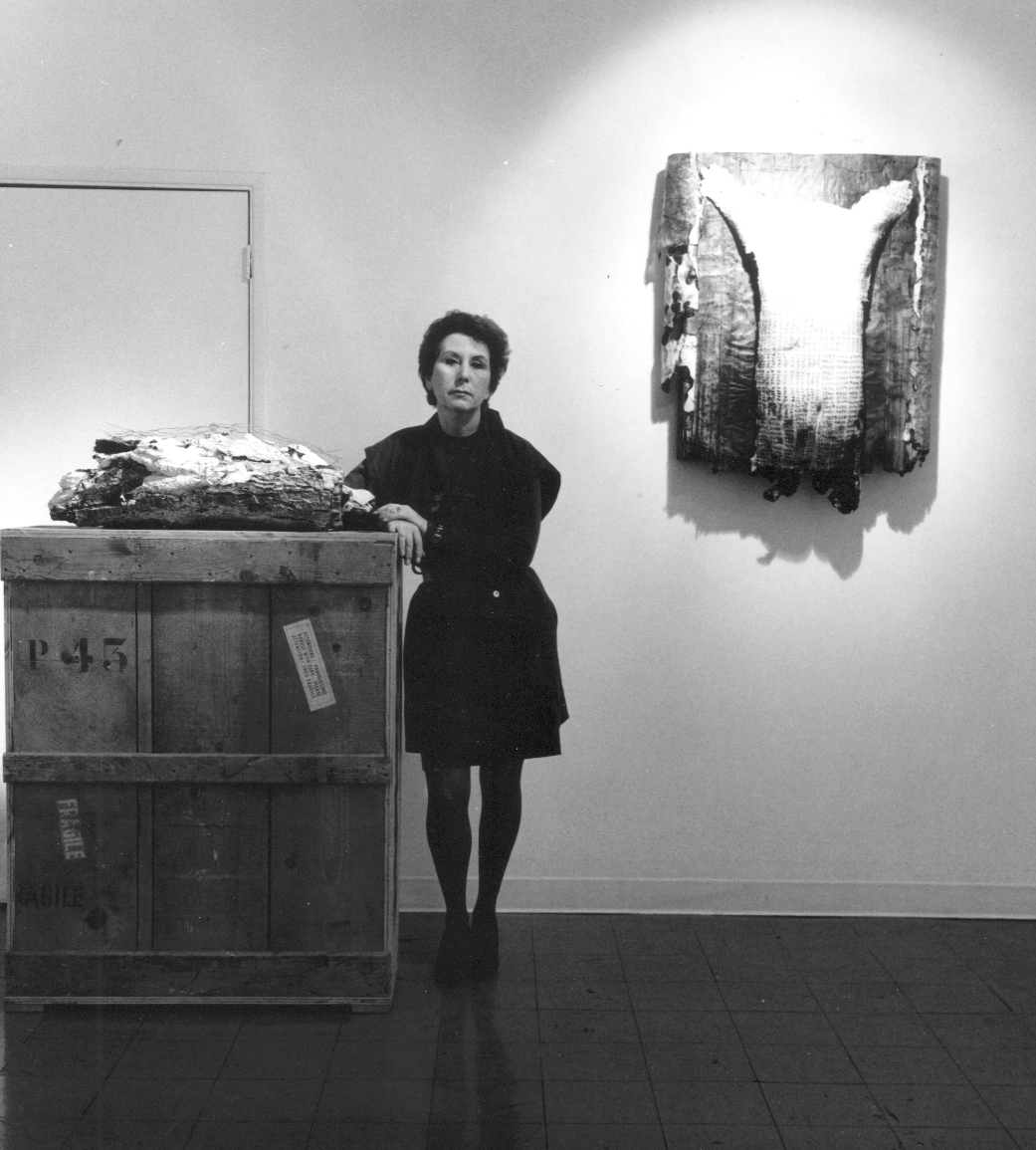
SANDY BLEIFER • With Holocaust Series
It refuses you the comfort of historical distance. It refuses you the satisfaction of moral clarity. It refuses you the exit of aesthetic appreciation. It hands you paper. It hands you the question: What are you building now?
GALLERY CORNER • #1 and #5
The most permanent work she's made is made of the least permanent material. Paper becomes more durable than stone because paper admits it will not last. All dependent on you continuing to look.
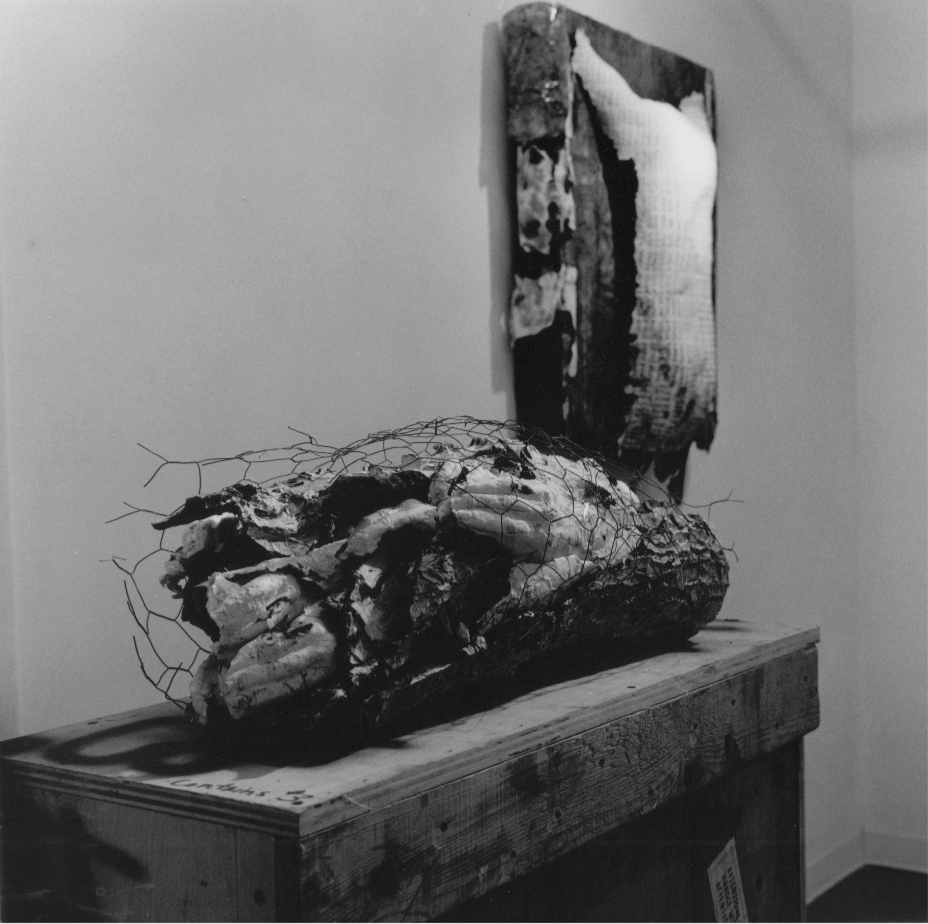
#7 ON CRATE • With #3 on wall
You are reading this now. You are in the future the work addresses. You are being asked: What did you do with this knowledge? How did you bear witness?
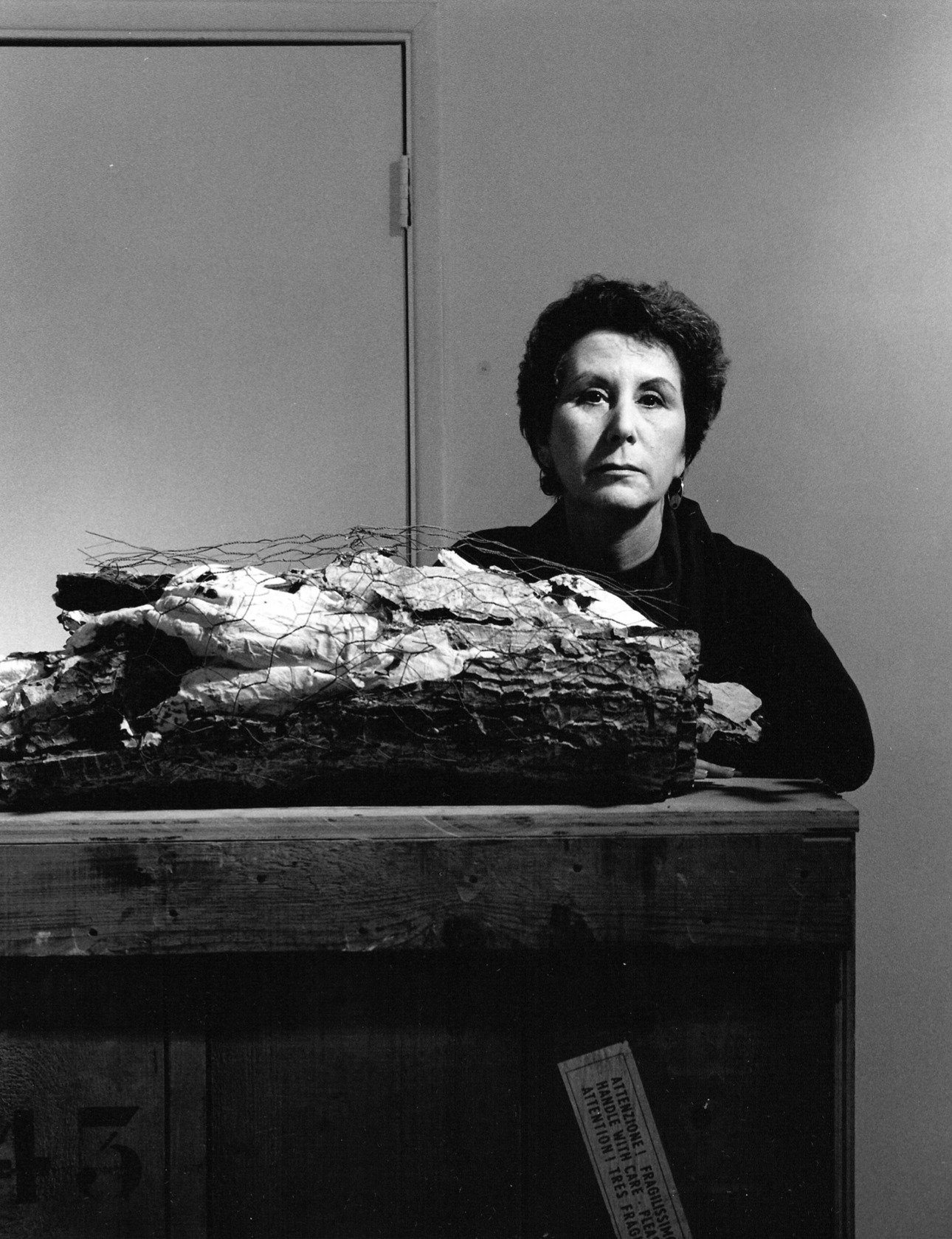
SANDY BLEIFER • With Holocaust #7